
1 in 7 B.C. students now attend independent schools as Canada
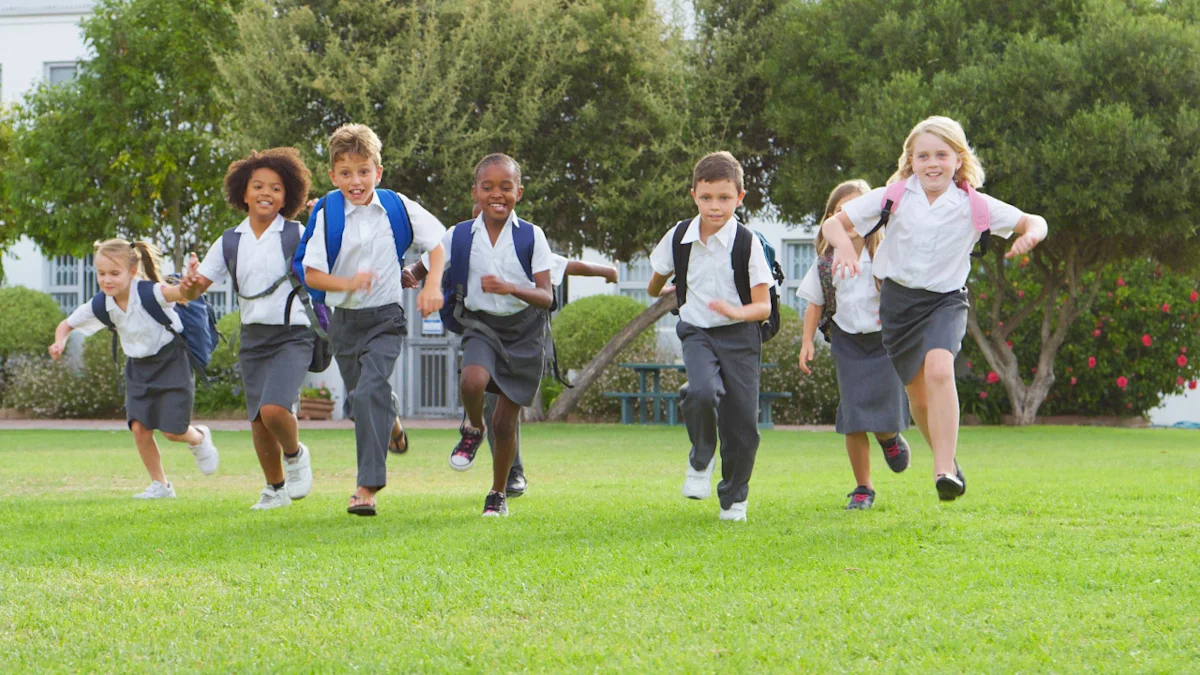
1 in 7 B.C. students now attend independent schools as Canada-wide private enrollment climbs 45%
More Canadian families are choosing independent and private options for their children's education, marking a significant long-term shift away from traditional public school systems.
British Columbia sits at the forefront of the movement. Data highlights that B.C. maintains the highest proportion of independent school enrollment in the country, with between 13.2% and 13.7% of all K-12 students enrolled in non-public institutions. Roughly one in every seven students in the province now attends an independent school.
The trends in Vancouver and surrounding communities reflect a decades-long nationwide movement rather than a temporary spike.
A single line on your car insurance policy could be inflating your premium by up to 30% — here's what to change
Here are 5 'must-haves' that Canadians constantly overpay for. How many of these are sabotaging your budget every single month?
Need to stretch your dollars this month? Copy these 7 shopping habits that are actually saving Canadians money
A national shift toward independent education
Across Canada, independent school enrollment has expanded considerably over the last two decades. According to education enrollment data published by the Fraser Institute, overall enrollment in non-public schools grew by approximately 45% since 2000.
During that same timeframe, public school enrollment across the country experienced a slight decline of about 3.7%.
Nationally, between 7.7% and 8.5% of all Canadian K-12 students are educated outside the public system, with B.C. consistently leading all provinces in adoption rates.
Read More: How financially stable am I? You're doing better than most if you check off just 1 of these 3 boxes
Factors driving B.C. parents to choose alternative options
According to a report by the Vancouver Sun, local parents cite several factors when making the jump to independent education.
Key considerations include smaller class sizes, specialized academic programs, religious or alternative teaching philosophies and perceived stability within non-public systems.
Additionally, B.C.'s provincial funding model for independent schools provides non-public schools with 35% to 50% of the per-student operating grant allocated to local public districts, which helps lower tuition barriers for many families compared to private tuition costs in other provinces.
Classroom conditions and funding strain feed public school attrition
The movement toward independent education comes as public school boards across B.C. battle persistent operating shortfalls and inflationary pressures. Despite increases in provincial per-student operational funding, school districts have faced millions of dollars in budget deficits.
Related Stories
 Canada
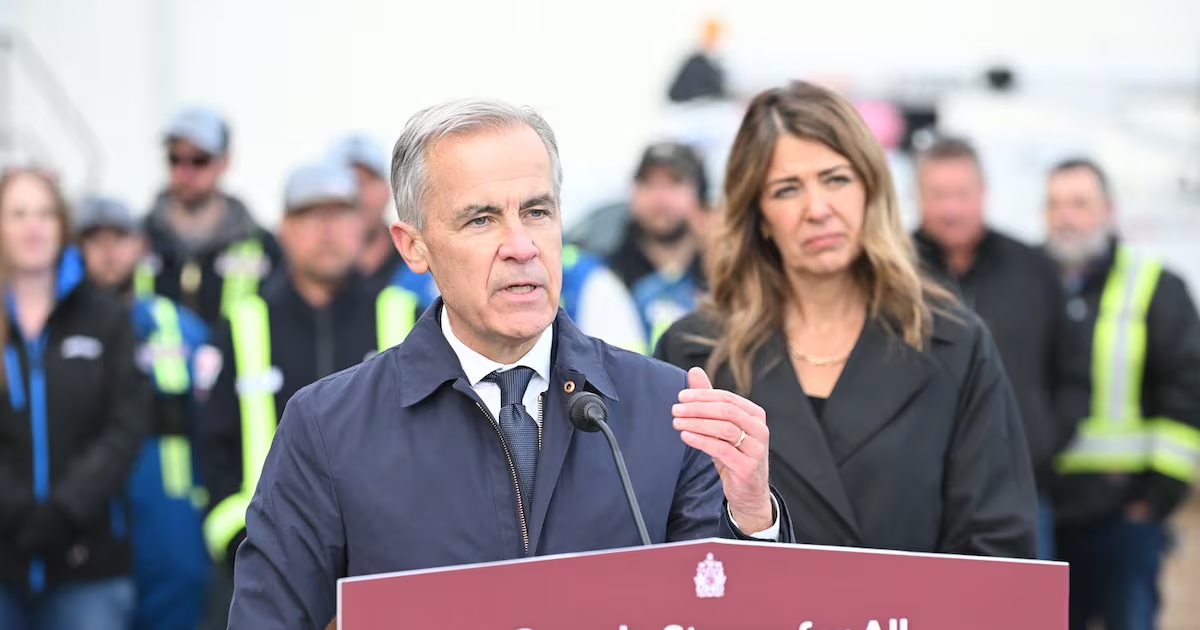
Albertans head to polls in historic referendum on whether they want to stay in Canada
2 weeks ago
 Canada
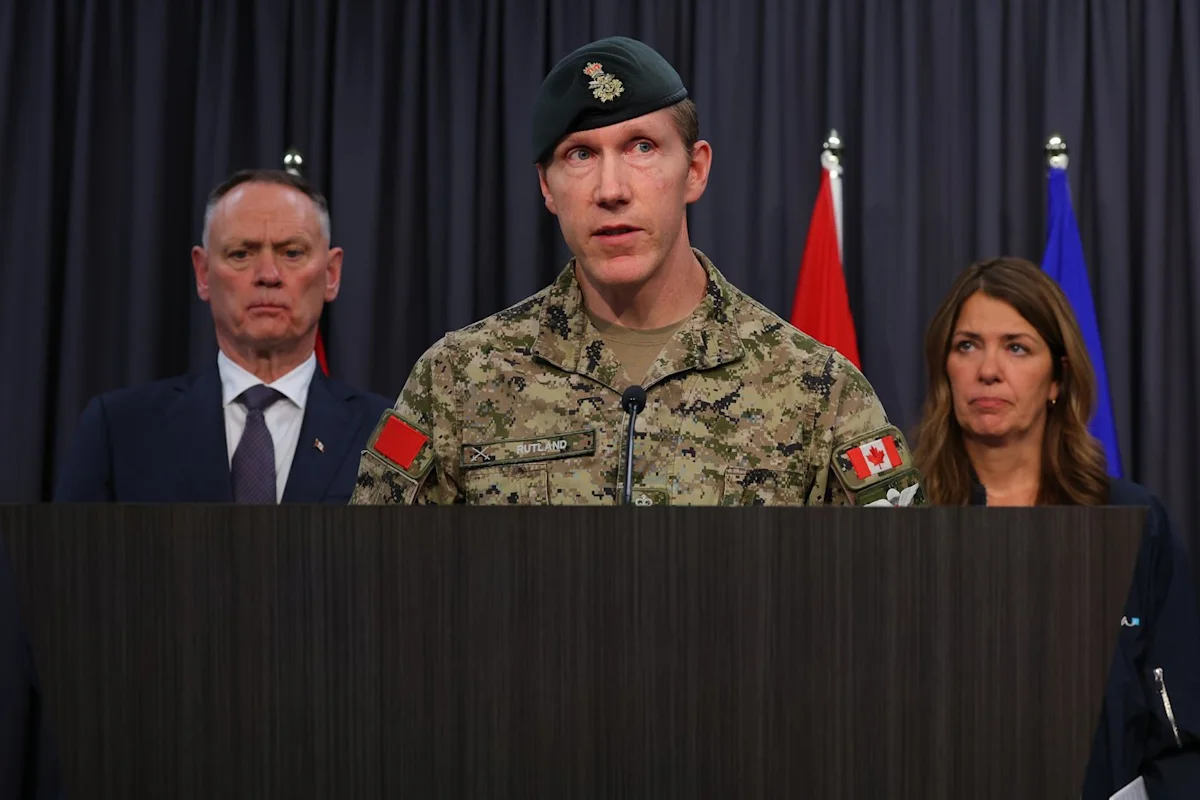
In the news today: four soldiers killed, Alberta referendum, AI privacy fears
2 weeks ago
 Canada
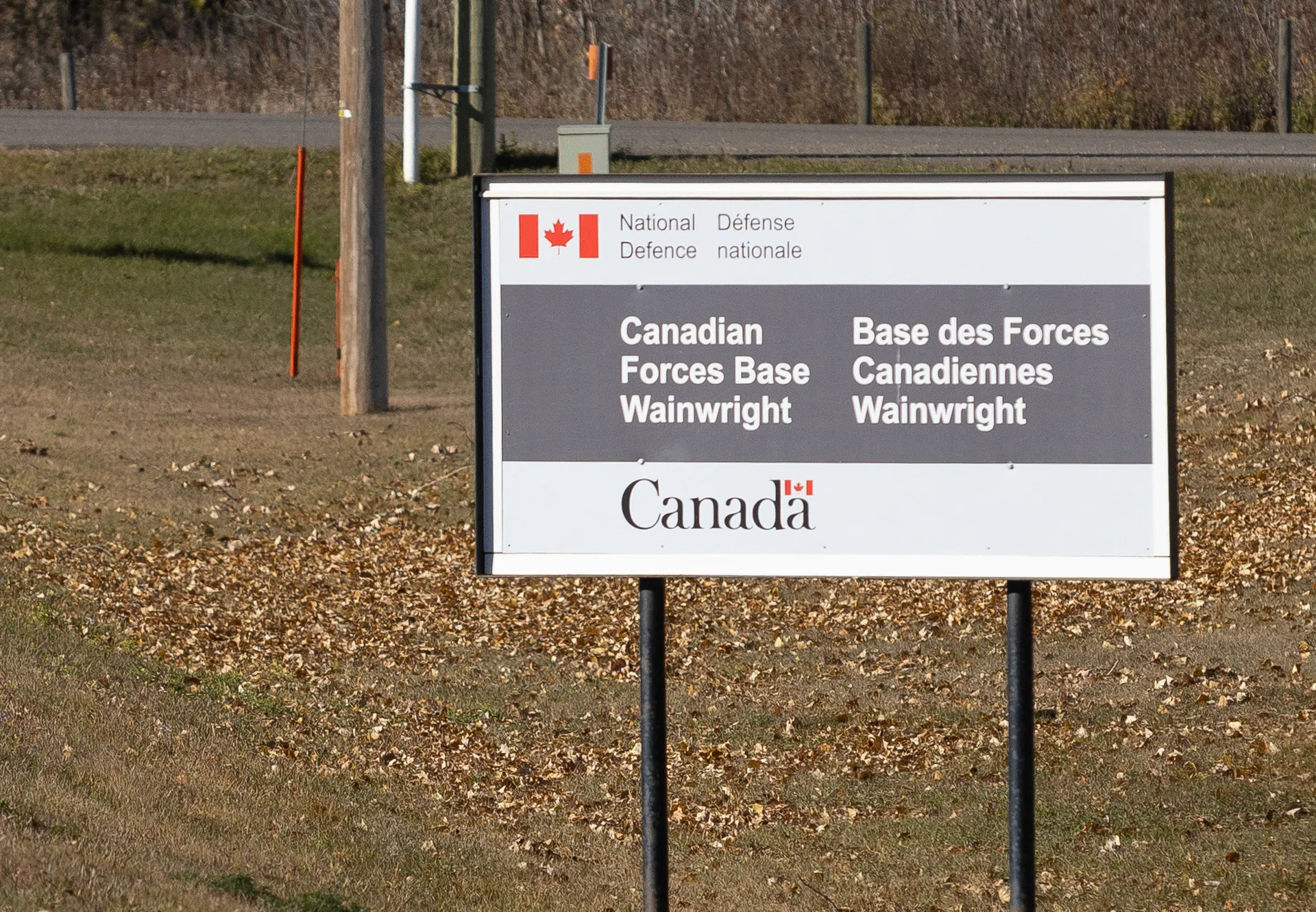
How a grass fire at a Canadian military base killed four soldiers
2 weeks ago
 Canada
How will household electricity rebate reduction, temporary winter pricing change impact Ontarians?
2 weeks ago
 Canada
Residents told to boil tap water due to bacteria
2 weeks ago
 Canada
Oil
2 weeks ago
 Canada
Albertans vote on path to independence as Carney fights to keep Canada united
2 weeks ago
 Canada
Two of 4 soldiers killed in fast
2 weeks ago