
30 Years Of Neglect: AI Exposes The Pentagon's Weaknesses
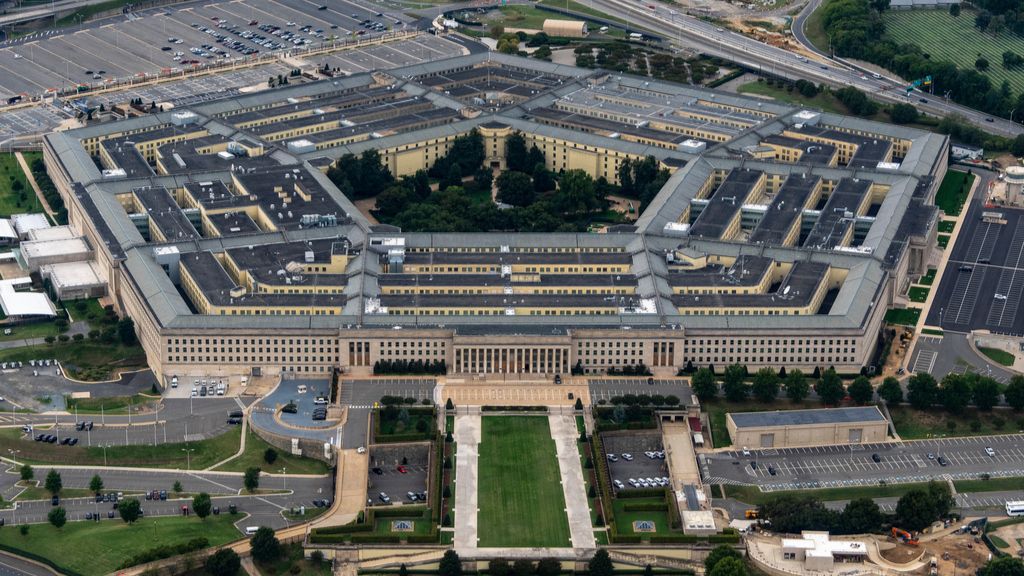
For almost three decades, the Pentagon has postponed upgrading its outdated computer networks, instead focusing its resources on the most advanced weapons systems, according to a report by the Washington Post. Currently, the US Army's Cyber Defense Division estimates that as artificial intelligence becomes more powerful, its ability to detect fundamental vulnerabilities in the Pentagon's digital systems increases.
As a result, the Pentagon could become vulnerable to destructive breaches that could significantly harm US national security.
The Cybersecurity Agency at the Pentagon has predicted a 10X increase in the number of vulnerabilities in the field of cybersecurity, parallel to the development of artificial intelligence. This situation leaves the US Department of Defense’s computer systems exposed to "zero-day" attacks. That includes disruptive cyber intrusions that require immediate intervention to prevent severe damage.
"We have repeatedly postponed the maintenance and care of our systems, thereby putting ourselves in potential danger. This ends now," said Lieutenant General Paul Stanton, commander of the US Army Cyber Defense Command, last week in Washington. These remarks were made against the backdrop of a heated discussion on artificial intelligence in the US capital.
A series of executives and lawmakers have expressed similar concerns regarding the technology. Dario Amodei of Anthropic, Sam Altman of OpenAI, and Elon Musk supported a joint agreement to slow down the development of artificial intelligence.
On the other hand, President Donald Trump dismissed these concerns, calling the fears surrounding artificial intelligence a "hoax" and claiming that "robots will not take over the world." Nevertheless, cybersecurity experts point out that the Pentagon's vulnerability to AI-based cyberattacks poses an urgent threat to the national security apparatus of the United States.
The Pentagon's outdated systems, suffering from years of neglect and a lack of maintenance budgets, will require a long time to repair. In light of the rapid pace of artificial intelligence development, they pose a significant risk of cyberattacks against the defense infrastructure of the United States, the experts added.
Related Stories
 AI News
OpenAI asks California court to dismiss lawsuits over Tumbler Ridge shooting
1 hour ago
 AI News
"ChatGPT, should I break up with my partner?": 28% of Gen Z users turn to AI with personal problems
1 hour ago
For all the talk of clouds, algorithms and artificial intelligence, there is nothing weightless about AI
1 hour ago
 AI News
The king and AI: UK monarch Charles meets artificial intelligence leaders as safety concerns swirl
1 hour ago
 AI News
The Next Frontier Is Not Artificial Intelligence
2 hours ago
 AI News
Anthropic says its model Claude is helping to build the next version of itself
3 hours ago
 AI News
UNSW Leads AI, Big Tech, Human Rights Debate
4 hours ago
 AI News
AI labs are claiming “AGI” is imminent
4 hours ago