
A different industry but the strategy of a startup applies
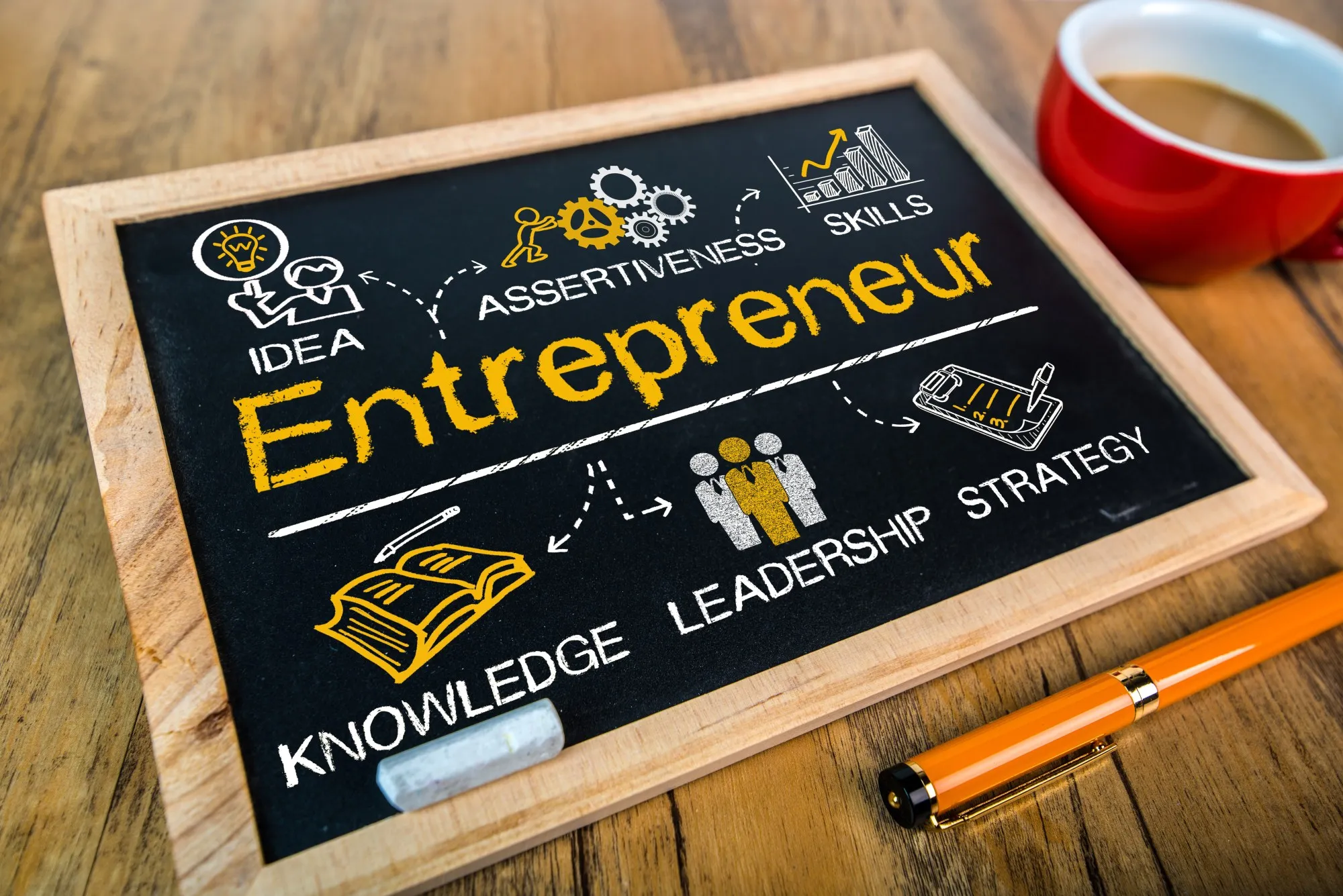
As I indicated a month ago, my bride and I are entering the world of theater, specifically backing a magical knight’s tour. What we have experienced is exactly what every startup goes through.
First, is the idea any good? OK, now that we have taken the magical drug that induces a willing suspension of disbelief, it is time to work on “proof of concept.” The definition from Wikipedia: “Proof of concept, also known as proof of principle, is an inchoate realization of a certain idea or method to demonstrate its feasibility or viability.”
I know that every startup believes in this but immediately after that singular moment, they get confused. They work on the logo, the colors, the name, the domain, the legal structure – every conceivable thing that is not directly related to the actual work of making something that someone might from time to time pay for.
Our little theatrical adventure has experienced this. We had scope creep, we had a deep desire for fees, we had ego, drama, business class airfare, 23 assistant stage managers etc. You think the more people you hire, the more significant your company becomes.
Here is how we chose to manage this situation: We set a financial number we were willing to spend (and expect to lose), and you geniuses need to fit into that box. Or no soup for you. It is surprising and wonderful to see how when there are fixed parameters, a project begins to shed excesses. Startups, take note.
The proof of concept question to solve for is what does it take in the leanest possible, most inexpensive way to make something that can reasonably be assessed for viability. Spend what is required, but not much more.
For now, our theatrical adventure mirrors every deal I have ever done. The creative gang started with grand plans, anticipated scaling before they had anything, worried about the Playbill before there was any show or venue. Proof of concept is a stern taskmaster. It should be embraced with modesty and care. Never with visions of grandeur.
I explained to the theater team the basics of a technology startup. I know you are worth $10,000, but we are going to pay you $5,000 and give you points (options) in the future success, creating skin in the game. To our delight, and it will be true for your deal as well, they all wanted to stay on the team.
You never regret what you did; you always regret what you didn’t.
Now let’s finish up today with a bit of game theory — the mathematical study of how people or computers make decisions “when the best choice for everyone depends on what everyone else chooses.” Game theory works on incentives. Most incentives have money as the underlying principle driving the decision. “Never ask a barber if you need a haircut,” Warren Buffett once said.
Setting up incentives that maximize economic results requires understanding all the players and their motivations. Short-term and long-term. And then clearly guiding them to what is in their best interest – even if they don’t know it.
Consider customer service and client loyalty, often two sides of the same coin. During the massive heat wave, our home air conditioner failed. We have been a customer of company A for 20 years; we call them up, and they can’t send anyone for two weeks. Do you know who I am?
Then in complete despair I call their competitor at 2 p.m. on a Sunday. A woman answers. Must be a bot or an AI agent. No, it is a real person at the office on a Sunday afternoon. Has the world stopped spinning?
She says that she can send someone out in two days. And the new air conditioner was put in one day later. Fair price, great experience. And the company gets a new customer for life. Whatever it cost to have someone answer that phone, they got back 50 times over (air conditioners are expensive).
Game theory works best when you truly understand the motivations of the other side. Consider the famous Yale economist Martin Shubik who auctioned off a dollar bill to the highest bidder and watched as one of his students won the dollar with a bid of $40. A pyrrhic victory at best.
Rule No. 841: Focus on the first stuff first.
Senturia is a serial entrepreneur who invests in startups. Please email ideas to neil@blackbirdv.com.
Related Stories
 Business
Children forced to give up school for work as fighting upends daily life in Yemen
9 minutes ago
 Business
Stripe alums spark new payments plays
13 minutes ago
 Business
VCs fear ‘super complicated, bureaucratic’ rules are putting startup tax breaks at risk
13 minutes ago
 Business
Exclusive: Maritime intelligence startup Quartermaster raises another $140M
13 minutes ago
 Business
Hurricane Polo threatens Mexico's Pacific coast as landfall expected Monday
2 hours ago
 Business
They began in Florida garages, backyards and college. Look at them now
2 hours ago
 Business
Vertical quick commerce moves beyond speed, founders bet on assortment, density for growth
3 hours ago
 Business
AÏZA parent Amaani raises $5M Series A led by BECO to expand beauty brand across the GCC
4 hours ago