
Alberta school division adopts innovative technology to help students’ families access school information

Alberta school division adopts innovative technology to help students’ families access school information
Planning software used by school districts also offers interactive public dashboard
Red Deer Public Schools has launched a data transparency platform designed to make key school information public, and easier to access through charts and graphs.
“It takes a bunch of different information that was able to be accessed in a bunch of different areas and puts it all in one place,” Red Deer Public Schools board chair Nicole Buchanan explained as she spoke about the interactive dashboard being made available to the public for the first time this week.
The dashboard covers the division’s 23 schools and more than 11,000 students. While much of the information already exists in provincial records, Buchanan said the goal is to make it easier for families to understand how schools are operating.
Univerus Baragar Systems’ District Intelligence information-sharing platform, a planning software used by school districts, is available for students’ families — as well as other interested citizens — to access on the Red Deer Public Schools website. It includes charts and graphs on indicators such as literacy, student achievement, class sizes, school finances and education quality.
Buchanan said the dashboard was not launched in response to previous transparency concerns or complaints.
“It was our board recognizing that the best way to be responsive to our constituents ... was to be transparent,” she said. “As a parent myself, when I want information, I don’t want to have to go looking for it in a bunch of different locations.
“This allows families and staff to go to one location and have all of that information easily accessible.”
Similar platforms are already publicly available in several school districts in Ontario and New Brunswick, according to Univerus Baragar Systems.
Jason Curteis, a principal solutions consultant at the company, said the Upper Canada District School Board in Ontario was one of the first school districts in Canada to begin making information publicly available through District Intelligence.
“The school districts have a hard job,” he said. “Oftentimes they are criticized by people who don’t often have enough information.”
Curteis said the dashboard helps people ask better questions instead of reacting emotionally during major school decisions, such as program relocations or changes to school size.
“The trickle-down effect would be better education for kids,” he said.
Red Deer Public Schools said prior to making the dashboard available for students’ parents, District Intelligence was already being used by the school division for internal planning and decision-making.
Darryl Hunter, an education policy professor at the University of Alberta who researches data interpretation, applauds the use of the platform.
“It’s a very good development in education,” he said.
Hunter noted student-teacher ratios were among the most debated issues during last year’s provincial teachers’ strike, and so he believes it makes sense to publicly share more information about the issues schools are dealing with.
He added that for the public, context is key when interpreting such statistical data.
“They’ll focus on one indicator to the exclusion of others. So interpretation becomes very, very important,” Hunter said.
Buchanan said the data does not tell the full story of a school community.
“The information is intended to provide context and insight, not comparison or judgment,” she said in a news release issued on March 3.
“Sending that information out is only a beginning to a larger, longer and more productive discussion amongst the key educational players where they decide how they're going to improve,” Hunter said.
CBC News reached out to Education and Childcare Minister Demetrios Nicolaides to ask whether the provincial government would be interested in seeing similar dashboards be implemented across the province.
In an email response, Nicolaides’ senior press secretary Garrett Koehler said Alberta’s government is committed to transparency and accountability and expects the same from school boards.
“School boards have the autonomy to make decisions that meet local needs, and data-informed decision-making is one way they can accomplish that,” he wrote.
“We have taken a data-informed approach to addressing classroom complexity, investing $143 million to create 476 complexity teams in schools with the highest needs.”
Buchanan said the school data on the website will be updated on a yearly basis, and is even beneficial for her board.
“When we do see those trends and differences amongst different schools, it allows us to be responsive in addressing those concerns and needs,” she said.
Nadeer Hashmi is a reporter for CBC News in Red Deer, Alta. He was formerly a reporter in Yellowknife.
Related Stories
 Canada
Albertans head to polls in historic referendum on whether they want to stay in Canada
1 day ago
 Canada
In the news today: four soldiers killed, Alberta referendum, AI privacy fears
1 day ago
 Canada
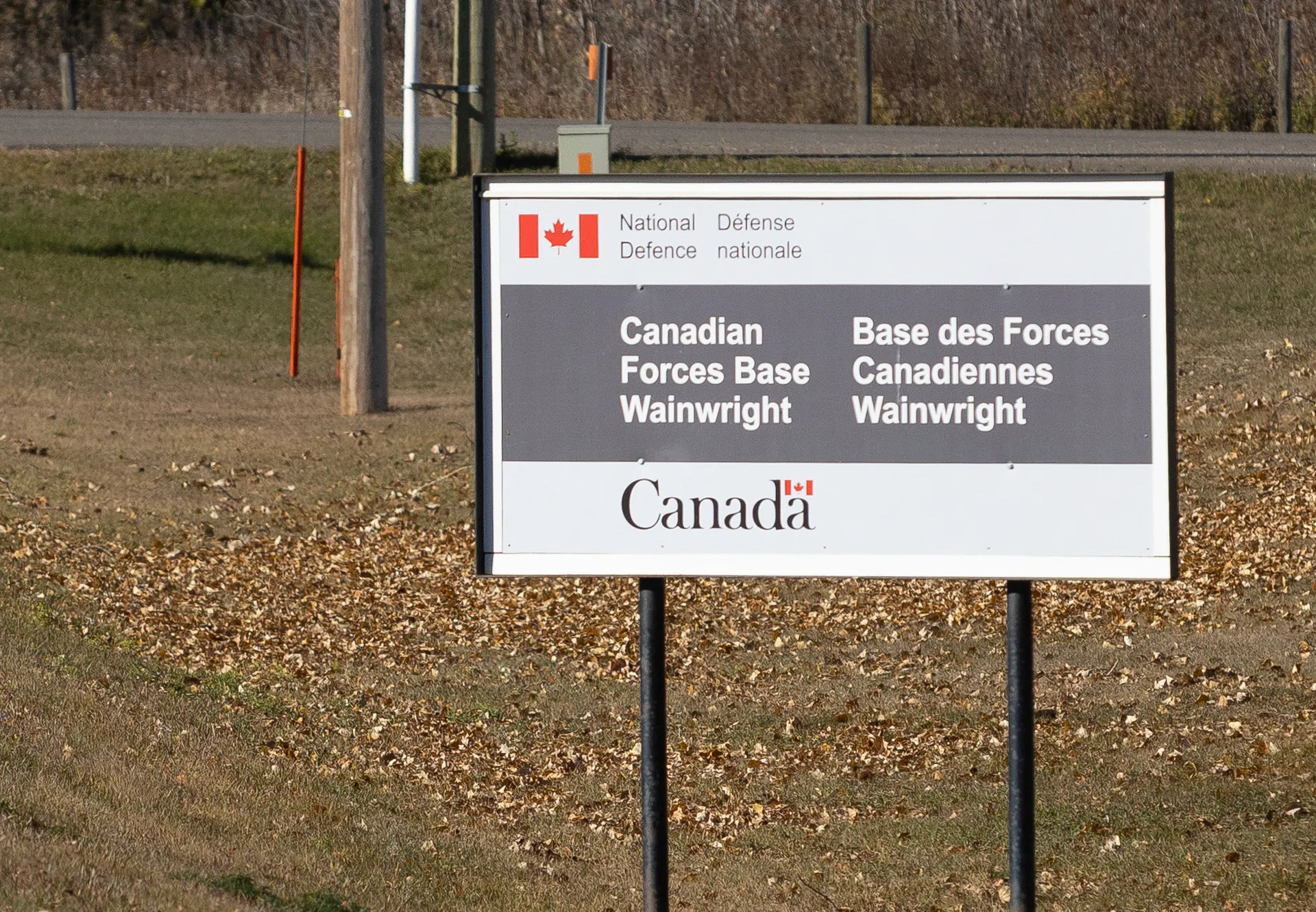
How a grass fire at a Canadian military base killed four soldiers
1 day ago
 Canada
How will household electricity rebate reduction, temporary winter pricing change impact Ontarians?
1 day ago
 Canada
Residents told to boil tap water due to bacteria
1 day ago
 Canada
Oil
1 day ago
 Canada
Albertans vote on path to independence as Carney fights to keep Canada united
1 day ago
 Canada
Two of 4 soldiers killed in fast
1 day ago