
Antimicrobial resistance
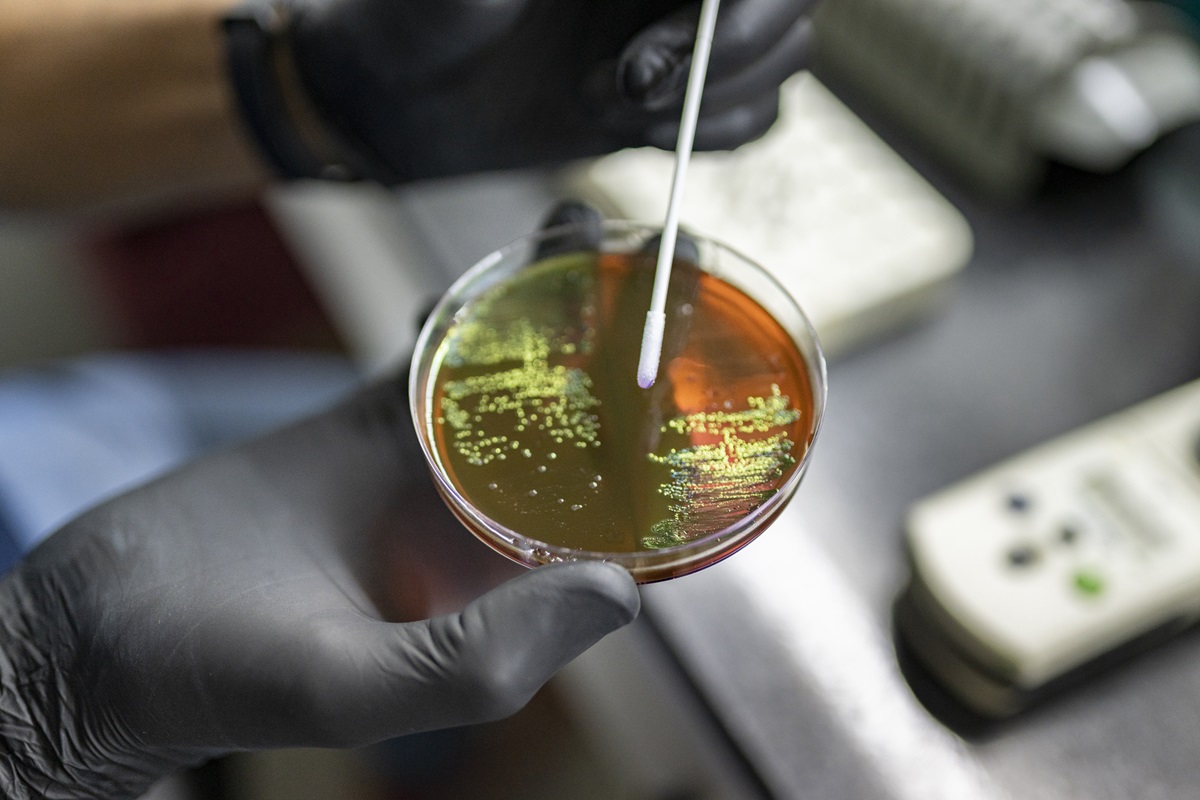
Antimicrobials – including antibiotics, antivirals, antifungals and antiparasitics – are medicines used to prevent and treat infectious diseases in people, animals and plants.
AMR occurs when bacteria, viruses, fungi and parasites do not respond to these medicines. As a result of drug resistance, infections become difficult or impossible to treat, increasing the risk of disease spread, severe illness, disability and death.
AMR affects health, health-care systems and society at large.
Health impacts: AMR is associated with higher morbidity and mortality, and it narrows treatment options for patients with infections. It raises the risk of complications of medical procedures such as surgeries.
Health-care system impacts: AMR drives health-care costs, largely through increased hospital stay and higher need for intensive care. It also increases reliance on second-line antibiotics and additional diagnostic testing.
Societal impacts: AMR disproportionately affects vulnerable populations, reduces human productivity and erodes public trust in medicine. In addition, drug-resistant infections impact the health of animals and plants and reduce productivity in farms, threatening food security.
With the current level of action, total cost to treat resistant bacterial infections alone is predicted to reach US$ 412 billion annually up to 2035, with additional productivity losses of US$ 443 billion per year (2).
Key factors for the emergence and spread of AMR include the inappropriate use of antibiotics; poor access to clean water, sanitation and hygiene (WASH); inadequate infection prevention and control in households, health-care facilities and farms; limited access to vaccines, diagnostics and medicines; and lack of awareness and enforcement of relevant legislation. Too few new antibiotics are being developed to replace those that no longer work, leaving fewer treatment options for people with drug-resistant infections.
AMR affects all countries, regardless of income, and spreads across borders. People living in low-resource settings and vulnerable populations, such as the very young and very old, are especially impacted.
The misuse and overuse of antibiotics, for example taking them when they are not needed or taking the wrong type, remains one of the main drivers of AMR. In 2022, so-called access antibiotics – those recommended as first-choice treatments for most common infections – accounted for only about half (53%) of global human antibiotic use. So-called watch antibiotics, which carry a higher risk of resistance, made up roughly 45% of use and exceeded 70% of total use in nearly one-third of countries. These figures fall short of the global target which calls for at least 70% of antibiotic use to come from the access group by 2030.
One in six laboratory-confirmed bacterial infections causing common infections in people worldwide in 2023 were resistant to antibiotic treatments. Between 2018 and 2023, antibiotic resistance rose in over 40% of the pathogen-antibiotic combinations monitored with an average annual increase of 5–15%. WHO estimates that antibiotic resistance is highest in the WHO South-East Asia and Eastern Mediterranean Regions, where 1 in 3 reported infections were resistant. Resistance is also more common and worsening in places where health systems lack capacity to diagnose or treat bacterial pathogens. Drug-resistant Gram-negative bacteria are becoming more dangerous worldwide, with the greatest burden falling on countries least equipped to respond. Among these, E. coli and K. pneumoniae are the leading drug-resistant Gram-negative bacteria found in bloodstream infections. These are among the most severe bacterial infections that often result in sepsis, organ failure and death.
In gonorrhoea, a sexually transmitted infection, ciprofloxacin resistance is very high (75%), and ceftriaxone resistance – though still low globally – is rising in some regions, threatening the effectiveness of first-choice treatment.
Multidrug-resistant tuberculosis (MDR-TB) is a form of TB caused by bacteria that do not respond to isoniazid and rifampicin, the two most effective first-line TB drugs. MDR-TB is treatable and curable by using other drugs, which tend to be more expensive and toxic. The estimated proportion of people with a first episode of TB who had drug-resistant TB was 3.2% in 2024, while the proportion among those with a previous history of TB treatment was much higher, at 16%.
Fungi can cause a wide range of infections, from candidiasis (thrush) of the mouth or genital area, and ringworm (dermatophytosis) of the skin, hair and nails, to severe and life-threatening infections such as invasive candidiasis or aspergillosis of the lungs. These infections disproportionately impact severely ill patients and those with weakened immune systems, including individuals undergoing cancer chemotherapy, organ transplantation and those living with HIV.
Fungal infections are increasingly difficult to treat due to AMR. The emergence and spread of multi-drug resistant Candidozyma auris (formerly Candida auris), an invasive fungal infection, is of particular concern. Drug-resistant Aspergillus is becoming harder to treat as many strains show resistance to azole antifungals, drugs widely used in both medicine and agriculture.
Over the past decade, the use of antiretroviral therapy (ART) has saved the lives of tens of millions of people living with HIV. However, increased use of HIV medicines has been accompanied by the emergence of HIV drug resistance. HIV drug resistance can lead to increased HIV infections and deaths.
Beyond HIV, antiviral resistance in influenza viruses is a major public health concern and is closely monitored by WHO through global surveillance networks. WHO also recognizes emerging resistance challenges affecting hepatitis B and C treatment programmes.
The emergence of drug-resistant parasites is a major threat to malaria control. Artemisinin-based combination therapies (ACTs) are the recommended first-line treatment for uncomplicated Plasmodium falciparum malaria. Emergence of partial artemisinin resistance makes selecting the right treatment more challenging and requires close monitoring.
The emergence of drug resistance against medicines for neglected tropical diseases (NTDs), such as human African trypanosomiasis and leishmaniasis, is a significant threat to NTD programmes. Resistance has been reported in several key medicines, such as melarsoprol, pentavalent antimonials and miltefosine.
WHO leads global efforts to prevent and control AMR in humans, as part of the Global action plan on antimicrobial resistance (GAP-AMR) 2026–2036. The GAP-AMR aims to preserve the ability to treat human, animal and plant infections by expanding equitable access to and appropriate use of effective antimicrobials and reducing infections through a One Health approach.
By 2030, the plan aims to enable the attainment of the 2024 UN General Assembly target of 10% reduction in bacterial AMR-associated deaths in humans, while also reducing antimicrobial use in agrifood systems, and minimizing environmental pollution from resistant microbes and antimicrobial residues.
WHO works closely with the Food and Agriculture Organization (FAO) of the United Nations, the United Nations Environment Programme (UNEP) and the World Organisation for Animal Health (WOAH), together called the Quadripartite, in a coordinated One Health approach to achieve the goals and objectives of the GAP-AMR.
GAP-AMR is operationalized through national action plans (NAPs), and a separate operational guidance and a monitoring and evaluation framework. The progress of NAPs is monitored through the Tracking AMR Country Self- Assessment Surveys (TrACSS) undertaken annually.
To achieve the GAP-AMR's goal, there are six interconnected strategic objectives:
The GAP-AMR is complemented by the WHO strategic and operational priorities to address drug-resistant bacterial infections in the human health sector, 2025–2035, to strengthen the sector-specific response to AMR.
1. GBD 2021 Antimicrobial Resistance Collaborators. Global burden of bacterial antimicrobial resistance 1990-2021: a systematic analysis with forecasts to 2050. Lancet. 2024 Sep 28;404(10459):1199-1226.
Related Stories
 World
World
Manchester United weigh up stunning move for Real Betis and ex-Tottenham forward Troy Parrott
4 days ago
 World
World
Israeli police arrest 10 following weekend attacks by settlers on journalist and diplomats
4 days ago
 World
World
Trump says suspension of Russia sanctions is to keep peace negotiations going
4 days ago
 World
World
Ukrainian drones strike St. Petersburg oil facilities | NHK WORLD
4 days ago
 World
World
Victoria Falls stadium in Zimbabwe nears completion for CWC27
4 days ago
 World
World
‘The world will be amazed:’ Iran’s commanders prepare for further war
4 days ago
 World
World
Festival opens with musket salute in Sakai, Osaka
4 days ago
 World
World
Trump's new pitch for Republican candidates — they're really good
4 days ago