
Artificial intelligence and the future of African mining
Africa stands at the nexus of geopolitical competition for critical materials that power the energy transition, defense, and digital economies. Combined, Africa holds about one-third of global critical mineral reserves. But it remains burdened by colonial-era geological surveys and infrastructure and exports its bounty largely unprocessed into Chinese-dominated supply chains. Middle powers like the United Arab Emirates (UAE) have emerged as significant players in mining investment on the continent, while the United States and its allies have sharpened their interest in African mineral markets.1Hubert Kinkoh, “The Governance of Natural Resources in Africa and the Role of the Gulf States,” Gulf Research Center, August 2024, https://www.grc.net/single-commentary/183; Moa Ringvall and Gunilla Reischl, “From Oil to Minerals: Gulf States as Middle Powers in the Race for Critical Minerals,” Swedish Institute of International Affairs, February 2026, https://www.ui.se/globalassets/ui.se-eng/publications/ui-publications/2026/ui-brief-no.-2-mar-2026.pdf.
This report highlights artificial intelligence (AI) and big data innovations and their applications for Africa’s mining sector. It argues that AI and digitalization offer African states, the United States, and allied partners a strategic opportunity to move beyond legacy constraints and one-sided partnerships in the mining sector. AI and data applications in Africa could help expedite discovery, reduce drilling time by up to 80 percent (based on projections from global data), and modernize operations, while de-risking investment and supporting policy modeling. AI and data partnerships can potentially advance supply chain transparency, strengthen local capacity across digital and applied sciences, and yield benefits for African communities.
As the United States is a leader in global AI, the US government should leverage its expertise in new technologies, mapping, and big data to develop partnerships with African countries that advance US security objectives while providing long-term dividends and economic development for African nations. These efforts should be pursued as a single, integrated “smart mining” agenda rather than as siloed AI and mining investment tracks, so that these investments in African markets support one another. This report also addresses uneven AI adoption and persisting challenges for African economies in future mining, including supply chain vulnerability to external shocks, infrastructure and governance gaps, and labor and skills needs. A successful AI and digitalization transition for African mining will involve concerted efforts to encourage targeted capital in exploration and infrastructure development, US–Africa partnerships with cross-disciplinary staffing and expertise, and the integration of local African expertise across mining ventures.
The Atlantic Council Critical Minerals Task Force is grateful to Aiteo, Rawbank, KoBold Metals, Rio Tinto, and Managem for their support of the task force’s work, including this report. This report was written and published in accordance with the Atlantic Council’s policy on intellectual independence, which requires all donors to agree to the council maintaining independent control of the content and conclusions of its work. The authors are solely responsible for its analysis and recommendations.
Anthony Carroll, esquire, is an international affairs consultant with five decades of experience as an investor, philanthropist, and thought leader in Africa. He is a co-founder and executive board member of Mining Indaba and also serves on the board of ReElement Technologies. He has held fellowships with the Center for Strategic and International Studies and the Carnegie Endowment for International Peace, and served as an adjunct professor of African Studies at the Johns Hopkins University School of Advanced International Studies. He also served in the Peace Corps in Botswana.
Jef Karel Caers, PhD, is professor of Earth and planetary sciences at Stanford University. His research focuses on decision-making under uncertainty, critical mineral supply chains, and the transition to renewable energy. He has published in journals covering mathematics, statistics, Earth sciences, engineering, and computer science. He is the founder of Mineral-X, a community-building effort developing technological innovations and new pathways in the mineral supply chain, from upstream exploration to processing. Mineral-X is funded in part by KoBold Metals, Ideon, Fleet Space, and Xcalibur Smart Mapping, all of which are mentioned in the report.
The authors thank Archibald Henry, independent expert on African affairs, and David Zhen Yin, co-founder of Stanford Mineral-X, for research support and contributions to the report.
As investors race to secure access to Africa’s supplies of critical minerals, African nations should invest some of the proceeds in sovereign wealth funds that can manage mineral revenue transparently, protect African economies from price volatility, and secure the benefits of finite resources in a sustainable way.
By Connor Gregory, Ciara M. Weets, and Rebecca Katz
Africa is central to the global push for cleaner energy, including the continent’s stocks of critical minerals that power green-energy technologies. But a race to extract more minerals poses public health risks, from the occupational hazards miners suffer to new disease outbreaks in mining camps. There’s a better course for investors and African governments.
With the DFC’s reauthorization this year, Congress and the Trump administration have an opportunity to refine the tools, deepen partnerships, and expand expertise in order to make the investments at the scale and with the flexibility needed to strengthen US national security and enhance global competitiveness.
The Africa Center works to promote dynamic geopolitical partnerships with African states and to redirect US and European policy priorities toward strengthening security and bolstering economic growth and prosperity on the continent.
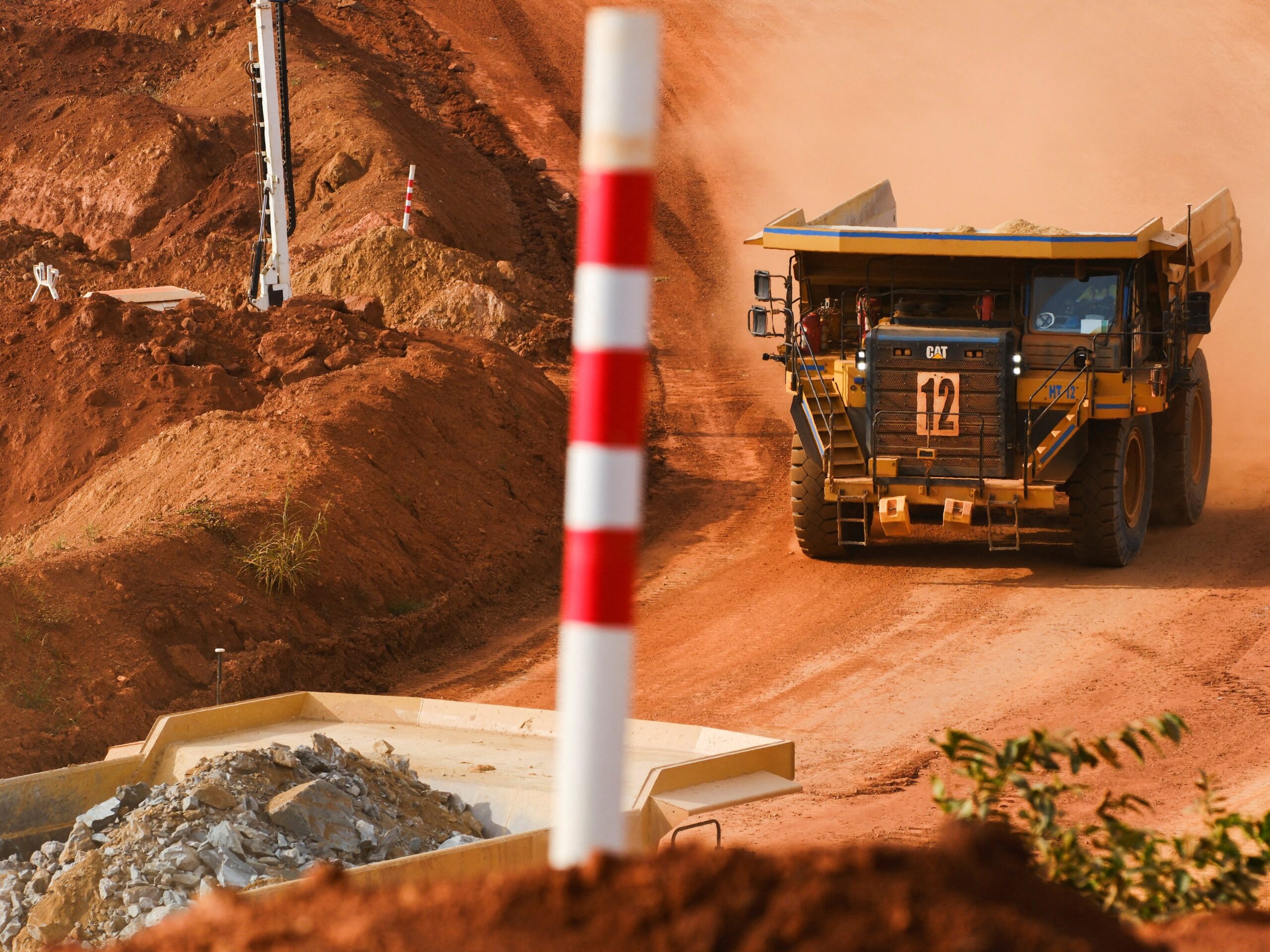
Image: A dump truck is seen at a mining pit as commercial gold production begins at the Newmont Ghana Gold Limited, Ahafo North Mine, in Afrisipakrom community in the Ahafo Region, Ghana. October 29, 2025. REUTERS/Francis Kokoroko
Related Stories
 AI News
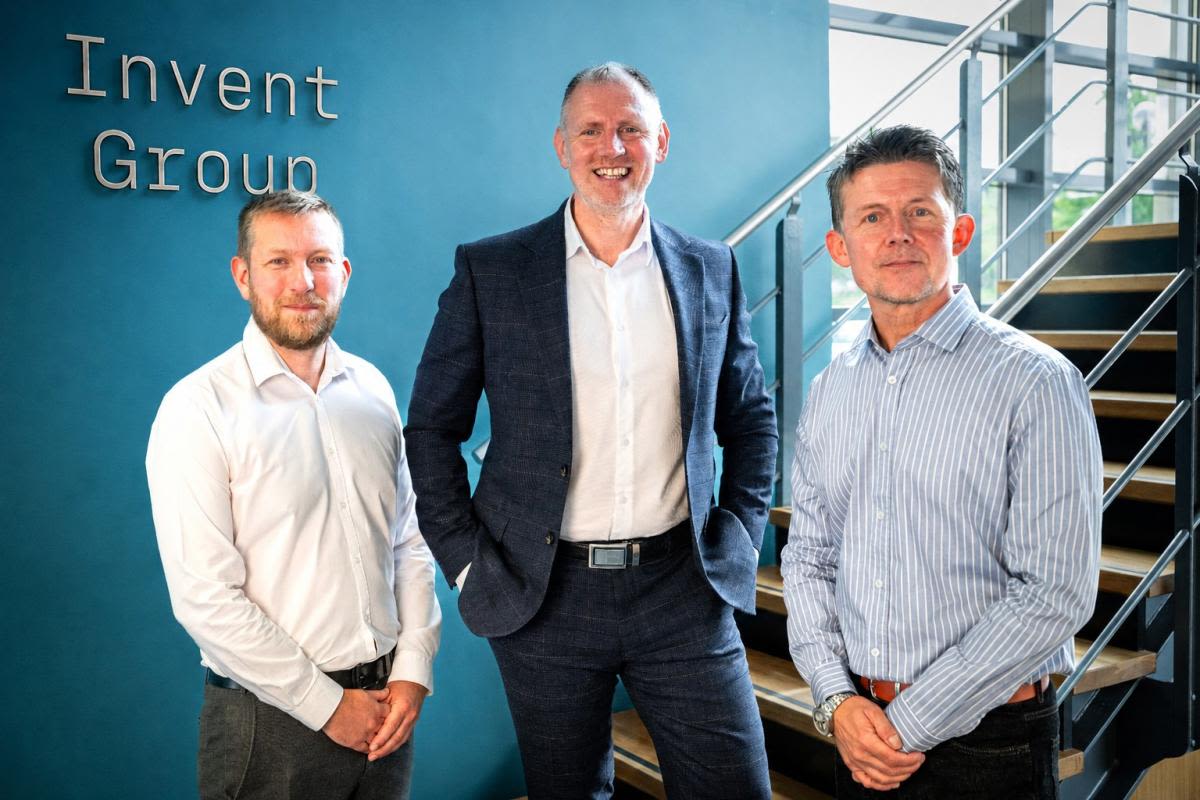
New Durham firm Invent Group targets growth in artificial intelligence market
20 minutes ago
 AI News
Emirati women help shape the future through artificial intelligence
1 hour ago
 AI News
24_Che_RR_IIT Madras professor Ravindran is appointed to UN panel on artificial intelligence
3 hours ago
 AI News
Frequently asked questions: Artificial Intelligence (AI) in the military domain
5 hours ago
 AI News
Alarming AI ads are flooding social media in the lead
7 hours ago
 AI News
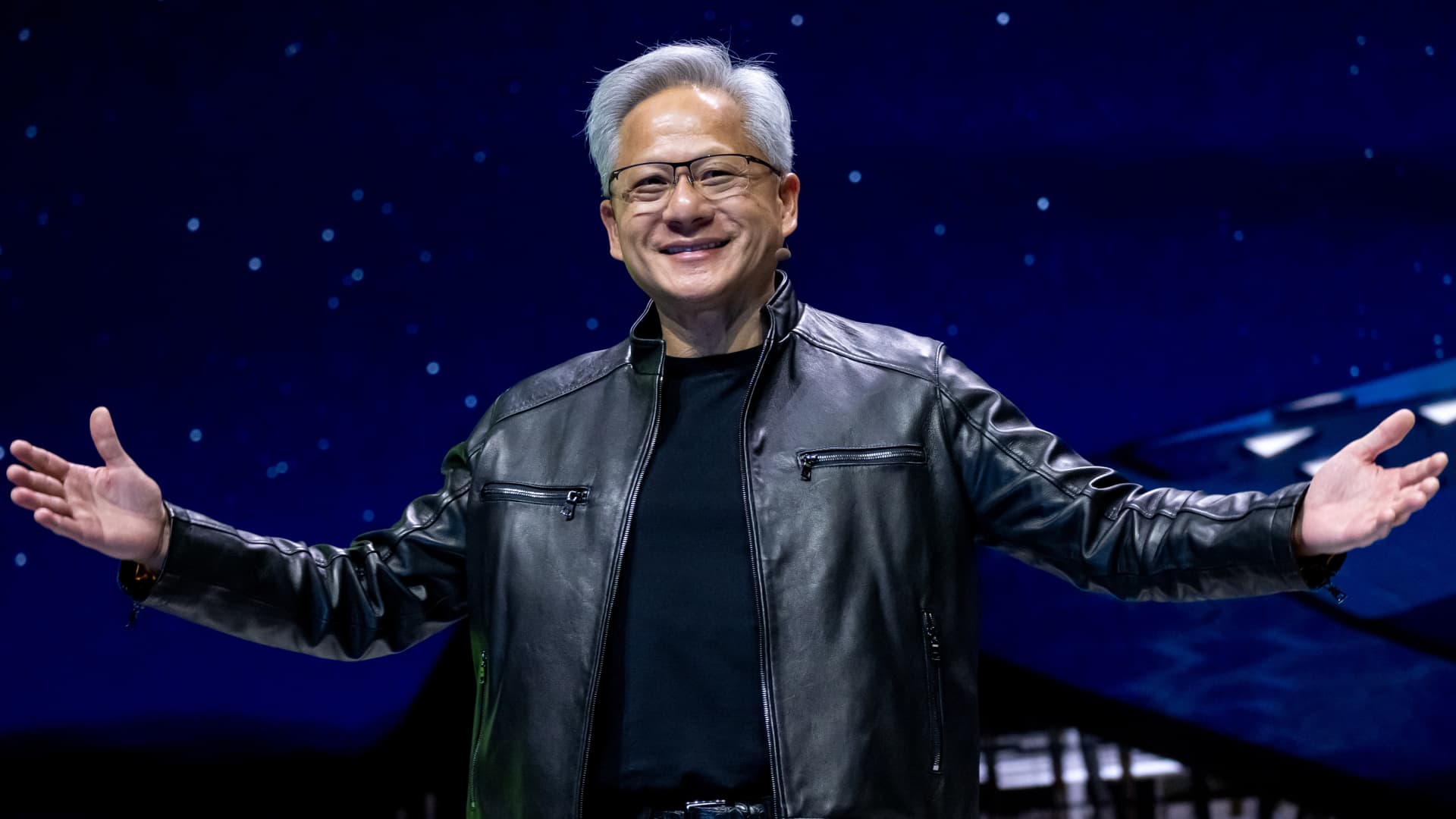
Nvidia's investments grow to $99 billion as chip giant becomes major backer of AI companies
9 hours ago
 AI News
Quebec courts say generative AI cannot replace judges' reasoning
9 hours ago
 AI News
People Are Telling Their Darkest Thoughts to AI Without Realizing They Can Easily Become Public
11 hours ago