
Berlin-based mika raises €6 million to scale its AI-native alternative to traditional tax firms
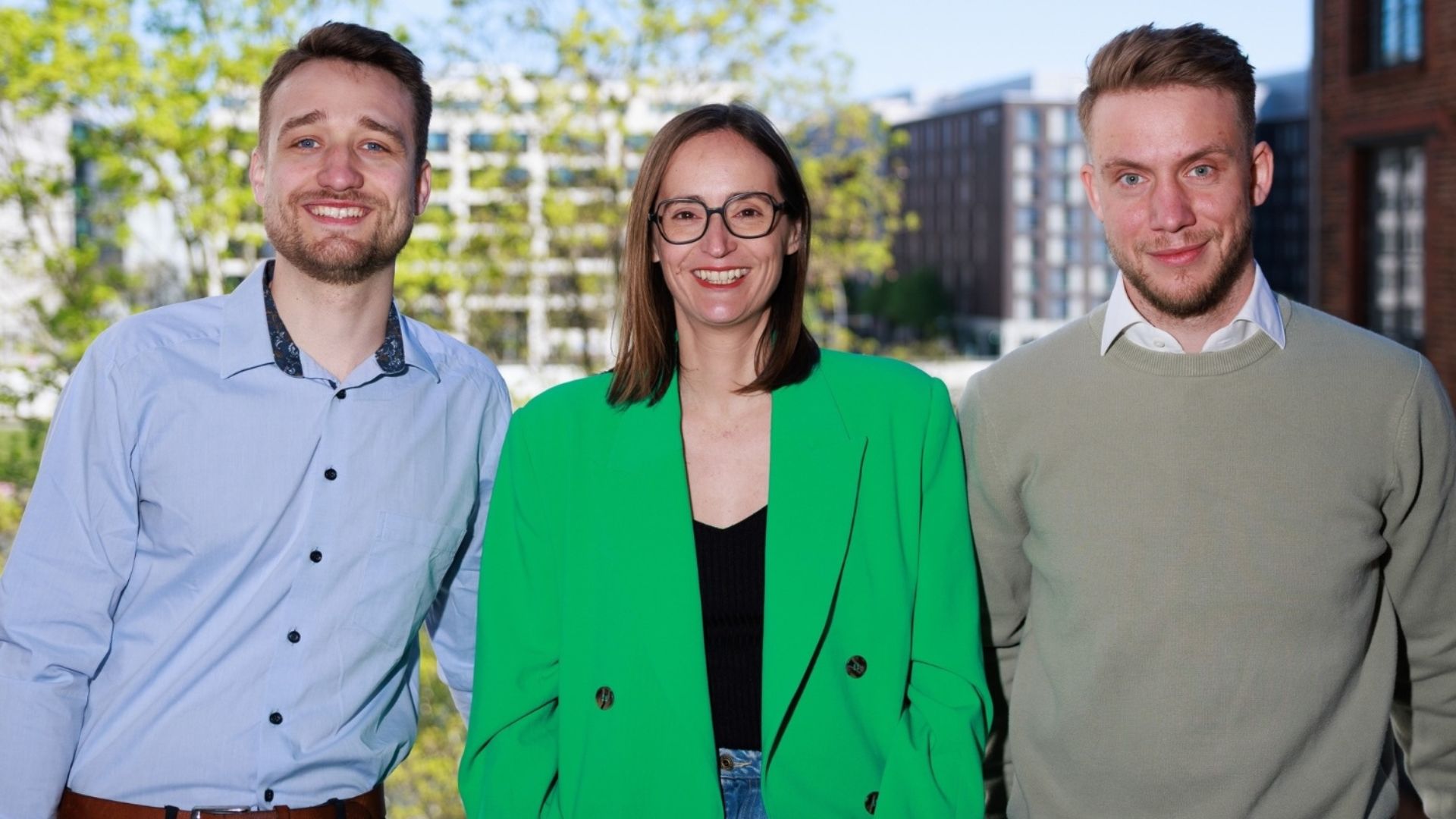
mika, a Berlin-based vertical AI startup building an AI-native alternative to the traditional tax firm for Germany’s small limited companies (GmbHs and UGs), has raised €6 million in a Seed funding round to support growth and the further development of the platform.
The round was led by Smedvig Ventures, with participation from the Basel-based family office Wecken & Cie. (Care4 AG), alongside Dennis Bemmann and Michael Brehm (co-founders of studiVZ), Johannes Ditterich (limango founder), and Martina Pfeifer (encourageventures). Additionally, existing investors Keen Venture Partners and Dutch Founders Fund increased their stakes. In 2024, the company secured €800k in pre-Seed funding, led by Samen Slimmer, an alliance comprising Keen Venture Partners, DFF, and Slimmer AI.
Freddie Kalfayan, Principal at Smedvig Ventures, said, “Nowhere else in Europe is accounting and tax as demanding or costly for small businesses as in Germany, where the two are so tightly linked that a single mistake carries straight through to the tax bill. It is the reason big international players never gained a foothold here, and why SMEs were left with no real alternative. mika is the first to build for this reality instead of around it, and its customers demonstrate some of the strongest enthusiasm we have seen across our portfolio.”
mika was founded in 2022 and experienced a realignment under new management in 2024. The company is led by Agnieszka Walorska (founder and CEO), together with Luke Linnekuhle (CFO) and Henry Müssemann (CTO).
The company states that, rather than digitalising the traditional tax firm, it rebuilds accounting, tax and finance from the ground up as an AI-native financial operating system for SMEs. For small limited companies (GmbHs and UGs), mika manages ongoing bookkeeping, VAT returns, annual accounts and tax filings.
The company highlighted that bookkeeping, VAT returns, and annual accounts are legal requirements for every GmbH (Gesellschaft mit beschränkter Haftung, which means a private limited company) and its mini version, the UG (Unternehmergesellschaft), and that a wrong entry can trigger back taxes or penalties, and the rules are scattered across tax codes that change on a yearly basis.
In order to tackle this, almost every small company hands its bookkeeping and filings over to a tax adviser or firm. However, mika argues that not every business can afford this expense.
“The moment you start a GmbH in Germany, you’re told you need a tax adviser. It goes so far that some founders think it’s a legal requirement. To me, it’s obvious that this cannot be how it works. At mika, we use AI to tear down that barrier, so that your bank balance or the family you were born into no longer decides who gets to start a company,” said Walorska.
Behind mika is its own AI-native general ledger, purpose-made for German accounting. The AI reads and understands receipts and payments. Depending on the task, different AI models come into play, embedded in the domain knowledge and rules mika has developed itself.
The company notes that its AI categorises every transaction, records it and explains to users what each entry means, usually without any human intervention. However, trained in-house accountants check the results and step in wherever the complexity calls for a human.
The German startup claims that it also offers something a tax firm cannot. It allows its users to talk to their own numbers, either inside mika or through a standard AI interface, the Model Context Protocol (MCP), in assistants such as ChatGPT or Claude.
It also handles the small stuff too: users can upload a baffling letter from the tax office, and it’s explained on the spot, along with what to do next. It also answers questions about the user’s own accounts and finances. However, individual tax advice is not yet included in the offering. For that, mika relies on licensed tax advisers in its network.
According to the company, at the start of the year, around 400 GmbHs and UGs used mika; currently, there are more than 750. It began with digital-first service businesses such as agencies and consultancies. Its customers now also come from Software-as-a-Service (SaaS), property and e-commerce, with retail and the skilled trades the most recent to join.
mika reported that its revenue has climbed by more than 20 per cent every month, and in July 2026 it passed €1 million in annual revenue.
Related Stories
 AI News
As AI agents grow more autonomous, India faces a safety
7 minutes ago
 AI News
TD Bank announces $25M collaboration with Cohere to facilitate AI adoption
8 minutes ago
 AI News
Atrocity Alert No. 495: Artificial Intelligence and Climate Change
8 minutes ago
 AI News
Intact aims to boost growth with accelerated artificial intelligence deployment
8 minutes ago
 AI News
Ema raises $77M as AI starts eating into enterprise software and services
1 hour ago
 AI News
Legal AI startup Spellbook hired a new CMO
1 hour ago
 AI News
OpenAI gives cyber defence tools to Ukraine
1 hour ago
 AI News
Max Planck Stanford Centre to be established - Max
1 hour ago