
Calgary family shocked to discover their daughter, with severe brain injury, is being moved off AISH
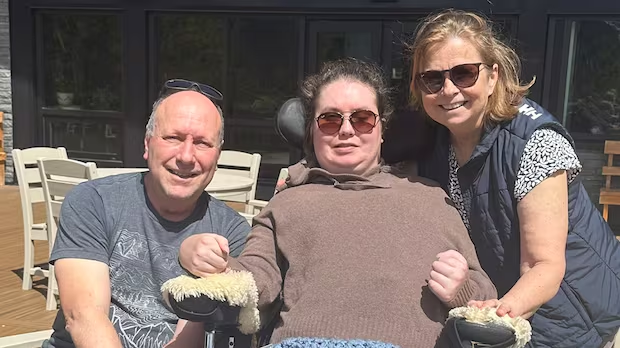
Calgary family shocked to discover their daughter, with severe brain injury, is being moved off AISH
Government says 46,000 Albertans will automatically move to new disability support program in July
A Calgary father says his family is facing the traumatizing prospect of having to prove, once again, that his severely disabled daughter is unable to work after being notified she is being moved off a key provincial support program.
Kevin Strange’s daughter, Aisha Strange, suffered a severe traumatic brain injury when she was hit by an impaired driver in 2019 while on her way to work at a summer camp for children with special needs.
“We’re reminded every single day of what’s been lost,” said Kevin.
Aisha, who was a University of Victoria student with her sights set on law school at the time she was struck, is now in a wheelchair, unable to move most of her body. She has limited ability to communicate, struggles with her short-term memory and requires around the clock care.
The family received a letter earlier this month informing them that Aisha would be moved off of Assured Income for the Severely Handicapped (AISH) and onto the government’s new program, Alberta Disability Assistance Program (ADAP) in July.
She's among thousands of Albertans receiving notifications that they're being automatically transitioned.
After a grace period, their maximum monthly allowance will drop by $200.
“ADAP will help you pursue meaningful employment while continuing to receive the financial, health and personal supports you need,” the letter read in part.
Kevin and his wife, Cathy, were shocked.
"If there was anybody who is severely handicapped, it would be Aisha,” said Kevin.
“The whole medical system outlined fairly clearly that Aisha’s injuries are for life, and she’ll never improve.”
When Kevin followed up with a phone call, he was told they could reapply for AISH, which would require yet another medical assessment.
“If you're a parent, you can imagine having to sit through this conversation multiple times now, describing all the things that are wrong with your kid and all the things that she'll never be able to do,” he said.
“It's a fairly traumatizing process that we really didn’t feel like going through again."
According to Kevin they were told the other option was to let the process unfold, and the province would send an employment counsellor to visit.
“Having an employment counsellor come to the house just to discover that Aisha is not employable would be embarrassing for that person. It would be humiliating for Aisha, and it would be upsetting for Cathy and I,” he said.
“Neither option seemed very good to us”
According to the Alberta government, about 46,000 Albertans are being moved from AISH to ADAP next month.
AISH clients currently receive $1,940 a month. After a grace period, which lasts until the end of 2027, those who move onto ADAP will receive $1,740.
Disability advocate Zachary Weeks said he's hearing from many Albertans who are being moved to the new program.
“I'm hearing a lot of fear, anxiety, uncertainty,” he said.
"It is yet another blow on people that didn't ask to be disabled."
According to Gillian Petit, a senior research associate in the department of economics at the University of Calgary, at the current rate under AISH, a single adult with no employment income is $525 below the poverty line.
Once the cut takes effect in 2028, that will leave the same person $725 below the poverty line, according to Petit.
“This is a big deal,” she said.
“Society should be judged on the way we treat our most vulnerable populations. And what we're doing is we are pushing a vulnerable population deeper into poverty."
The Alberta government said the new program will provide individualized supports to help people gain new skills and work to their "full potential."
And, according to the province, the core benefit rate is among the highest in the country.
“ADAP will also allow for the highest level of employment income in the country while receiving financial benefits, meaning Albertans on ADAP can earn more from working while continuing to receive the support they need,” Jonah Pickle, press secretary to Alberta's Minister of Assisted Living and Social Services, said in an emailed statement.
“Albertans on ADAP will be able to earn more than $45,000 in employment income while continuing to receive financial benefits.”
According to the provincial government 34,000 people, including those with severe developmental disabilities, terminal illnesses, those living in care homes and people over 60, will automatically remain on AISH unless they opt to make the transition.
Aisha, it appears, does not fit into those categories.
The province said a medical appeal panel will also be in place.
"We've heard calls from Albertans with disabilities, and the organizations that support them, for medical professionals to be involved in the review of their applications,” said Pickle.
“The Medical Review Panel and Medical Appeal Panel were created in direct response to those calls. The panels will include multidisciplinary health professionals, and will leverage their expertise to ensure independent, medically based determinations on a case-by-case basis regarding an individual's disability and its impact on their ability to work. "
The province will cover the cost of one medical reassessment for people who move to ADAP and want to be reconsidered later for AISH.
According to Pickle, the changes will help thousands of Albertans access disability assistance who may not currently be eligible.
Petit, who has researched the program change, said there’s nothing wrong with helping people with disabilities achieve their employment goals.
"I think that’s a great goal. ... The way that they’ve gone about it is a poor policy choice,” she said.
“It moves everyone onto a program that doesn’t necessarily fit them."
She argues AISH could have remained intact and the government could have increased employment supports.
In addition, Petit has concerns about how the new benefit is structured for those who are working.
"People have to earn a substantial amount of money before being able to receive the same benefit level that they currently receive," she said.
The Canadian Mental Health Association Calgary is also hearing from many of those impacted.
"They're deeply worried about potentially losing income and what that will mean for them in terms of their own stability and ability to meet their basic needs, particularly around housing and food security," said executive director Linda McLean.
The transition, according to McLean, is particularly difficult for people facing mental health challenges. Many, she said, don't know where to go for information.
"They're finding their mental health deteriorating as a result of their fears and their unanswered questions," she said.
Meanwhile, in addition to advocating for his daughter, Kevin is worried about all the Albertans who may not have support or who may not even be aware of the changes and the potential financial impacts.
“They will just lose out on it,” he said.
"It makes me a bit emotional, you know, to think about those people.”
Jennifer Lee is a Senior Reporter for CBC News based in Calgary. She covers health stories for CBC's web, radio and video platforms. If you have a story to share, let her know.
Related Stories
 AI News
‘Navigating the unknown together’: me and my idiot AI boyfriend
23 seconds ago
 AI News
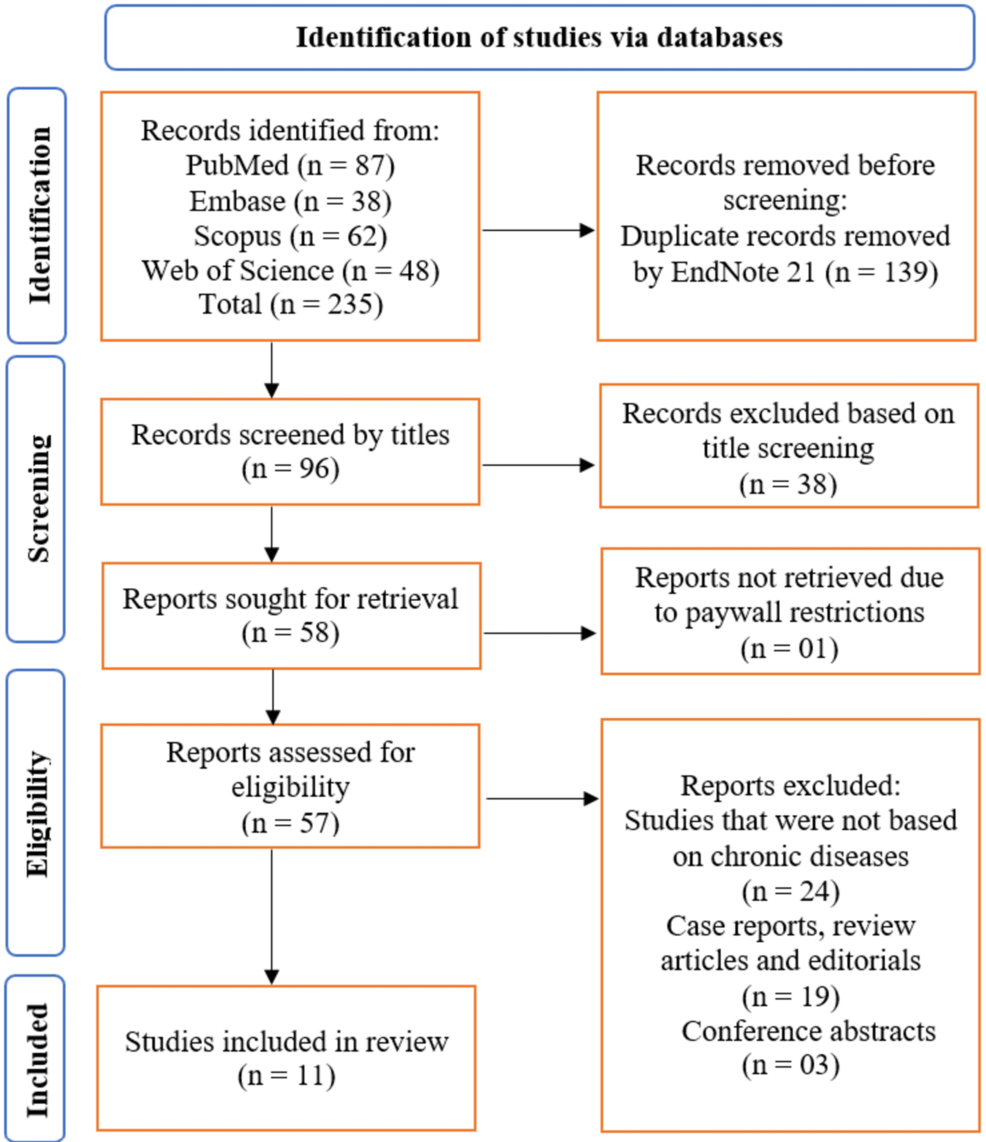
The Role of Artificial Intelligence Chatbots in Chronic Disease Care: A Systematic Review of Current Evidence and Future Directions
27 seconds ago
 AI News
World Cup 2026: Gates open after fans told not to travel to France
24 minutes ago
 AI News
World Cup 2026: France tops Iraq after 2
24 minutes ago
 AI News
Taiwan begins 5
24 minutes ago
 AI News
Ukraine war briefing: ‘Our patience is not endless’
24 minutes ago
 AI News
Recovery mission continues for jet skier in South Saskatchewan River
25 minutes ago
 AI News
‘Catastrophe’: Montreal’s West Island residents continue cleanup after heavy flooding
25 minutes ago