
Carney warns of tough times ahead in video message as retaliatory tariffs kick in
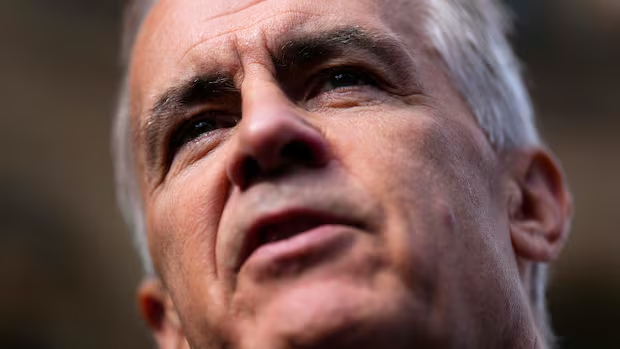
Carney warns of tough times ahead in video message as retaliatory tariffs kick in
PM says pivot will come at a cost, but 'it doesn't come close to the cost of standing still'
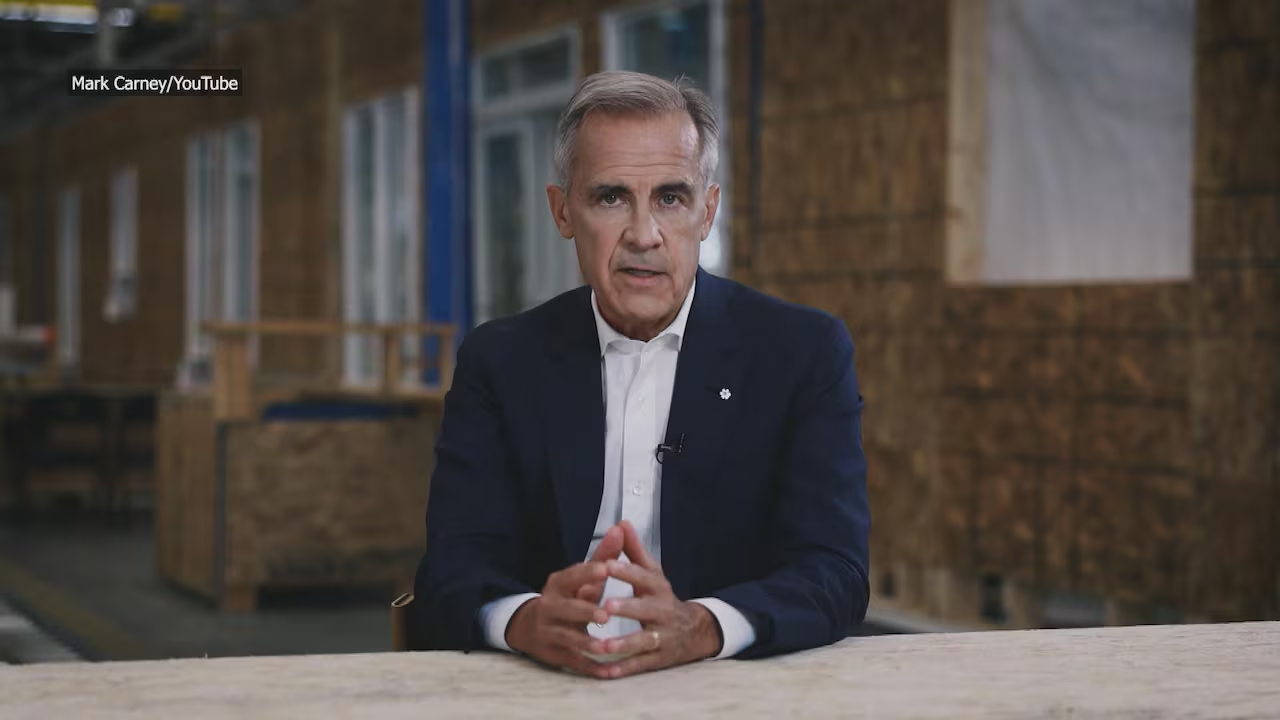
Prime Minister Mark Carney is warning Canadians that the country's pivot away from the United States will come at a cost — but insists the alternative would be far worse.
In a video released on Tuesday — hours after Canada's retaliatory tariffs kicked in — Carney reiterated Canada's plan to respond to the U.S. trade war by striking new trade deals with other countries to become less reliant on the U.S.
"We have everything we need to pivot and prosper," Carney said. "That pivot will come at a cost. There's always a cost to action. But it doesn't come close to the cost of standing still."
The video is the latest in a series Carney launched last spring to update Canadians on government policies and the government's response to U.S. trade actions.
Carney said the goal of those policies is to come out stronger and more resilient so "no country can ever hold us hostage, and that we can live how we want to live."
In his video address, Carney again accused the U.S. side of trying to introduce measures that would have restricted Canada's ability to trade with other countries, and its ability to promote and protect the French language and culture.
Carney releases video saying U.S. wanted 'dependency' in too many areas
Federal Conservatives continued calls over the weekend for Carney to release the full details of the deal Canada walked away from, and for the government to recall Parliament earlier than the scheduled Sept. 21 return date.
"We're asking for the prime minister to be straight-up. We know it's not easy to negotiate with the U.S. president. But the best way to keep everyone united and rowing in the same direction is to be up front about the costs, the decisions and the plan going forward," Poilievre said at a news conference in Regina on Monday.
U.S., Canada trade reps expected to speak today, sources say, as Ottawa's counter-tariffs take effect
Canada's new tariffs: Are small businesses 'cannon fodder' in the trade war?
Trump to Canadian plane maker Bombardier: You can't sell in U.S. unless you build in U.S.
"The only people who haven't seen [the deal] are the Canadian people. They deserve to see it, so they can judge what we are fighting for and what we are fighting against."
In his video address, Carney said Trump's tariffs were designed to harm some Canadians more than others. The U.S. has consistently taken aim at Canada's steel, aluminum, auto and lumber, which has primarily impacted workers in Ontario, Quebec and B.C., whereas workers in provinces like Alberta and Saskatchewan haven't been as affected.
"In the spring of last year, I warned that America is trying to break us so they can own us. And I promised that that will never, ever happen," Carney said in his video address.
Trump has mused openly for nearly two years about turning Canada into a U.S. state and has repeatedly referred to the prime minister as "governor."
In January 2025, before being sworn in for his second term, Trump ruled out using military force to annex Canada, but said he would consider using "economic force" to get Canada to become part of the U.S.
What counter-tariffs could cost Canadians
Canada's reciprocal tariffs took effect on Tuesday in response to Trump's latest round of 50 per cent tariffs last month, which targeted dozens of products, including honey, hockey sticks, milk and cheese.
Canada's tariffs, ranging from 15 to 50 per cent, target only products that were on the U.S. list, matching the dollar value of the exports: $27.8 billion.
"I don't believe in escalating the conflict, that's not constructive," Carney said in his video address.
"But our tariffs are necessary to protect our workers, protect our companies and our communities. We can't let American goods into Canada tariff-free while they charge our companies to export them."
Carney also offered a history lesson in his video address. He mentioned the Benjamin Harrison administration in 1890 and the push to impose tariffs on Canada led by Ohio congressman William McKinley, who would later become president.
"It put 50 per cent tariffs on our exports to the U.S. Sound familiar?" Carney said.
"McKinley's 50 per cent tariff was meant to pressure us into dependence and eventually annexation by the United States. In reality, it did just the opposite.
"Rather than getting weaker, Canada grew stronger. Instead of becoming more dependent, we diversified, by changing who we did business with. At the same time, inflation rose in the United States. They had a financial crisis and a four-year economic depression."
Nick Murray is a reporter with The Canadian Press.
Related Stories
 Canada
Carney releases video saying U.S. wanted 'dependency' in too many areas
1 minute ago
 Canada
B.C. Premier David Eby to speak as Canada’s counter
1 minute ago
 Canada
Canada, U.K., France to ban trade of goods from Israeli settlements in occupied West Bank
1 minute ago
 Canada
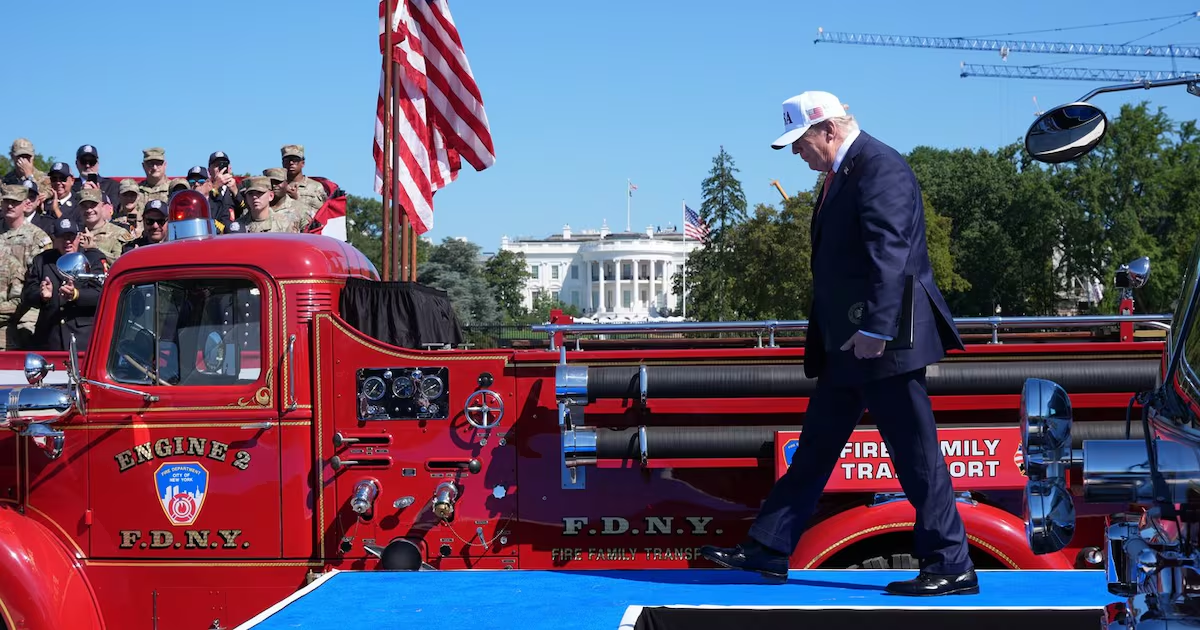
Trump honours 9/11 victims at the Ellipse, pledging to ‘never forget’
1 hour ago
 Canada
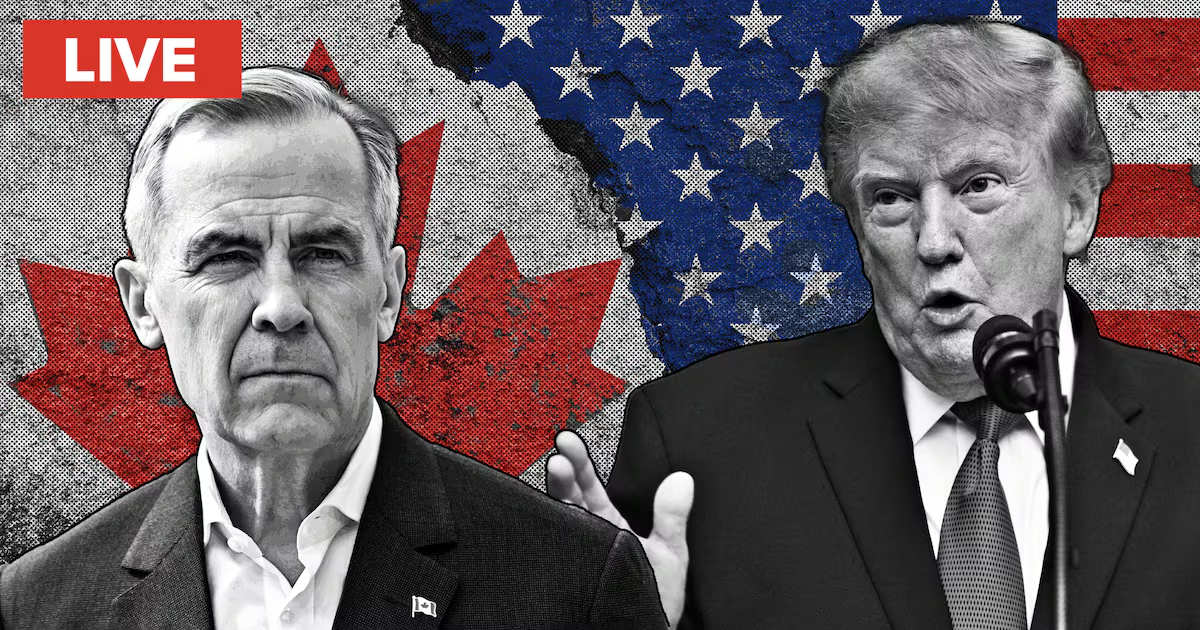
Canada hits back with counter
1 hour ago
 Canada
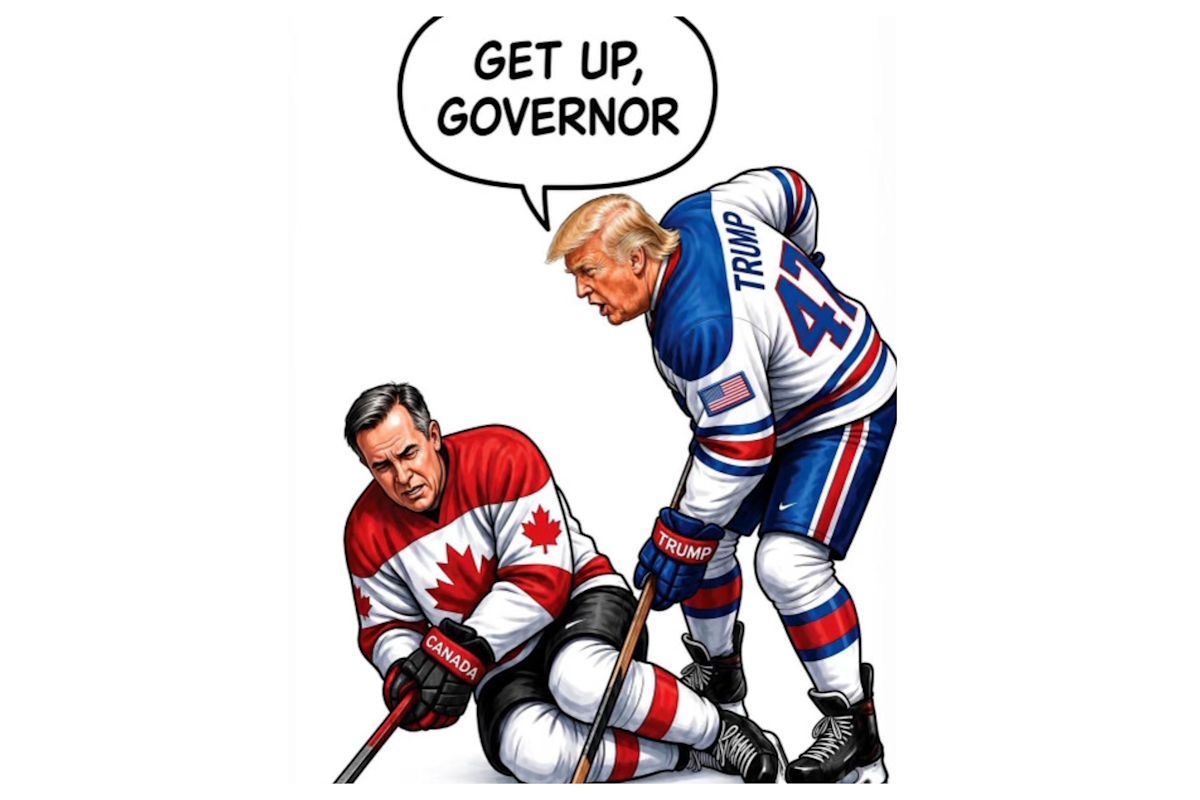
Social media condemns Trump's hockey cartoon as Canada's retaliatory tariffs take effect: 'Carney has been negotiating with a madman'
1 hour ago
 Canada
Prime Minister Carney to hold fall Cabinet Planning Forum focused on building with greater speed and ambition
1 hour ago
 Canada
U.S., Canada trade reps expected to speak today, sources say, as Ottawa's counter
1 hour ago