
CIA analysis suggests Iran could withstand blockade for 4 more months
CIA analysis suggests Iran could withstand blockade for 4 more months
Iran accuses U.S. of 'reckless' behaviour amid diplomatic efforts to end fighting
Iran reviewing U.S. proposal to end war, obstacles remain
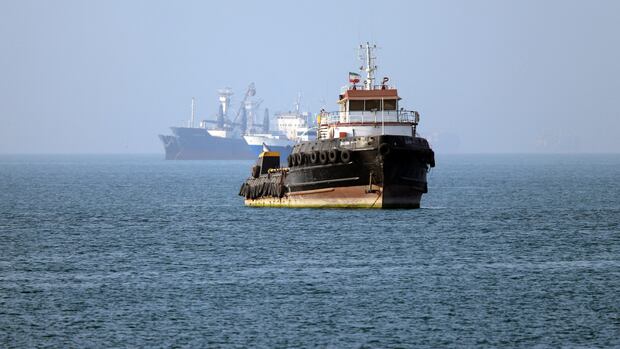
Efforts to end the war between the U.S. and Iran appeared to stall as the two sides traded fire in the Gulf on Friday, while a U.S. intelligence analysis concluded Tehran could withstand a naval blockade for another four months.
A CIA assessment indicated that Iran would not suffer severe economic pressure from a U.S. blockade of Iranian ports for about another four months, according to a U.S. official familiar with the matter, suggesting that U.S. leverage over Tehran remains limited as the two sides seek to end a conflict that has been unpopular with U.S. voters.
The Washington Post first reported the assessment.
A senior intelligence official called the “claims” about the CIA analysis “false,” saying the blockade "is inflicting real, compounding damage — severing trade, crushing revenue and accelerating systemic economic collapse."
Recent days have seen the biggest flare-ups in fighting in and around the Strait of Hormuz since a ceasefire began a month ago, and the United Arab Emirates came under renewed attack on Friday.
Washington is awaiting Tehran's response to a U.S. proposal that would formally end the war before talks on more contentious issues, including Iran's nuclear program.
"We should know something today," U.S. Secretary of State Marco Rubio told reporters in Rome earlier in the day. "We're expecting a response from them."
How close Iran was to making a nuclear bomb
Iran's foreign ministry spokesperson said Tehran was still weighing its response, and none was reported by mid-afternoon in Washington, just before midnight in Tehran.
Meanwhile, more sporadic clashes between Iranian armed forces and U.S. vessels were taking place in the Strait of Hormuz, Iran's semi-official Fars news agency reported. The Tasnim news agency later cited an Iranian military source saying the situation had calmed, but warning more clashes were possible.
The U.S. military said it had struck two more Iran-linked vessels that were trying to enter an Iranian port, with a U.S. fighter jet hitting their smokestacks and forcing them to turn back.
Iran has largely blocked non-Iranian shipping through the strait since the war began with joint U.S.-Israeli airstrikes across Iran on Feb. 28. The U.S. imposed a blockade on Iranian vessels last month.
Oil prices rose, with Brent crude futures above $101 US a barrel, though still down more than six per cent for the week.
Trump maintains ceasefire is holding
Trump said on Thursday the ceasefire was still holding despite the flare-ups in the strait, which before the war handled one-fifth of the world's oil supply.
The confrontation extended beyond the waterway. The United Arab Emirates said its air defences engaged with two ballistic missiles and three drones from Iran on Friday, with three people sustaining moderate injuries.
During the war, Iran has repeatedly targeted the UAE and other Gulf states that host U.S. military bases. In what the UAE called a "major escalation," Iran stepped up attacks this week after Trump announced "Project Freedom" to escort ships in the strait before pausing it after 48 hours.
Iran accused the U.S. of breaching the ceasefire, which had largely held since it was announced on April 7 but has come under far greater strain this week after Trump announced — and then paused — a new naval mission to force open the strait.
"Every time a diplomatic solution is on the table, the U.S. opts for a reckless military adventure," Iranian Foreign Minister Abbas Araghchi said on Friday.
Iran's Mehr news agency reported that one crew member was killed, 10 wounded and four missing after a U.S. Navy attack on an Iranian commercial ship late on Thursday.
Rubio, after meeting with Italian Prime Minister Giorgia Meloni, questioned why Italy and other allies were not backing Washington's efforts to re-open the strait.
"Are you going to normalize a country claiming to control an international waterway? Because if you normalize that, you've set a precedent that's going to get repeated in a dozen other places," he said.
While pursuing diplomacy the U.S. also ratcheted up sanctions to pressure Iran.
The U.S. Treasury on Friday announced sanctions against 10 individuals and companies, including several in China and Hong Kong, for aiding efforts by Iran's military to secure weapons and raw materials used to build Tehran's Shahed drones.
Treasury said in a statement it remains ready to take economic action against Iran's military industrial base so Tehran cannot reconstitute its production capacity and project power outside its borders.
It also said it was prepared to act against any foreign company supporting illicit Iranian commerce, including airlines, and could impose secondary sanctions on foreign financial institutions that aid Iran's efforts, including those connected to China's independent "teapot" oil refineries.
The announcement came days before Trump plans to travel to China for a meeting with President Xi Jinping.
Related Stories
 Explainers
Motion calls for overhaul to parking permit rules
22 hours ago
 Explainers
Expedition hopes to find aviator Amelia Earhart's plane on remote island
1 day ago
 Explainers
Analysis: Trump's shock Russia deal highlights mounting pressure to curb fuel prices
2 days ago
 Explainers
Automate remediation post AWS DevOps Agent investigation
4 days ago
 Explainers
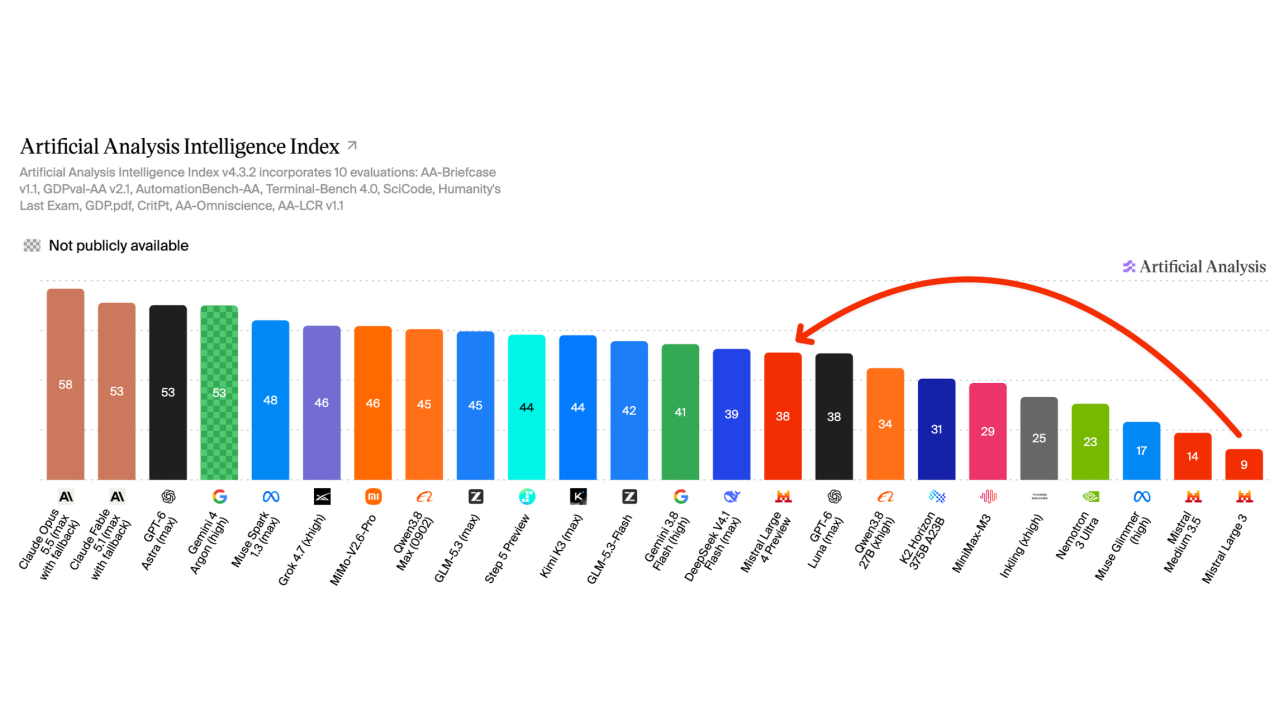
Mistral has released Mistral Large 4, scoring 38 on the Artificial Analysis Intelligence Index
5 days ago
 Explainers
Quebec election: Parti Québécois will form minority government in Quebec, CBC News projects
6 days ago
 Explainers
Nobel Prize awarded for revealing inner workings of the brain
6 days ago
 Explainers
Clocks stay in daylight saving, but analysis backs permanent standard time
6 days ago