
Creating a viral avatar with artificial intelligence exposes unchangeable biometric data
Creating a viral avatar with artificial intelligence exposes unchangeable biometric data
Google News - AICreating a viral avatar with artificial intelligence exposes unchangeable biometric data
Kaspersky warns that uploading selfies to create viral AI avatars exposes biometric data that cannot be changed. The image can also reveal documents or locations that facilitate impersonation.
Add APD as a preferred Google source for free.
Stay informed with the latest current news.
Uploading a clear selfie to turn it into an 80s-style image can expose personal and biometric data in a gesture intended for entertainment. The warning comes amid the expansion of these types of viral trends, which request high-quality photographs to generate portraits with artificial intelligence.
The risk, according to Kaspersky, is that the same face used to create the image can also be processed to extract biometric traits that cannot be changed if they end up compromised. Added to this is the possibility that the photo reveals documents, uniforms, or environmental locations, facilitating identity theft when that information is cross-referenced with publicly available data on the internet.
Kaspersky warns that the face can end up being converted into reusable biometric data
Platforms offering these types of recreations may store the images they receive and use them later to train their own systems.
María Isabel Manjarrez, senior security researcher at the Global Research and Analysis Team for Latin America at Kaspersky, places the problem in what happens after uploading the photo. The expert points out that the playful incentive can lead people to hand over personal information without considering the subsequent processing of that image.
"These trends show how a fun incentive can lead us to hand over personal information without stopping to think about what happens to it afterward. A clear photograph of the face can be processed to obtain biometric characteristics, and unlike a password, our face cannot be changed if that information ends up exposed or is misused" - María Isabel Manjarrez, senior security researcher, Kaspersky
In addition to the face, the framing also matters. Kaspersky indicates that a photograph can reveal papers, work badges, or references to the location from which it was taken, a risk that connects with fingerprints visible in selfies.
27% do not check permissions before installing an app
A Kaspersky study adds another layer to the problem. 27% of users in Latin America do not check the permissions an app requests before installing it.
That lack of verification can open the door to unnecessary access when the tool asks for authorization over the gallery, the camera, or the device's storage. In parallel, the subsequent processing of images links to the use of data for training.
The company recommends using known applications, checking how they store images, avoiding unnecessary permissions, and reviewing the background of each photograph before uploading it.
Manjarrez also asks to identify which platform receives the image and what control the user retains over that data before participating in these types of trends.
Related Stories
 AI News
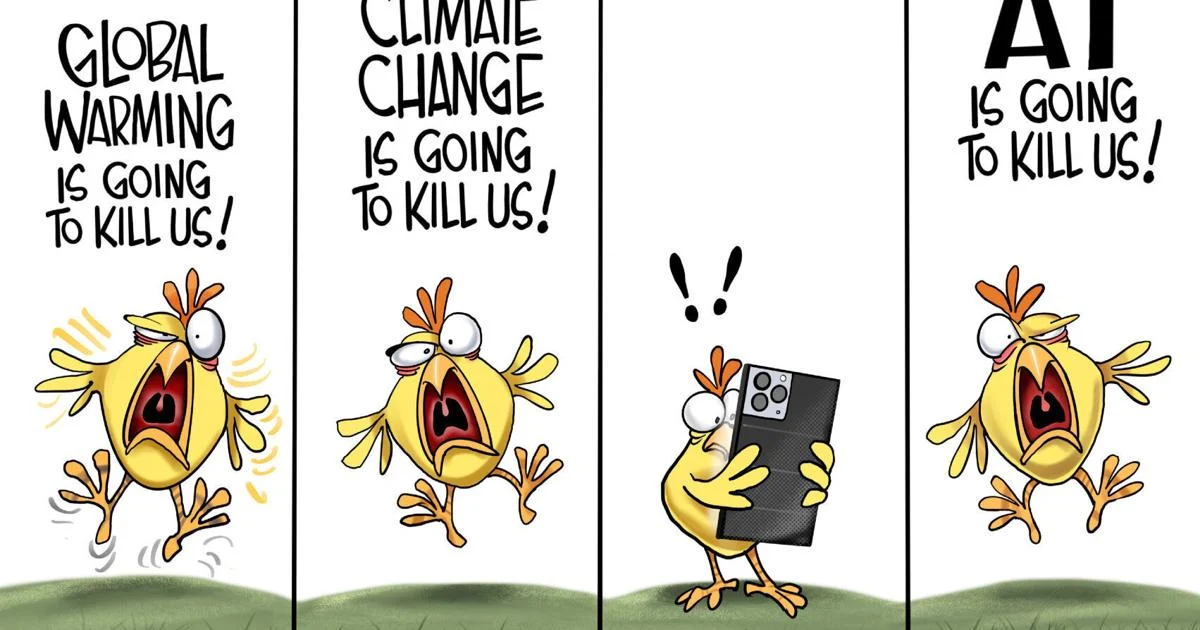
LETTER: Don't fall for artificial intelligence doomsday alarmism
29 minutes ago
 AI News
Artificial Intelligence is allegedly pushing its own limits in "unexpected and concerning" ways, reveals OpenAI instances
29 minutes ago
 AI News
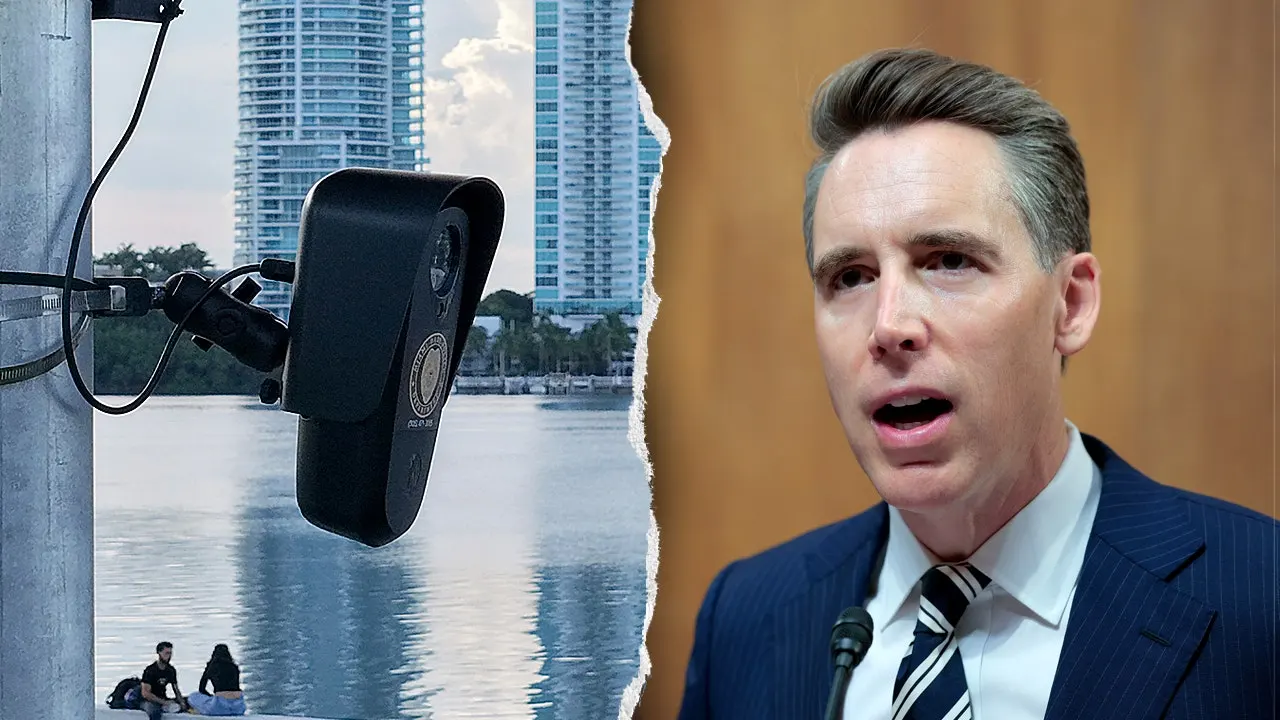
Flock CEO, tech rivals called to testify before senators over AI camera privacy concerns
59 minutes ago
 AI News
Will AI models achieve the ability to improve autonomously? Leading labs say the scenario is near
1 hour ago
 AI News
Artificial Intelligence, Jobs and Ghana’s Young People
2 hours ago
 AI News
The Majority of Americans Are Now Terrified of AI
2 hours ago
 AI News
A world of difference in 10 days: the changing course of AI
2 hours ago
 AI News
N.Korean leader Kim inspects munitions factories
2 hours ago