
Cuban lawmakers approve sweeping reforms to privatize vast swath of economy

Cuban lawmakers approve sweeping reforms to privatize vast swath of economy
Combined measures represent single largest change to Cuba's economic model in decades
Cuban lawmakers unanimously approved sweeping reforms backed by the Communist Party and former leader Raúl Castro that would privatize a vast swath of the country's socialist economy in a bid to survive punishing U.S. sanctions.
The measures, if implemented as passed, would represent the single largest change to Cuba's socialist model since former leader Fidel Castro's 1959 revolution and a major shift toward a market economy.
The reforms open the door to private real estate development on the Caribbean island, transform state-owned businesses into private commercial ventures with shares and equity stakes, and allow private banks to enter Cuba's once state-dominated finance sector.
They would also allow the "sale of state-owned properties to national and foreign legal entities and individuals, including Cubans residing abroad," according to the televised presentation to lawmakers — a major change in a country where the state has long held control over land and industry.
Canadian airlines halting flights to Cuba indefinitely
Cuban President Miguel Díaz-Canel, in a speech just prior to Thursday's vote, told lawmakers to keep the faith in Cuba's socialist past.
“What is being debated here is the dilemma of how to continue the process of socialist construction, which has suffered the longest blockade in history from the world's greatest power," Díaz-Canel said in reference to U.S. sanctions.
"We are not renouncing socialism."
Prime Minister Manuel Marrero told legislators the measures recognize the market as "an instrument for the efficient allocation of resources," a highly unusual concession from a Communist Party official in Cuba.
But he, too, cast the proposed changes as true to Cuba's socialist roots.
"These transformations do not constitute a deviation from our socialist project; on the contrary, they respond ... to its development," Marrero said. “The updating of the economic and social model has the essential purpose of improving the quality of life of our compatriots.”
The list of upwards of 175 measures, presented in a nearly two-hour-long speech by the prime minister, received a rubber stamp unanimous vote late on Thursday afternoon from the National Assembly.
It was not immediately clear how quickly — nor by what mechanisms — the vast array of new measures would be implemented, leaving many unanswered questions following the legislative vote.
Many of the measures to liberalize the Cuban economy have surfaced, both inside and outside Cuba, for years, but extreme pressure from the United States has once again pushed them to the fore.
Cuba's state-run economy, bureaucratic and inefficient, has struggled to provide for its people since the collapse of the Soviet Union, which long helped underwrite Cuba's brand of socialism.
But severe Trump administration sanctions — including a months-long oil blockade — have now left Cuba with little room to manoeuvre, devastating its already ailing economy, forcing an exodus of foreign businesses and decimating the all-important tourism industry.
Díaz-Canel told lawmakers that the decision to open Cuba's economy was "not related to negotiations" between the two countries, which began earlier this year but appear to have stalled.
The U.S. State Department did not immediately respond to a request for comment.
Longtime Communist Party leader Raúl Castro — indicted in May in the United States — threw his weight behind the measures, which would roll back many of the socialist reforms implemented after the 1959 revolution.
In a written letter presented first to the politburo on Wednesday and later to lawmakers on Thursday, he called them "beneficial" and urged their speedy implementation.
More possibilities for private enterprise
The transformational package would greatly scale back the prominence of state-run business in Cuba while unleashing private enterprise long limited by a bureaucratic state wary of private capital.
Businesses in Cuba would, for the first time, be permitted to hire more than 100 employees. Entrepreneurs would also be allowed to own multiple private businesses — another first.
Marrero said movements of private capital would be facilitated by a more nimble, private banking system, overseen by the state, as well as a real-time digital foreign exchange market with authorized agents.
Cuba has long offered its citizens steeply subsidized public services, including free or low-cost education, medical care and transportation. Many of those services have in recent years collapsed amid government inefficiency and a failing economy.
The new measures would establish a new taxation system and make public and private sector businesses, both foreign and domestic — partly responsible for underwriting public services.
Related Stories
 Finance
Commentary: The finance industry needs to catch up with Millennial and GenZ investors
1 hour ago
Investing In Carbon Management Technologies
4 hours ago
 Finance
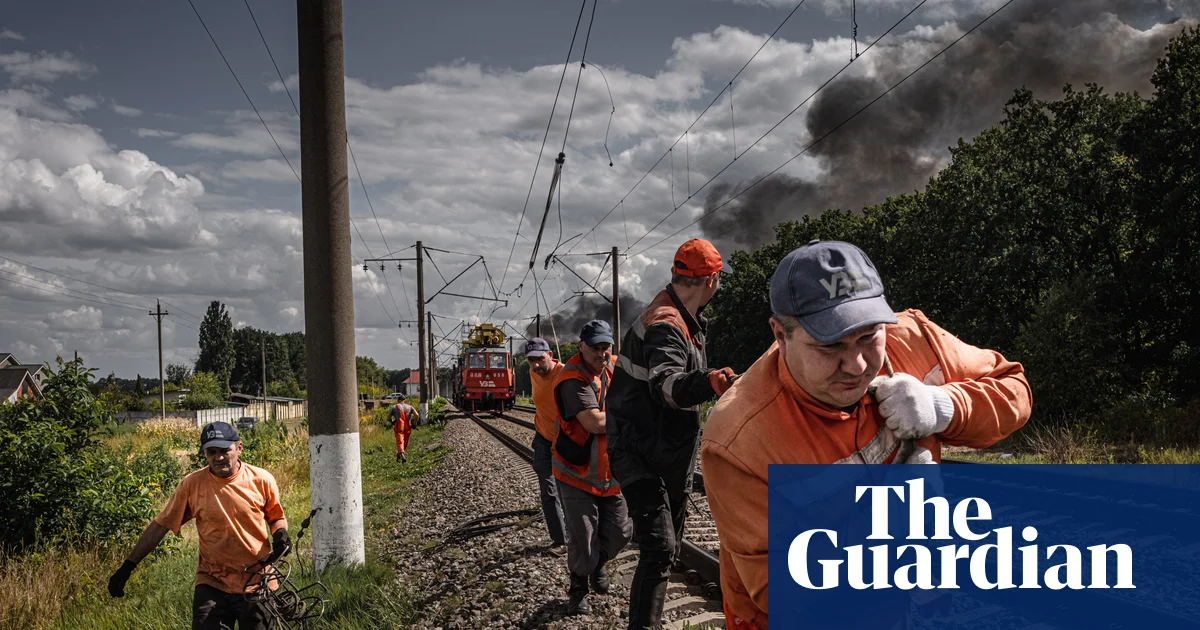
Russia targets Ukraine’s rail network as war enters deadly new phase
8 hours ago
 Finance
Sexual assaults happening almost every day in Ceuta, prosecutors say
8 hours ago
 Finance
UVic initiative looks to promote blended finance in Canada
12 hours ago
 Finance
Russian strike hits rail workers in new deadly attacks on Kyiv
23 hours ago
 Finance
Trump calls for federal tax incentives to benefit TV and movie industry
1 day ago
 Finance
Niyo to acquire Capital India’s RemitX forex business for Rs 11.4 crore
1 day ago