
Dal researcher appointed to UN’s new scientific panel on artificial intelligence
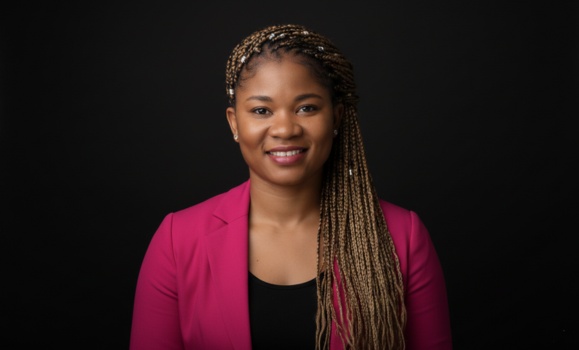
Dalhousie Computer Science Professor Dr. Rita Orji has been appointed one of 40 members of the new Independent International Scientific Panel on Artificial Intelligence for the United Nations (UN).
She is one of only two Canadians appointed to the panel this Thursday (Feb. 12) and will serve a three-year term focusing on her area of specialization: human-centred, equitable, and responsible AI.
Dr. Orji has long advocated for inclusive and equitable AI development, particularly for underserved communities and the Global South. Her appointment to the UN panel reflects years of work at the intersection of AI and human behaviour and follows a slew of recognition, including recently being named a Fellow of the African Academy of Sciences and receiving NSERC’s most prestigious prize for early-career researchers, the Arthur B. McDonald Fellowship.
“Rita is a powerhouse,” says Faculty of Computer Science Associate Dean Research, Dr. Nur Zincir-Heywood. “We are continually impressed with her accomplishments and the incredible way she represents our Faculty and institution. I know she and the panel will achieve amazing things.”
The Scientific Panel on AI was established by the UN General Assembly in August 2025. It is a global scientific body dedicated entirely to artificial intelligence and its scientific development, implementation, ethical use, and transformative power.
The panel was chosen in February 2026 from more than 2,600 candidates and is a multidisciplinary group that is both geographically diverse and gender balanced.
The panel's mission is to provide independent and impartial assessments of AI’s opportunities, risks, and impacts to the new Global Dialogue on AI Governance. The group will advance understanding and ensure that international deliberations regarding AI are informed by independent science.
Dr. Orji's research on AI-driven persuasive systems, culturally adaptive technologies, and digital health interventions aligns closely with the panel's mandate to assess AI's opportunities, risks, and impacts across diverse global contexts.
As the holder of the Canada Research Chair in Persuasive Technology and director of the Persuasive Computing Lab at Dalhousie, her expertise in understanding how AI systems influence human behaviour is deep. She will bring perspective to the UN about how to design and implement AI responsibly and equitably.
The Global Digital Compact was adopted in 2024 as part of the UN’s Summit of the Future, and outlined a shared vision for an “open, safe, and inclusive digital future.” Part of that vision included establishing an Independent International Scientific Panel on AI to advance scientific understanding and ensure that international deliberations are informed by the best available evidence and solidarity.
In a world where AI is racing ahead, this Panel will provide what’s been missing — rigorous, independent scientific insight.
“In a world where AI is racing ahead, this Panel will provide what’s been missing — rigorous, independent scientific insight that enables all Member States, regardless of their technological capacity, to engage on an equal footing," said UN Secretary-General António Guterres in a statement.
Related Stories
 World
World
Rugby League World Cup 2026: Schedule, dates, format, results from men's, women's, and wheelchair tournaments
1 hour ago
 World
World
Changing demographics in N.L. are driving demand for local lamb
1 hour ago
 World
World
Airport closure extended, Riyadh schools move online after deadly strike
2 hours ago
 World
World
DP World Tour to deny LIV Golf players memberships for 2027 season
2 hours ago
 World
World
The Sudden Return of Effective Altruism
2 hours ago
 World
World
Iran’s Revolutionary Guard Navy Says Oil Tanker Struck Mine In Strait Of Hormuz
3 hours ago
 World
World
5 Malaysians arrested for possible cocaine smuggling
3 hours ago
 World
World
Trump announces Ukraine
4 hours ago