
David Gardner: 2026 is most significant year ever for SaaS startups and early
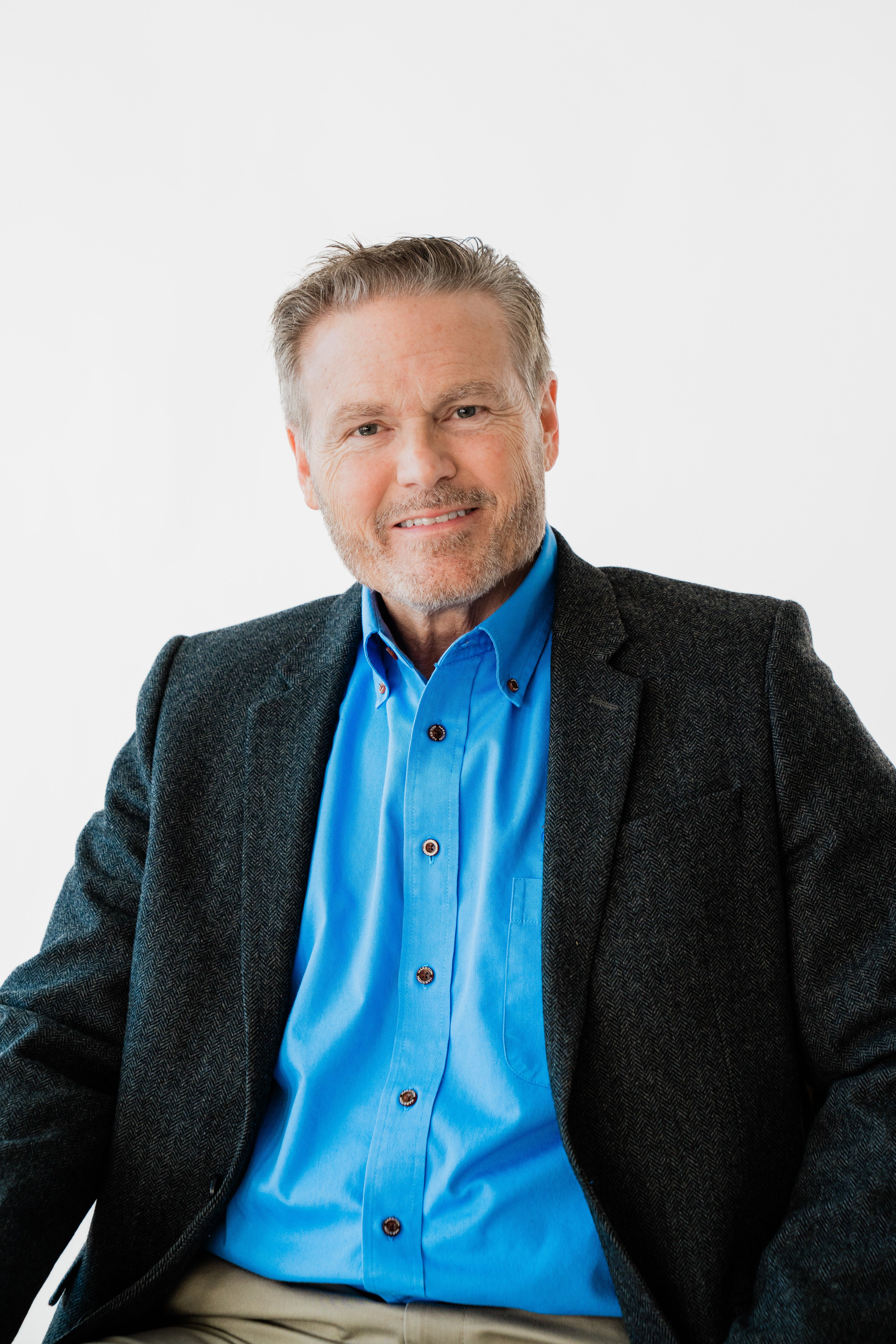
As I was writing my newsletter last week on significant industry changes, it occurred to me that even now, just half way through the year, 2026 may already be the most important year that the SaaS industry (software running in a browser) as every experience. There are several reasons why, many of which stem from the massive technology and market changes we have witnessed through the first half of the year. We have observed several distinct themes.AI has Become the Entire Early-Stage Market
AI has become the entire early-stage market
The biggest story remains that AI is no longer a sector; it is the infrastructure layer underneath nearly every new SaaS startup. Three years ago, founders pitched software with AI features but today the best companies are built around AI-native workflows, autonomous agents, and proprietary data advantages i.e. AI-First.
The famous bold statement that was made in the early nineties was “Software is no longer a part of the business – it is the business!” Updating that bold sentiment today, it might read, “AI is the business” leaving investors asking questions like:
Agentic AI is replacing the SaaS seat model
The most significant innovation trend inside SaaS is the shift from software that assists humans to software that performs the work humans once did. Investors are increasingly funding startups that:
This is shaping up to be the largest business-model shift since SaaS replaced on-premise installed mainframe and client server computer applications. Cybersecurity, customer support, recruiting, finance, and operations are leading adoption.
Early-stage venture is booming but growth-stage venture is still recovering
The venture market is increasingly bifurcated. Early-stage investing has largely normalized and is seeing signs of explosive growth, but later-stage growth rounds remain selective. Exit markets are still slower than historical norms. Investors are concentrating capital into fewer companies and being more selective about their choices. The message for founders today is that capital exists, but only for companies showing clear differentiation and efficient growth.
The Southeast has become a permanent venture region
This is arguably the biggest US regional story. The Southeast is no longer viewed as an emerging ecosystem. Venture Atlanta has become the Southeast’s premier venture conference. The area is now viewed as a permanent and attractive venture geography with most opportunities coming from Raleigh-Durham, Charlotte, Atlanta, Miami and Nashville. Although still underserved from an early-stage capital perspective, some are calling this the new Silicon Valley corridor.
Founders are building companies more efficiently
A startup that required 25 employees in 2020 may only require 8 to 10 employees in 2026. AI coding tools, automated marketing, chat-based AI customer support, and workflow agents are dramatically reducing staffing requirements. With less capital required for infrastructure and code development, these companies can spend more of their invested capital on sales and marketing which often translates into faster growth and revenue acceleration. The bottom line is that founders today are holding all of the cards. They can innovate faster and grow faster than ever before.
Exit market expected to continue to improve
Although the IPO market remains sluggish, strategic acquisitions (our typical exit) are returning nicely. As large established SaaS companies struggle to move their massive code base and customers to more AI-first solutions they continue to have difficulties with rapid innovation. Strategic buyers’ desire to acquire their innovation rather than build it internally will continue to accelerate. Over the next several years, I believe this will create a seller’s market for truly innovative AI-first ventures.
Related Stories
 Startups
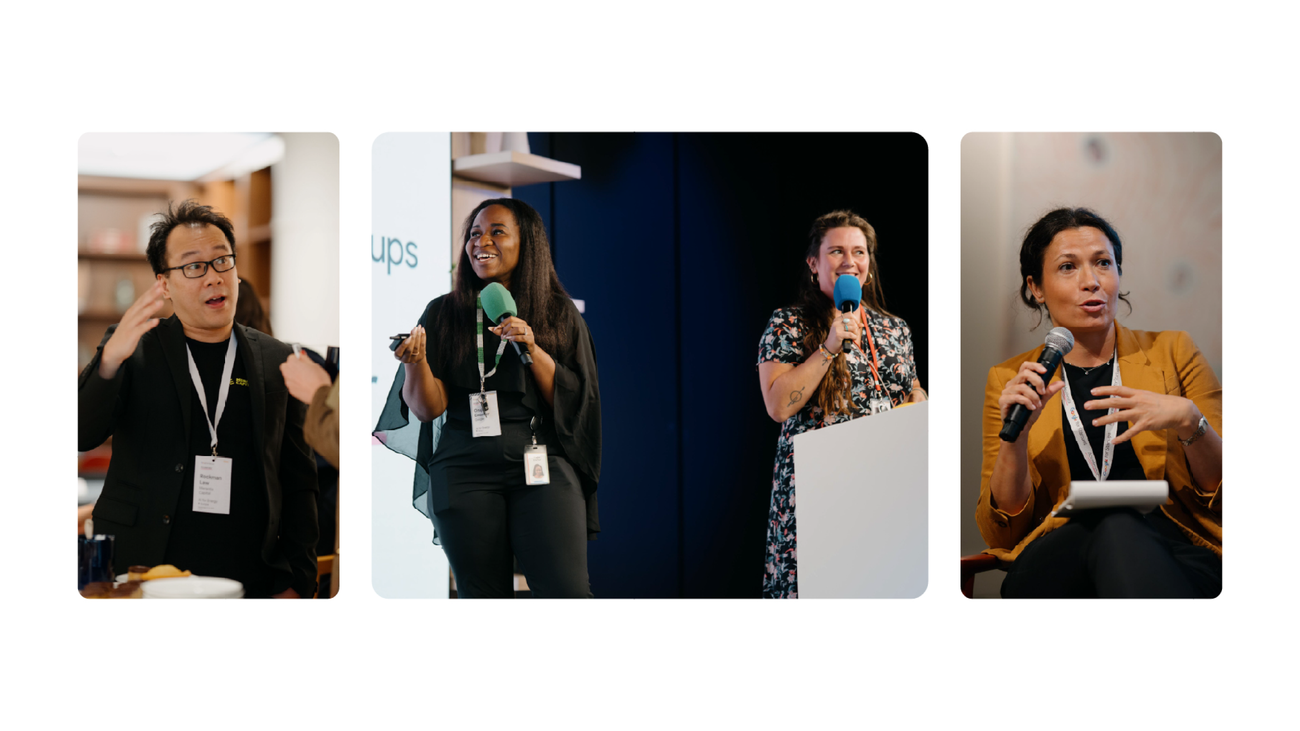
28 startups using AI to transform the energy sector
14 minutes ago
 Startups
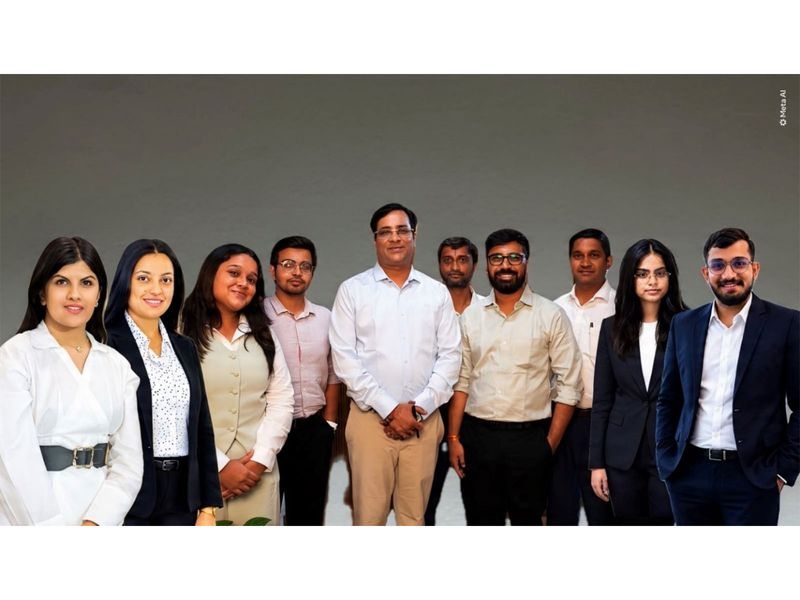
VSUREs Portfolio Value Exposure Crosses Rs. 300 Crore Across 40+ Startups and SMEs
3 hours ago
 Startups
Five investors every African founder should watch
6 hours ago
 Startups
Ventures Platform goes bigger — and broader
9 hours ago
 Startups
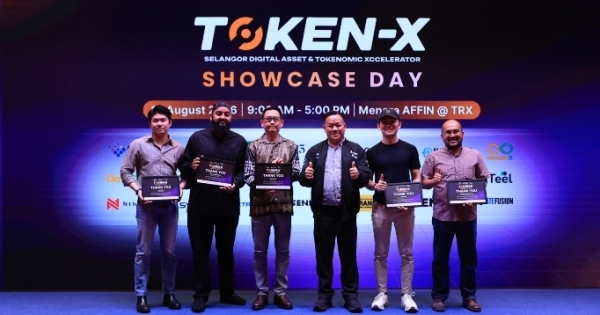
90 startups took centre stage at Selangor Triple Accelerator showcase days
13 hours ago
 Startups
“Venture Studios”: A New Model Reshaping How Startups Are Built in the Region
23 hours ago
 Startups
Rhode Island Launches New Program to Cover Lab and Office Costs for Up to Eight Life Science Startups
1 day ago
 Startups
Daiwa Securities unit teams with Aussie VC to back AI, quantum startups
1 day ago