
David Rosenberg: Canadian consumers facing credit crisis despite all the so
Well, Canada’s nice run of positive economic data — taking the loonie to almost 71.8 cents U.S., testing the 100-day trendline — just came to a thundering halt. The loonie seems oblivious to Donald Trump getting set to hit many Canadian goods with a 50 per cent broad-based tariff on Aug. 19.
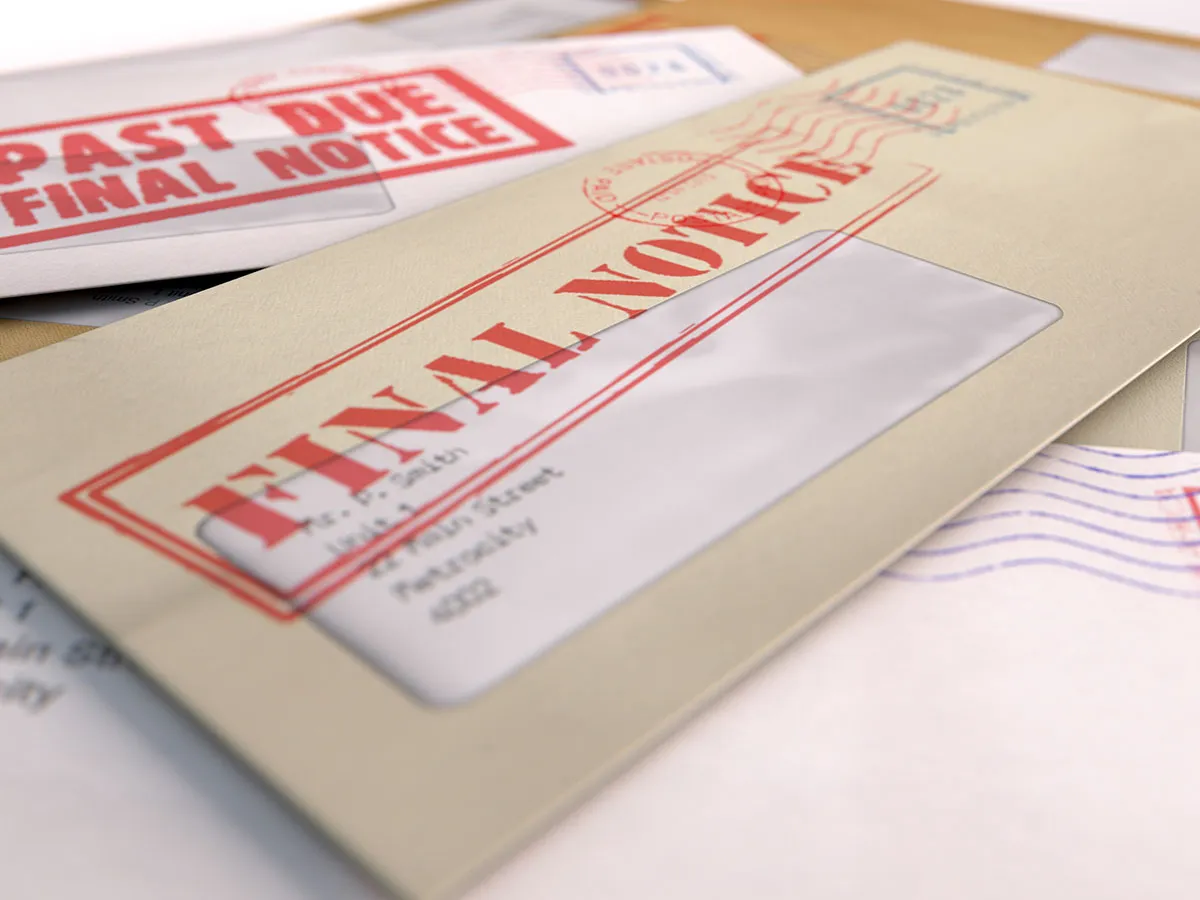
Even with the recent glow from the employment numbers, 37,523 Canadian consumers filed for insolvency in the second quarter, up nearly seven per cent from a year ago and the highest for any quarter since the tail end of the Great Recession in 2009. Bankruptcy filings in each of the past two quarters topped 2009 levels. These are filings, but the actual tally of personal bankruptcies totalled 8,600 in the second quarter, up 10.3 per cent year over year.
It isn’t just credit cards. Homeowners saw their insolvencies climb five per cent as well and now represent nearly one in 10 of all such distressed debtors, a sign of the vagaries of entering into a negative net equity position in this multi-year era of residential real estate deflation benchmarked against sky-high loan-to-value mortgages at the time of origination.
Meanwhile, the share of residential mortgages now in arrears has risen in the past year to a decade-high and is a bit above the first quarter 2008 level that preceded the Great Recession — 40,912 mortgages now having this dubious status versus 33,393 a year ago.
Perhaps the most startling statistic of all, pointing to a grim reality even with home prices having come off the bubbly boil and now down 20 per cent from the cycle peak, the median loan-to-income (LTI) ratio for first-time home buyers finished 2025 at a nosebleed high of 372 per cent.
More than one in five are burdened with an LTI ratio of 450 per cent, which is beyond the pale. A whole generation of 20- and 30-somethings can be expected to not be partaking in any economic activity for many years to come. That should be a message to the cheerleading Bay Street economics crowd.
What’s the problem? Isn’t the Canadian economy out of the sick bay? Wasn’t the technical recession at the start of the year nothing more than a ruse?
It comes down to the crushing level of Canadian household debt. What was once a prudent and conservative society turned outright reckless and profligate in recent years.
While the household sector’s debt/income ratio has stabilized at 166 per cent, it is still more than 30 percentage points above the historical norm dating back to 1990. It is far above the level that touched off the United States financial crisis of 2008-2009. Not to mention far exceeding comparable debt ratios for either the business or government sectors.
It is because of this debt bubble that even after all the Bank of Canada’s heavy lifting, the aggregate household debt-service ratio remains stubbornly high at nearly 15 per cent.
That’s right at the level that touched off the last two recessions, and is higher than it was just prior to the horrible 1990-1991 economic downturn, when interest rates were more than triple what they are today.
Again, the problem of compounding even low levels of interest rates off an unsustainable and unhealthy debt burden.
Related Stories
 Economy
Trump stumps for Republicans ahead of midterms
1 hour ago
 Economy
Fed's Warsh surprised by world economy's 'resilience'
2 days ago
 Economy
Bad news for Trump ahead of the midterms: it’s still the economy, stupid
2 days ago
 Economy
The global economy is muddling through against the odds. But a storm is coming | Larry Elliott
2 days ago
 Economy
How high inflation is hurting Trump's Republicans in U.S. midterm campaign
2 days ago
 Economy
‘Clear and present danger’: fuel prices could rise by 30c a litre across Australia under IMF scenario
5 days ago
 Economy
IMF warns global economy ‘could soon test the limits of resilience’
5 days ago
 Economy
Nobel memorial prize in economics awarded to Robert E. Hall and Michael Woodford
5 days ago