
Defence minister rejects US criticism over spending
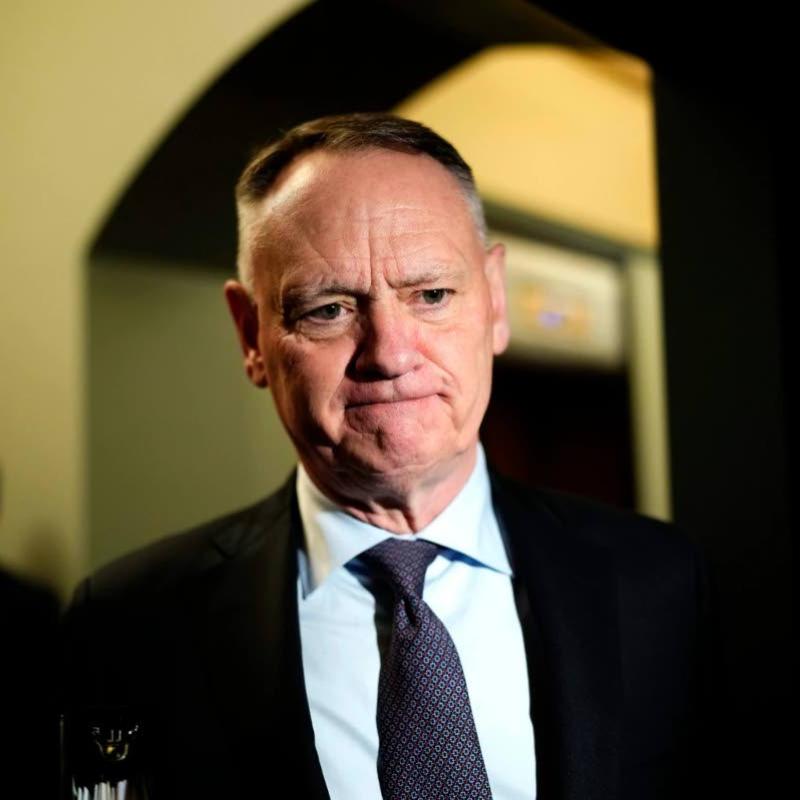
Canada has pushed back against a sharp Pentagon rebuke over its military spending and review of the purchase of American-made F-35 fighter jets, insisting that defence policy decisions will be made in Ottawa, not Washington.
In an unusually blunt fact sheet released on Monday, the US Defence Department accused Canada of falling short as a credible partner in the defence of North America, arguing that Ottawa had failed to make the difficult decisions needed to modernise its military and meet NATO commitments.
“Canada’s defence shortfalls speak for themselves,” the Pentagon said. “Canada must get serious and focused.”
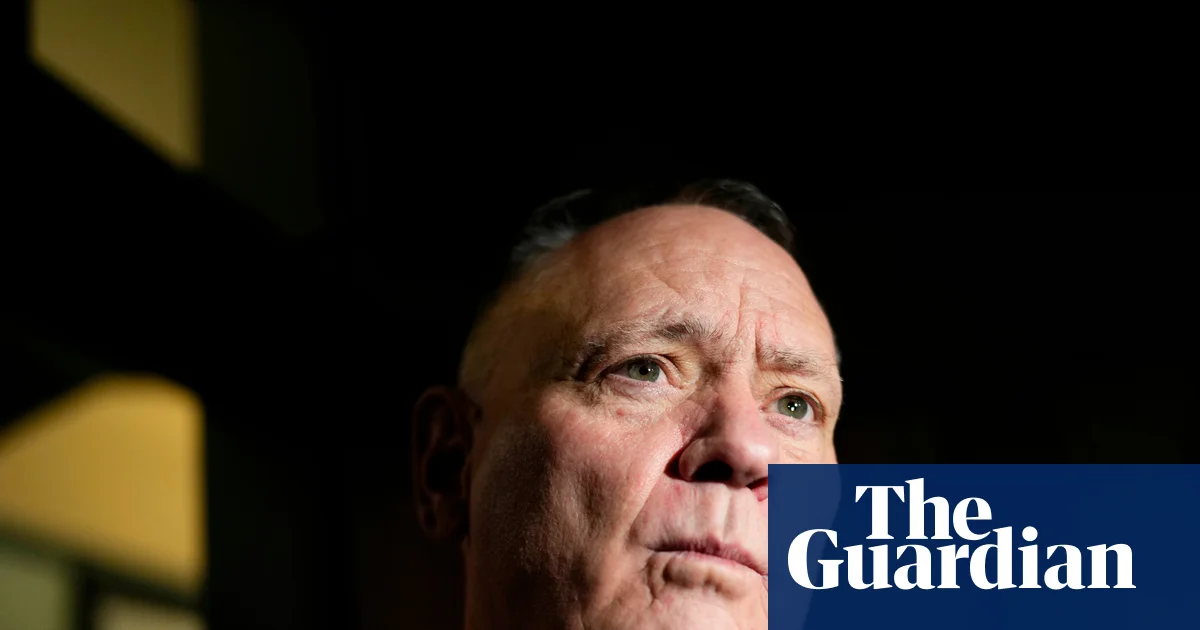
But Defence Minister David McGuinty rejected the criticism a day later, stressing Canada’s sovereignty.
“Canada is a sovereign nation. I’ll be very direct. We don’t report to the United States,” McGuinty told reporters.
He said Canada remained committed to spending five per cent of gross domestic product on defence and related security investments by 2035, while noting that NATO allies had agreed to review the target in 2029.
“We also said by 2029 we would be examining that five per cent commitment,” McGuinty said.
According to McGuinty, Canada’s planned spending would rise to four per cent of GDP by 2030, up from 1.25 per cent just 14 months ago.
Under NATO’s 2025 agreement, members are expected to allocate at least 3.5 per cent of GDP to core defence spending and up to 1.5 per cent to related security investments by 2035. A scheduled review in 2029 will assess whether the targets remain appropriate in light of evolving security threats and military requirements.
The Pentagon argued that Canada’s largest spending increases have been deferred until after the 2029 federal election and questioned whether Ottawa has a credible, fully funded plan to reach the alliance’s targets.
Canada met NATO’s previous benchmark of spending two per cent of GDP on defence and joined allies in committing to the higher target. Its latest budget projects combined defence and security spending of 4.1 per cent of GDP by 2027-28, although only 2.6 per cent would be devoted to core defence. Canada’s parliamentary budget watchdog has also questioned how the government plans to achieve the five per cent goal.
The dispute comes amid increasingly strained relations between the two countries. Tensions have been fuelled by President Donald Trump’s trade policies and repeated suggestions that Canada should become the 51st US state.
The Pentagon also criticised Canada’s review of its planned purchase of 88 F-35 fighter jets, warning that operating a mixed fighter fleet could aggravate personnel shortages and create uncertainty for the North American Aerospace Defence Command (NORAD), which the two countries jointly operate.
Prime Minister Mark Carney ordered a review of the F-35 acquisition after the Trump administration imposed tariffs on Canada and raised concerns about Canadian sovereignty. Ottawa has also examined Sweden’s Gripen fighter aircraft, a proposal that could bring manufacturing work to Canada.
The Pentagon said only 41.9 per cent of Canada’s air force fleet and 53.9 per cent of its naval fleet were serviceable during the 2025-26 fiscal year, while army readiness stood at 48 per cent. It argued that years of underinvestment had weakened Canada’s ability to contribute to continental defence.
Further friction emerged after Defence Secretary Pete Hegseth reportedly issued a directive restricting US military officials’ participation in Canadian think-tank events and social gatherings. As a result, Pentagon officials did not attend this year’s Halifax International Security Forum, breaking with a long-standing practice.
Democratic Senator Andy Kim, who attended the forum, criticised the decision, writing on social media that, “Hegseth did not allow a single American servicemember in uniform to show up.”
Republican Senator Mike Rounds said, however, that the directive was not expected to affect joint military operations or intelligence-sharing arrangements between the two allies.Despite the criticism, Canada has acknowledged shortcomings in military readiness. Earlier this year, Carney noted that only one of the country’s four submarines was seaworthy and announced plans to acquire up to 12 replacements.
“We should no longer send three-quarters of our defence capital spending to America,” Carney said in June.
Related Stories
 Canada
Another BC coastal storm hits
1 hour ago
 Canada
Sports journalist Rick Westhead wins Balsillie prize for book about hockey culture in Canada
1 hour ago
 Canada
Tom Cruise will reprise role as NASCAR driver in follow
2 hours ago
 Canada
Thomas Markle indicted in U.S. on two counts of possessing child sexual abuse material
3 hours ago
 Canada
Mortgage delinquencies at 13
3 hours ago
 Canada
Conservatives want Parks Canada officials, union to answer questions on cuts
4 hours ago
 Canada
The rise of the ‘bank of grandma and grandpa’ puts retirement budgets to the test
4 hours ago
 Canada
 says it ‘does not report to the US’ after Pentagon memo criticizing military spending
5 hours ago