
Diwali enters UNESCO Intangible Heritage List: Why the recognition matters amid pollution debate? How many ...
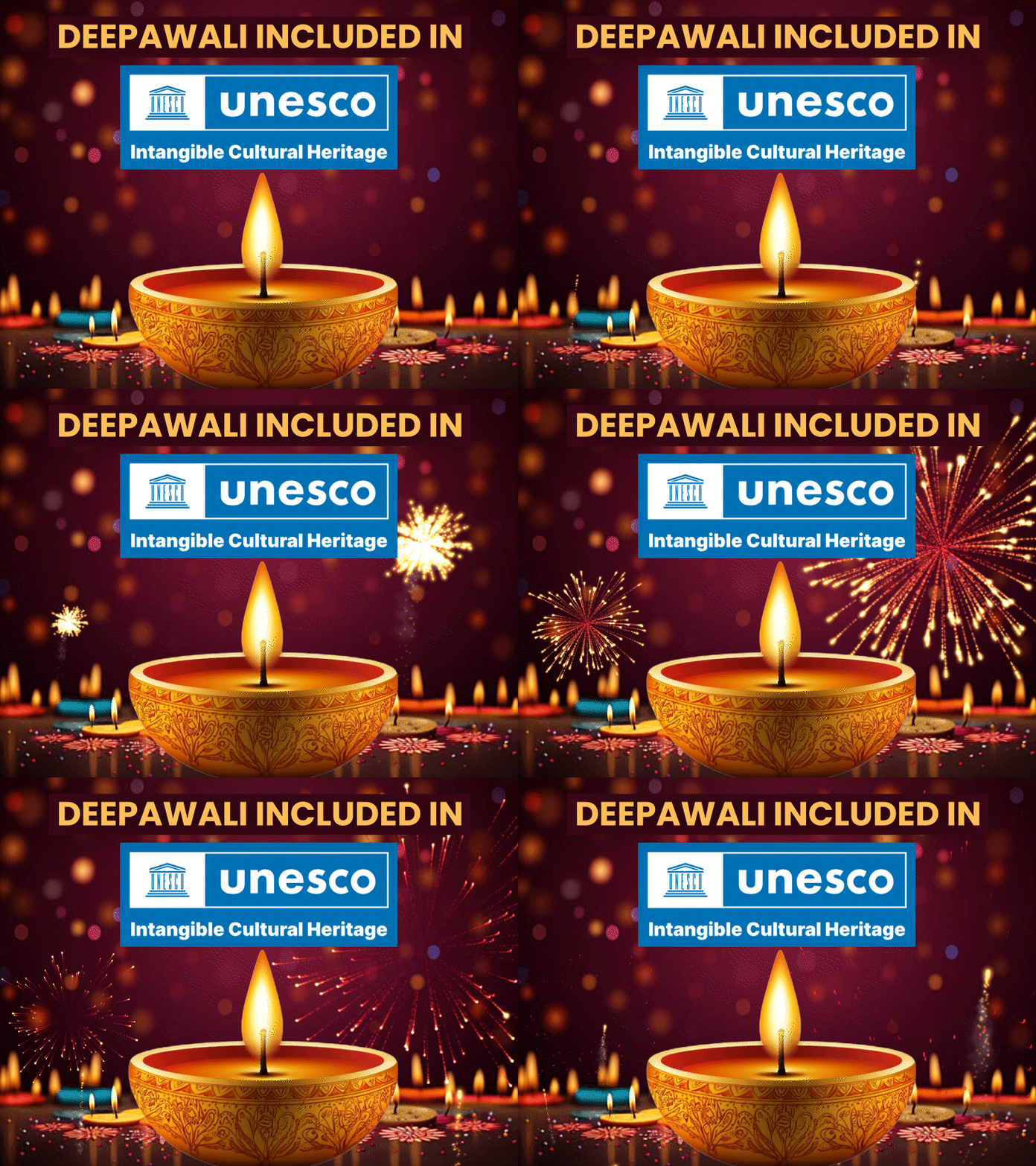
ExplainedDiwali enters UNESCO Intangible Heritage List:Why the recognition matters amid pollution debate? How many Indian festivals already inscribed?
Diwali has officially been added to UNESCO’s Intangible Cultural Heritage list, a recognition that comes at a significant moment as debates around pollution and festive practices continue in India. The inscription highlights Diwali’s cultural, social, and spiritual importance beyond the environmental concerns often associated with it.
With Diwali, India now has 16 such recognised traditions. The announcement came during UNESCO’s committee meeting at Delhi’s Red Fort, hosted by India for the first time.
As soon as the inscription was announced, attendees broke into chants of 'Vande Mataram' and 'Bharat Mata ki Jai', reflecting the emotional significance of the moment for the Indian delegation.
To mark this occasion, the central government has decided to hold a special Diwali celebration on December 10 to strongly showcase India's cultural identity to the world
What is UNESCO’s intangible cultural heritage?
UNESCO defines intangible cultural heritage as traditions, expressions, knowledge, and skills that communities recognise as part of their cultural identity. Unlike monuments or historical sites, intangible heritage focuses on living cultural practices, including festivals, rituals, performing arts, craftsmanship, oral traditions, and more.
This heritage is passed down through generations and evolves with time, giving communities a sense of belonging and continuity. UNESCO’s mission is to safeguard these traditions so that they remain vibrant and relevant for future generations.
Why does UNESCO maintain this list?
UNESCO’s Representative List of the Intangible Cultural Heritage of Humanity serves several important purposes:
Every year, UNESCO evaluates nominations from member countries and inscribes selected cultural practices that meet its criteria for authenticity, community involvement, and cultural value.
Also Read | Law minister to respond in Lok Sabha on election reforms: Rajya Sabha will witness conclusion of 'Vande Mataram' debate
After Garba, Deepavali added to the List
After Garba’s inclusion in 2023, Deepavali has now been added to UNESCO’s Intangible Cultural Heritage list. This marks another major recognition of India’s vibrant cultural traditions on the global stage.
Deepavali is one of the most widely celebrated festivals in India and among Indian communities across the world. UNESCO recognised Deepavali for several key reasons:
Its inclusion reflects how deeply the festival shapes everyday life, social values, and cultural expressions in India.
How does Deepavali strengthen India’s soft power diplomacy?
Deepavali’s global celebration enhances India’s soft power by showcasing its rich cultural traditions in a positive, non-political way. As the festival is embraced worldwide, it builds goodwill, deepens cultural ties, and strengthens India’s global influence through shared heritage and values.
Apart from India, Diwali is celebrated in 9 other countries, such as Nepal, Myanmar, Sri Lanka, Mauritius, Suriname, etc. The festival of lights is celebrated across the globe, which symbolises the spiritual victory of light over darkness, good over evil, and knowledge over ignorance.
Also Read | Amit Shah accuses Congress of opposing Vande Mataram for decades
India’s contributions to Intangible Cultural Heritage
India’s rich intangible cultural heritage requires organised preservation. To support this, the Ministry of Culture launched the Scheme for Safeguarding the Intangible Heritage and Diverse Cultural Traditions of India, while the Sangeet Natak Akademi conducts training and awareness programmes.
The Scheme strengthens institutions, practitioners, scholars, and communities, and promotes recognition through UNESCO nominations. Key activities include documentation, creating ICH inventories, promotion of traditions, training artists, workshops, performances, and skill development through Sector Skill Councils under the NVEQF.
Related Stories
 Culture
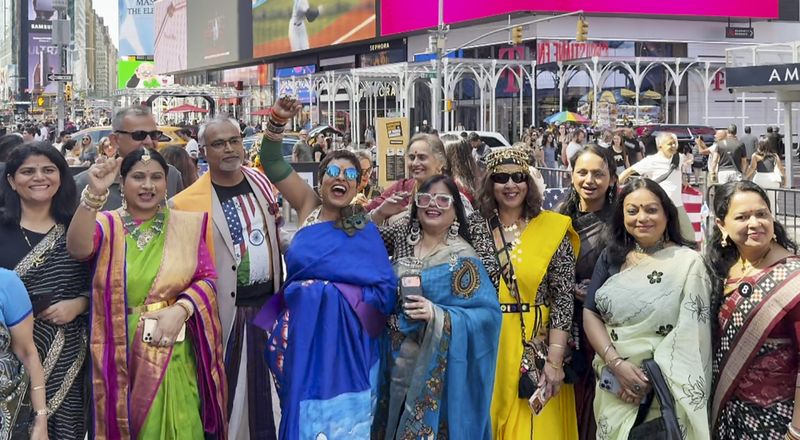
Diversity of Indian sarees, textile heritage displayed by diaspora women at Times Square
1 day ago
 Culture
Diversity of Indian sarees, textile heritage displayed by diaspora women at Times Square | Hindustan Times
2 days ago
 Culture
Yogi Adityanath attacks Rahul Gandhi over Manusmriti remarks, asks 'why destroy India's heritage?'
3 days ago
 Culture
Sanskrit is vital link between India’s civilisational heritage and its future: HP Governor Kavinder
3 days ago
 Culture
Father leaves 7-year
4 days ago
 Culture
Cliff lift closed due to public safety concerns
5 days ago
 Culture
Youth must become custodians and ambassadors of Indias cultural heritage: Vice President
5 days ago
 Culture
August 15: Rashtrapati Bhavan To Showcase India’s Traditions And Cultural Heritage On 80th Independence Day
6 days ago