
Diwali gets UNESCO Heritage Status: See what other Indian traditions are on the list
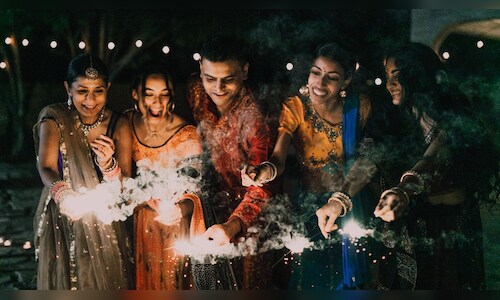
Diwali | Inscribed in 2025, Diwali, or Deepavali, is India's festival of lights, celebrated nationwide. Observed on Kartik Amavasya, the new moon in October or November, it marks the end of the harvest season and reflects diverse cultural and mythological traditions. Across India, Diwali is linked to several legends, including the Ramayana story of Rama, Sita and Lakshmana returning to Ayodhya after exile, and the Mahabharata account of the Pandavas' homecoming. Along with lighting diyas, the festival features rangoli, sweets, home decorations, rituals, gift-giving and community gatherings. (Image: AP)
Garba | Inscribed in 2023, Gujarat’s Garba is a ritualistic and devotional dance that is performed on the occasion of Navratri. The dance takes place around a clay lantern, or an image of the mother goddess Amba. The dancers move around the centre in a counter-clockwise circle, using simple movements while singing and clapping their hands in unison. (Image: Shutterstock)
Durga Puja | Inscribed in 2021, Durga Puja is an annual festival celebrated in September or October, most notably in Kolkata, but also in other parts of India and amongst the Bengali diaspora. During the event, the divides of class, religion and ethnicity collapse as crowds of spectators walk around to admire the installations.
Kumbh Mela | Inscribed in 2017, Kumbh Mela is the largest peaceful congregation of pilgrims on earth, during which participants bathe or take a dip in a sacred river. The festival is held at Allahabad, Haridwar, Ujjain and Nashik every four years by rotation and is attended by millions of people irrespective of caste, creed or gender. (Image: Reuters)
Nowruz Persian New Year | Inscribed in 2016, Nowruz begins at the spring equinox, when the sun crosses the equator and day and night are equal in length. It is celebrated mainly in Afghanistan, Azerbaijan, Iran, Iraq, Kazakhstan, Kyrgyzstan, Uzbekistan, Pakistan, Tajikistan, Turkmenistan, Turkey, as well as by Parsis in India. An important tradition practised during this time is the gathering around 'the table', decorated with objects that symbolise purity, brightness, livelihood and wealth, to enjoy a special meal with loved ones. In 2024, the inscription was updated to extend heritage recognition to include Mongolia under the same listing. (Image: Reuters)
Yoga | Inscribed in 2016, Yoga consists of a series of poses, meditation, controlled breathing, word chanting and other techniques designed to help individuals build self-realisation, ease any suffering they may be experiencing and allow for a state of liberation. It is practised by the young and old without discriminating against gender, class or religion and has also become popular in other parts of the world. (Image: Canva)
Utensil making among the Thatheras | Inscribed in 2014, the Thatheras of Jandiala Guru are credited for continuing the traditional technique of manufacturing brass and copper utensils in Punjab. The process begins with procuring cooled cakes of metal that are flattened into thin plates and then hammered into curved shapes, creating the required utensils. Designs are made by skillfully hammering a series of tiny dents into the heated metal. The process of manufacturing is transmitted orally from father to son. (Image: Reuters)
Sankirtana | Inscribed in 2013, Manipur’s Sankirtana encompasses an array of arts performed to mark religious occasions and various stages in the life of the Vaishnava people of the Manipur plains. Sankirtana practices centre on the temple, where performers narrate the lives and deeds of Krishna through song and dance. In a typical performance, two drummers and about ten singer-dancers perform in a hall or domestic courtyard encircled by seated devotees. (Image: UNESCO)
Other elements on the list | The UNESCO Intangible Cultural Heritage list also includes several Indian traditions, such as Chhau dance and the Kalbelia folk songs and dances of Rajasthan, both inscribed in 2010, along with Mudiyettu, the ritual theatre and dance drama of Kerala. The Buddhist chanting of Ladakh was added in 2012, while Ramman, a religious festival and ritual theatre of the Garhwal Himalayas, was listed in 2009. Kutiyattam, the classical Sanskrit theatre, as well as Ramlila, the traditional performance of the Ramayana, and the Tradition of Vedic chanting were all inscribed in 2008. (Image: Wikimedia Commons)
Related Stories
 Culture
Yogi Adityanath attacks Rahul Gandhi over Manusmriti remarks, asks 'why destroy India's heritage?'
10 hours ago
 Culture
Sanskrit is vital link between India’s civilisational heritage and its future: HP Governor Kavinder
17 hours ago
 Culture
Father leaves 7-year
1 day ago
 Culture
Cliff lift closed due to public safety concerns
2 days ago
 Culture
Youth must become custodians and ambassadors of Indias cultural heritage: Vice President
2 days ago
 Culture
August 15: Rashtrapati Bhavan To Showcase India’s Traditions And Cultural Heritage On 80th Independence Day
3 days ago
 Culture
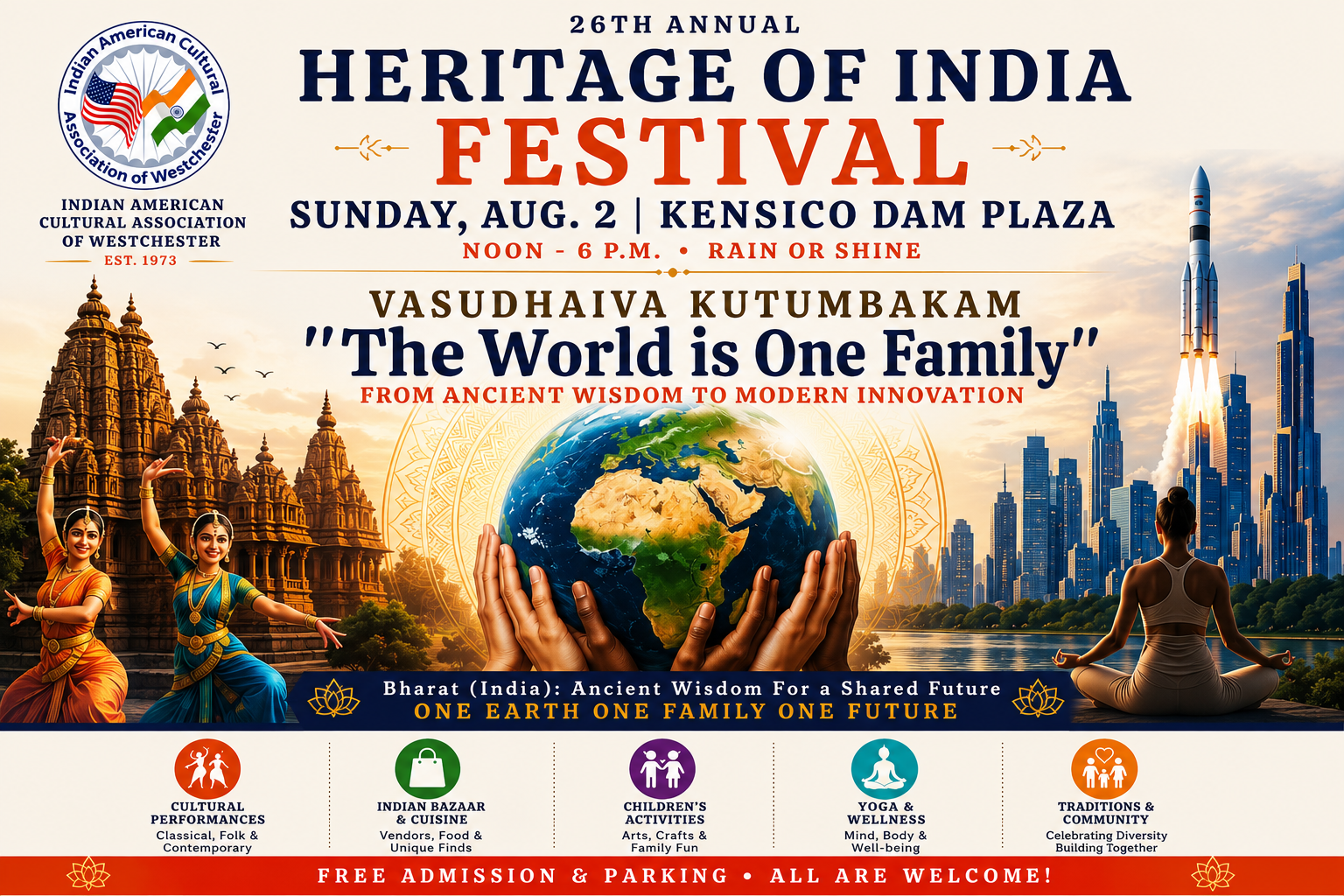
26th Heritage of India Festival Returns to New York
3 days ago
 Culture
Mark Zuckerberg buys 440
3 days ago