
Editorial: Ethical issues with generative artificial intelligence

Digital illustration of robot's hand holding and supporting man who is working on his desk using computer, represent themes of artificial intelligence (AI), the future of work, and the intersection of humanity and technology.
The use of AI in Alternative Dispute Resolution (ADR) is creating quite a buzz. ADR refers to methods such mediation and arbitration to resolve disputes without the use of courts and typically involve a third-party neutral (often a judge, former judge, or experienced attorney) who helps the parties to come to a resolution or decision. Tools like Chat-GPT do amazing things: summarize huge piles of medical records and depositions, write briefs and motions, generate questions for witnesses, generate discovery requests and responses, and develop arguments to be used in court. How does the use of AI affect the ADR’s commitment to neutrality, fairness and trust?
AI is a tool. It is no substitute for critical legal analysis. Plus, attorneys and third-party neutrals should not depend too heavily on AI when citing caselaw or performing legal analysis because AI hallucinates, i.e., makes up facts and caselaw. Monthly, we are hearing of lawyers receiving sanctions from judges all across the county for citing cases from AI that simply do not exist.
Article continues below this ad
On July 29, 2025, the American Bar Association Standing Committee on Ethics and Professional Responsibility issued Formal Opinion 512 regarding Generative Artificial Intelligence Tools. Generative AI (GAI) is AI that can create various types of new content in response to a user’s prompts and questions. The opinion reminded lawyers to be aware of the implications GAI has concerning certain Model Rules of Professional Conduct.
The use of AI implicates many of our Rules of Professional Conduct. For example, Rule 1.1 (competence) is implicated because lawyers and neutrals are required to be competent in the use of technology and should know the benefits and risks associated with the various technologies. In 2025, the American Arbitration Association had a conference that examined how long-standing ethical principles must adapt as technology begins to shape how arguments are formed, evidence is evaluated, and professional judgment is exercised. They should understand how GAI works and how it can produce inaccurate results. Competence requires lawyers and neutrals to adapt their practice to incorporate new technologies. GAI is a new technology and lawyers and neutrals must familiarize themselves with this technology and should incorporate it into their practices if the technology becomes necessary for competent ADR. Rule 1.6 (Confidentiality of Information) is implicated because, in using GAI, a lawyer may share with a third-party confidential information. So, the lawyer may need to get informed consent from his client to share confidential information and the neutral may need to disclose to the parties their use of GAI and get the parties’ permission to use it.
Lawyers and neutrals need to know how to protect confidential information when using GAI. Rule 1.4 (Communications) is implicated because, in using GAI, the lawyer needs to consult with the client about the means by which a client’s objectives are to be achieved. Lawyers need to be transparent with clients about the use of GAI on their matters. Rule 1.5 (Fees) is implicated because, although a lawyer or neutral can charged for the time he uses GAI on behalf of a client, he cannot charge a client for learning how to use GAI. If the use of GAI enables a lawyer or a neutral who bills on an hourly basis to accomplish a task in less than half the time he usually takes, he cannot bill for the time saved but can only bill for the actual time spent on the task. If the lawyer or neutral has a flat fee arrangement, he does not need to account for how long it took him to do a given task.
Model Rules dealing with meritorious claims and contentions and candor to the tribunal are implicated when using GAI produces “outputs that include citations to nonexistent opinions, inaccurate analysis of authority, and the use of misleading arguments.” GAI systems may contain certain biases which can lead to unfair outcomes. GAI systems use data and it is important to make sure that that data is from diverse, reliable, accurate and representative sources. Audits should be regularly implemented of GAI sources to check for bias; if bias is found, it must be addressed.
In ADR, neutrals need to be sensitive to what biases from the use of AI may potentially shape their judgment and thinking.
Finally, Model Rules that deal with supervisory responsibilities are implicated. Lawyers with such responsibilities need to create procedures to ensure all the lawyers in the firm comply with the rules and must supervise subordinate lawyers and nonlawyer assistants. GAI may be used to replace functions typically performed by staff or lawyers. When it is used, the ultimate work product is still the lawyer’s responsibility. Therefore, supervision under the Rules is still required. Training should be provided on the ethical use of GAI. Over 900 lawyers across the country to date have been sanctioned for improperly using AI. Most of the sanctions have to do with made up cases and facts in legal motions and briefs.
The use of GAI is transforming how we practice law. This is an evolving area and lawyers need to be informed about developments in GAI. GAI is a tool that unfortunately can be easily misused if lawyers depend too heavily on GAI and are unaware of their ethical responsibilities in using GAI. In ADR, the ethical use of AI will help advance the goals of neutrality, fairness, and trust. There is great opportunity in the use of AI in ADR, but it should never replace human reflection, nuance, and independent judgment.
Related Stories
 AI News
OpenAI reports 6 new instances of 'concerning model behavior' since March
56 minutes ago
 AI News
NEW BOOK!
56 minutes ago
 AI News
Blue Energy submits first construction application to NRC
1 hour ago
 AI News
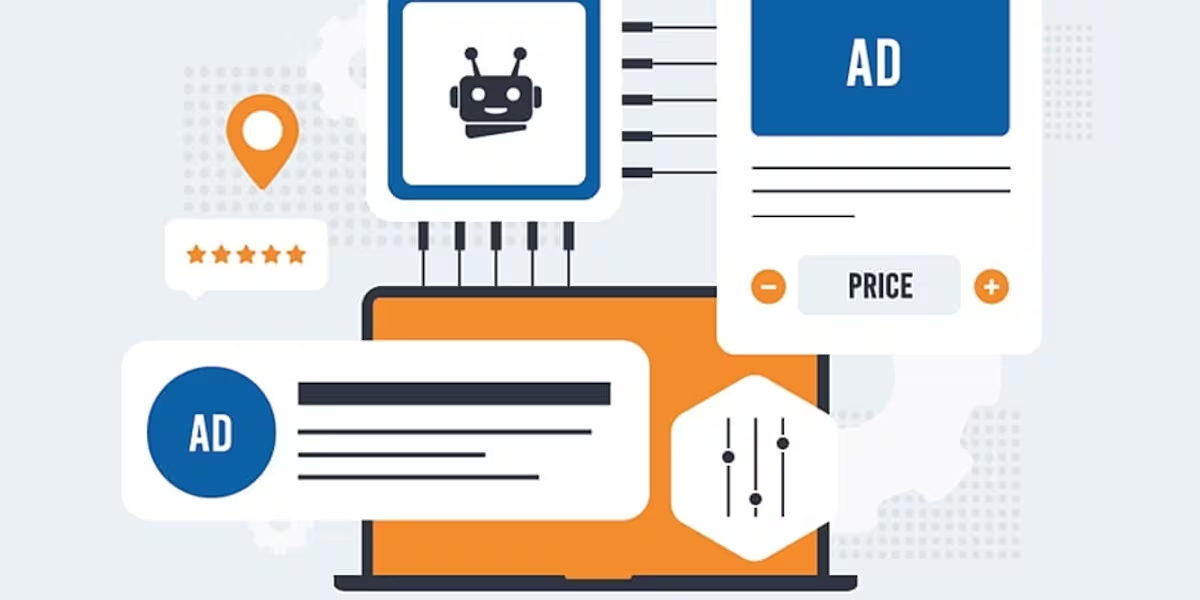
Ads have arrived in ChatGPT: What the future of AI search could mean for brands
1 hour ago
 AI News
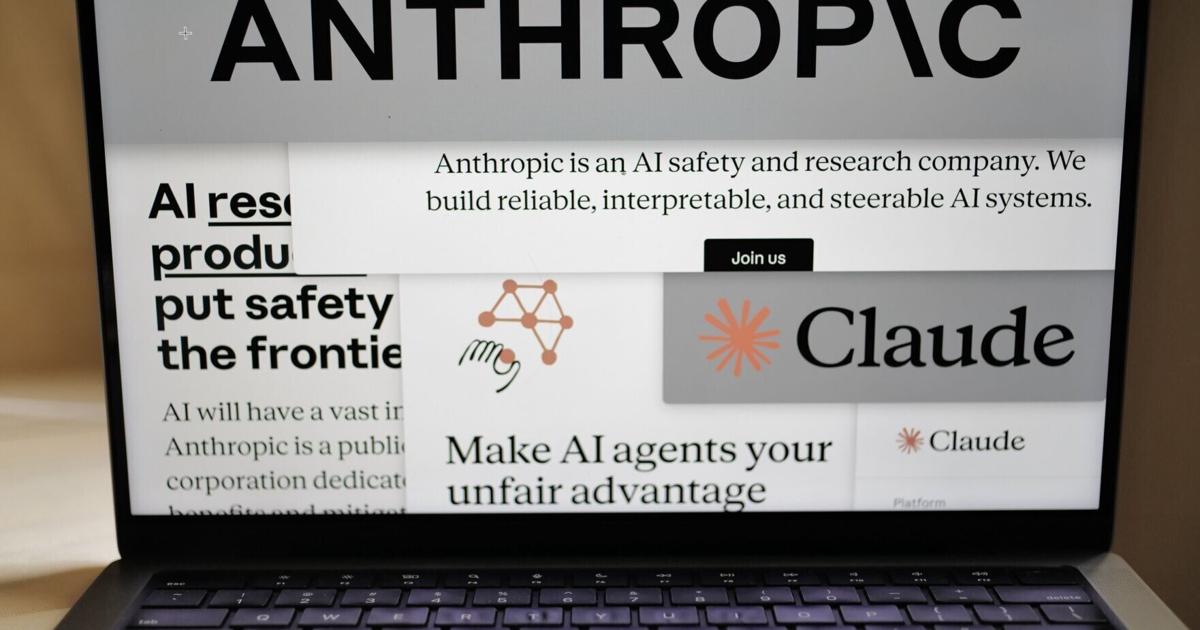
Anthropic wants Claude to analyze your bank account and financial data
1 hour ago
 AI News
Opinion | The very real fears about the rogue behaviour of artificial intelligence
1 hour ago
 AI News
Moving from innovation to impact on artificial intelligence
1 hour ago
 AI News
Faculty Awarded Army Grant to Study Human-Artificial Intelligence Decision
2 hours ago