
'Endometriosis tests would have given me years back'
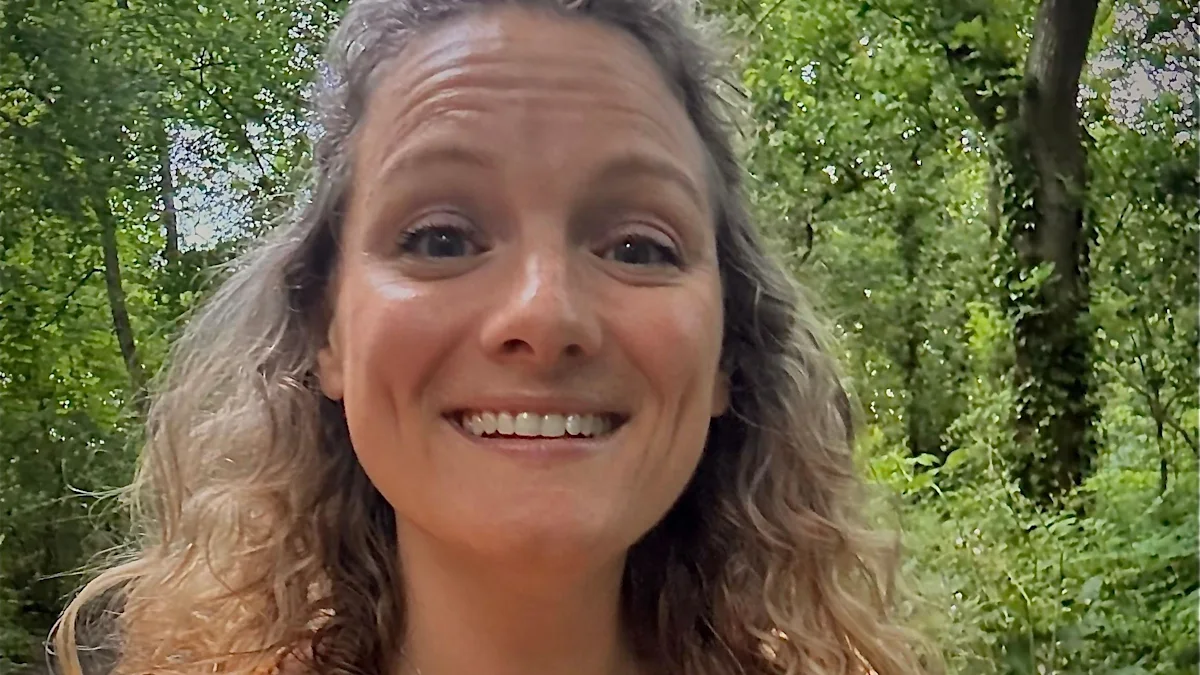
"I was told that my symptoms were just part of being a woman."
These are words that are likely to be familiar to scores of women who have suffered years of seeking a reason for their extreme pain and heavy periods, before finally being told they have endometriosis.
For years, the only way to definitively diagnose the condition - where cells similar to those in the lining of the womb grow in other parts of the body - was through a surgical procedure.
But this week it was announced that rapid, non-invasive, endometriosis tests would be made available on the NHS in England and Wales.
For Zoe Armstrong, 35, from Bristol - who lost two pregnancies, including an ectopic pregnancy that became "trapped" due to her endometriosis - a rapid test could have made all the difference.
She said it was "absolutely amazing" to hear that rapid tests could be made available on the NHS, having been told - like many - that her symptoms "were just part of being a woman".
While she might never know for sure, Armstrong, who now has a daughter, said a simpler test for endometriosis might have caught the condition before her pregnancies.
"There is a little bit of sadness because there are so many people out there who haven't been diagnosed yet, who think they have [endometriosis] and are in this loop," she said.
"Hopefully this will cut their waiting times down."
While Armstrong only discovered her endometriosis after an emergency surgery, others with the condition spent years looking for reasons for debilitating pain.
It took 21 years for Charlotte Hutchings, 36, to get her endometriosis diagnosis, after suffering symptoms from the age of 11.
Hutchings, who helps lead the Gloucestershire Endometriosis Support Group, said rapid testing could have made a "massive difference" to her life, and potentially could have avoided years of "countless doctors, hospital and A&E visits".
"I was just constantly told 'it's in your head'," she said, adding that a major barrier to diagnosis currently had been that the only established route was through costly and invasive surgery.
A report by Endometriosis UK, published in March, found that the average time to get an endometriosis diagnosis was now more than nine years - up from eight years in 2020.
"There are people talking about it, which is brilliant - that's the first step to changing something," said Hutchings.
"But it's still taking nine years to get a diagnosis and there's still not an acceptance of how debilitating this illness can be on women and their families."
New research has also revealed that the condition could be diagnosed by blood test - though further testing is needed before it could be considered as a diagnostic tool available to the public.
Jakia Hussain, 42, from Cheltenham, who co-leads the support group with Armstrong, said she was "cautiously optimistic" about the new tests after 18 years of suffering from symptoms , "as long as they [the NHS] are making it really accessible to all patients and hopefully cutting down diagnosis times".
As a biomedical scientist, she said it was important to look to the data and learn from previous efforts to introduce new diagnostic tests to ensure positive steps forward were taken.
When it comes to improving awareness of the condition and helping young people to spot symptoms early, Hussain said efforts should be made "from the grassroots".
"[We should be] going into schools, talking about period diseases - endometriosis, polycystic ovary syndrome... it would just be good to get more awareness and make it less of a taboo subject. Periods are a normal part of life, we should be talking about it."
"The difference [rapid tests could have made] would have meant years of my life back," said Iona Hall, 30.
After spending six years in pain "every single day", she was diagnosed with Stage 4 endometriosis and was left facing two surgeries and the prospect of fundraising £21,000 to urgently freeze her eggs.
Hall, who has recently moved to the Scottish Borders from Bristol, said she was left "going back and forth to the doctors for years and years, saying 'nothing's working, nothing's helping'."
After her symptoms "skyrocketed", Hall realised herself she might have endometriosis.
"I feel like my whole 20s got taken away from me because I was ill," she said.
"If I could have just gone to the doctors and told them a couple of my symptoms and they [did a test] then my endometriosis might not have go to Stage 4.
"It's affected my fertility - if it could have just been nipped in the bud years ago [I could have] enjoyed my life and I'm sure everyone else [with endometriosis] would feel like that."
Follow BBC Bristol on Facebook, X and Instagram. Send your story ideas to us on email or via WhatsApp on 0800 313 4630.
Two tests GPs can soon offer to help spot endometriosis
Endometriosis could be diagnosed by blood test, research suggests
Emma Barnett: We can't ignore this disease that leaves one in 10 women like me in agony
Women can wait years for an endometriosis diagnosis. New tech could change that
Related Stories
 Technology
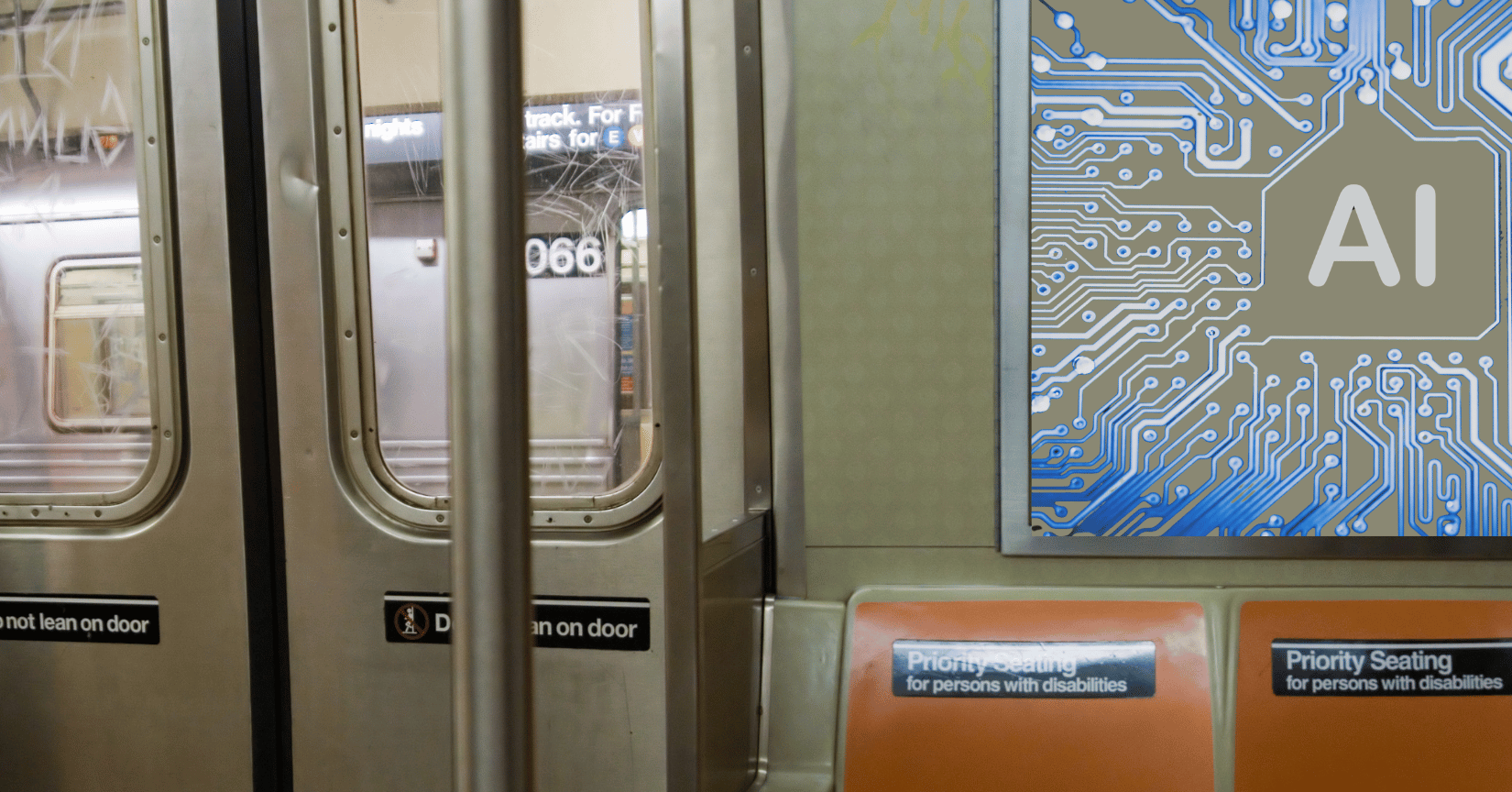
What's up with those weird tech startup ads on the subway?
49 minutes ago
 Technology
Juul gets OK to sell updated vaping device with age-gating technology
1 hour ago
 Technology
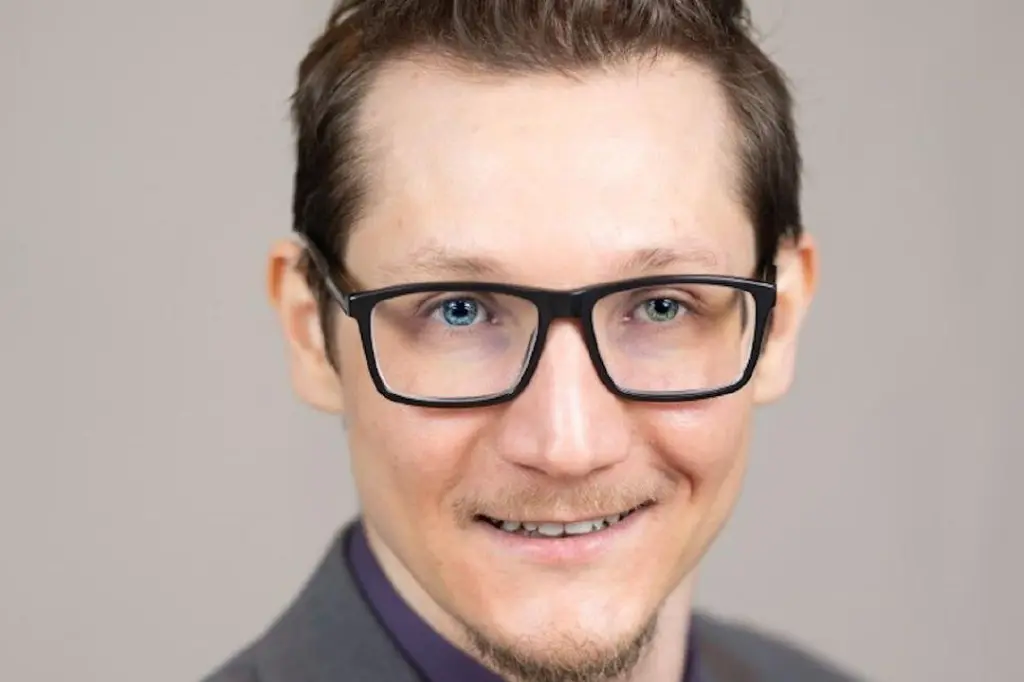
Technology professional Jeremy Klix seeks Abbotsford council seat
6 hours ago
 Technology
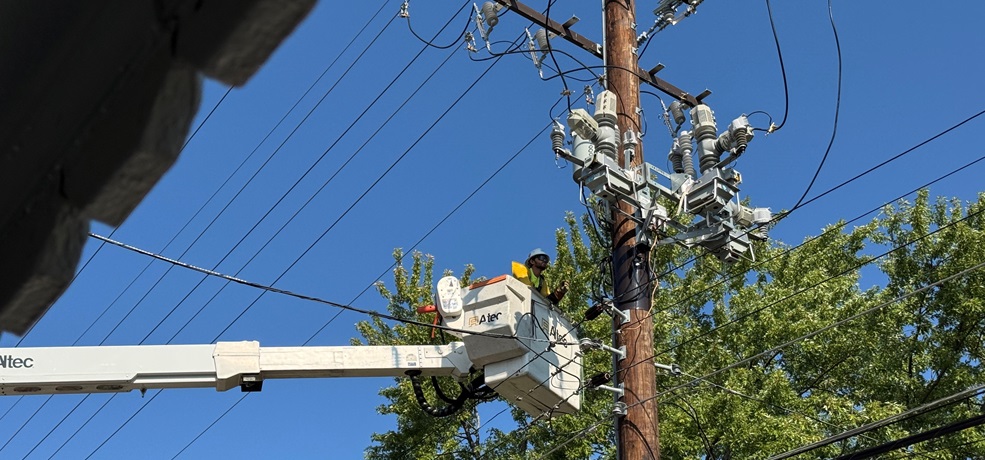
Smart technology restores power automatically during storms and outages
7 hours ago
 Technology
Why Marvell Technology (MRVL) Shares Are Getting Obliterated Today
7 hours ago
 Technology
ONAM Cloud launched to provide enterprise
8 hours ago
 Technology
India, Denmark discuss deeper cooperation in MSME innovation, technology and startups
9 hours ago
 Technology
Biomaterials company Ponda closes crowdfunding round at €1.6 million - shattering their €230k minimum
9 hours ago