
Federal, provincial environment ministers conclude meeting by stressing economic growth
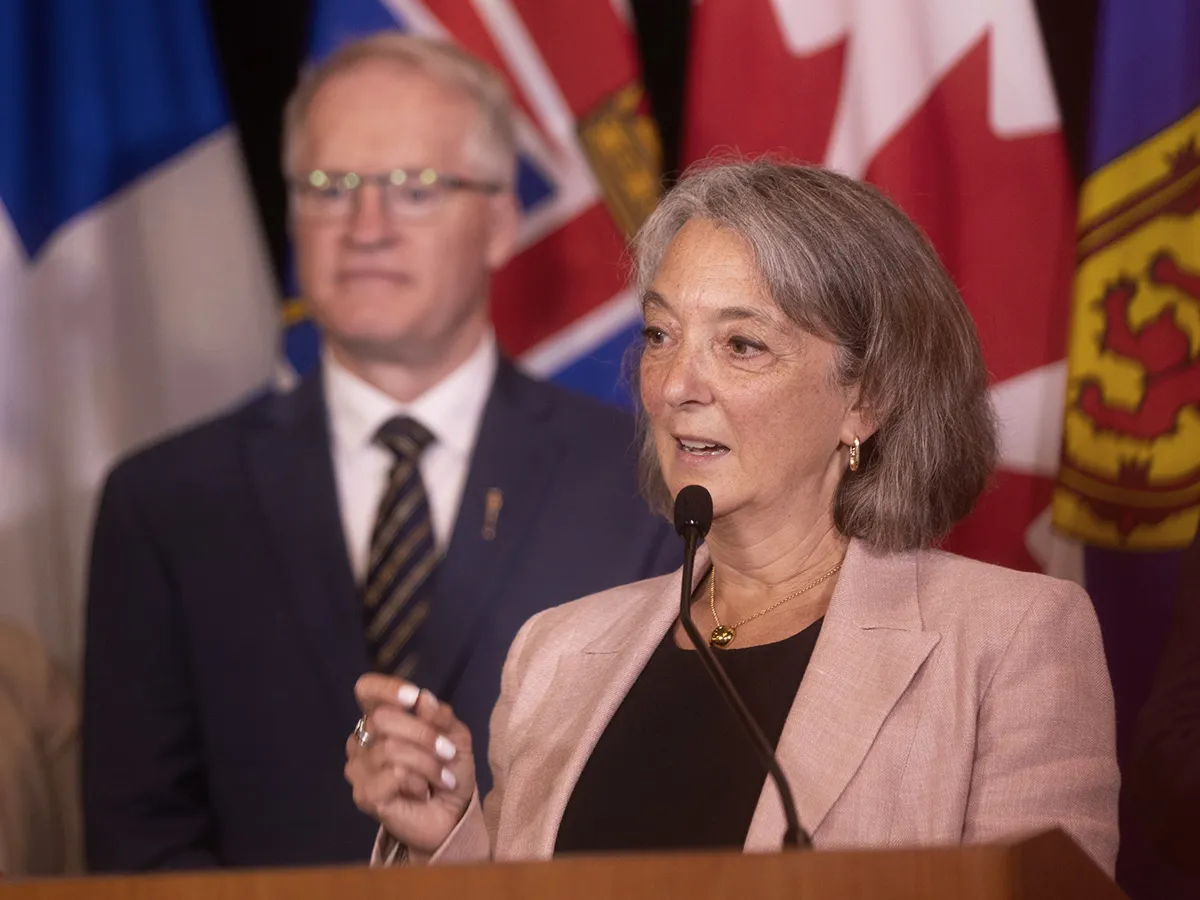
Environment ministers from across the provinces and the federal government wrapped up a meeting in Calgary on Wednesday with a message that conservation policies need to be balanced against the need for economic development.
The spirit of willingness to accept trade-offs between industry and the environment seemed to differ from Canadian Council of Ministers of the Environment meetings under longtime environment minister Steven Guilbeault.
Alberta Environment Minister Grant Hunter said at a press conference at the end of the meeting that his focus was on amplifying a “significant shift in the national conversation” that’s moving governments toward more pragmatic environmental policies that boost, rather than hinder economic activities.
“Not long ago, the economic consequences of environmental policies were too often treated as a separate consideration, or even as something that should not be part of the discussion,” said Hunter
“Today, there is a growing recognition that the decisions we make as environment ministers have major implications for investment, jobs, affordability, competitiveness and Canada’s ability to get major projects built,” he added.
Hunter said that the very location of the annual meeting exemplified this change in thinking, happening as it was in the city headquarters of the oil and gas industry. The fossil fuels sector was previously seen as targeted by the former prime minister, Justin Trudeau, and Guilbeault.
“Meeting (in Calgary) sends a clear message: Canada is ready to build again,” said Hunter.
Hunter was flanked by federal Environment Minister Julie Dabrusin and other provincial and territorial ministers.
Dabrusin said she agreed that growing the economy and protecting the environment should go hand in hand.
“We need an approach … that changes the structure of (the) economy, so that emissions reductions become a feature of economic growth, not a constraint on it,” said Dabrusin.
The two ministers touted co-operation on the environment file, including agreements on the industrial carbon tax and carbon capture in the Canada-Alberta memorandum of understanding, specifically the Pathways Project backed by major oilsands producers that is intended to store emissions underground.
Hunter defended the largely publicly funded multibillion-dollar project as an important component of greater oilsands development.
“What the world is demanding is for us to double production and to be able to do that in a responsible way,” he said.
Dabrusin reiterated the federal government’s goal of getting to net zero carbon emissions by 2050.
The environment ministers also put out a communiqué detailing areas of discussion during the Calgary summit.
Related Stories
 AI News
To screen Christopher Nolan's 70mm 'Odyssey,' L.A. theaters raced to resurrect a nearly lost craft
7 seconds ago
 AI News
No product? No problem. This Disrupt 2026 session shows how to get pre
6 minutes ago
 AI News
US investor Lockheed Martin Ventures commits at least €87 million to Europe as it opens new office in the UK
6 minutes ago
 AI News
Gabon Taps State Guarantee and Huawei to Boost Digital Startups
6 minutes ago
 AI News
Uplinq Named to Newsweek’s America’s Greatest Startup Workplaces 2026
7 minutes ago
 AI News
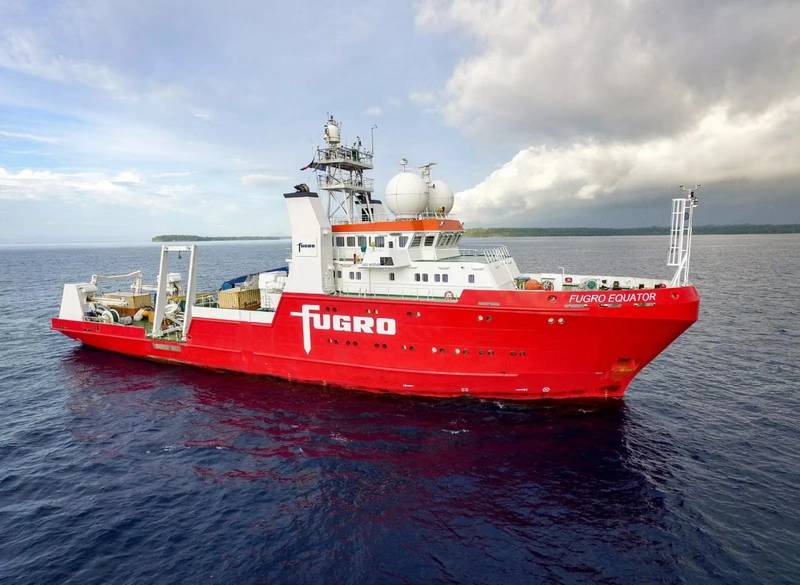
Fugro Secures Timor
8 minutes ago
 AI News
Full text: Keynote speech by Chinese President Xi Jinping at opening ceremony of 2026 World AI Conference
8 minutes ago
 AI News
Franz Inc. Named a 2026 Artificial Intelligence 100 Company by KMWorld
8 minutes ago