
Forgotten micro
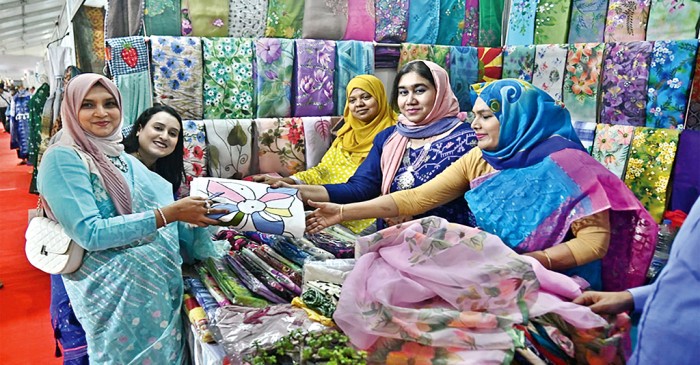
THE most remarkable entrepreneurs in Bangladesh may be the ones we rarely recognise as entrepreneurs. They are the widow who turns a home kitchen into a small catering business after losing her family’s primary breadwinner, the retired teacher who channels decades of experience into a neighbourhood coaching centre to supplement an inadequate pension, and the young person with a disability who reaches customers through an online store after discovering that conventional employment offers few opportunities. Their enterprises are modest, often informal and largely absent from public debate. At their core, they embody the very essence of entrepreneurship by transforming adversity into opportunity through skill, resilience and initiative.
As Bangladesh marks World MSME Day, these stories invite us to broaden our understanding of entrepreneurship itself. When entrepreneurship is discussed in Bangladesh, public attention tends to gravitate towards start-ups, formal SMEs, exporters, industrialists, and corporate success stories. These achievements deserve recognition. However, they represent only one part of the country’s entrepreneurial landscape. Across urban neighbourhoods and rural communities alike, countless micro-entrepreneurs operate quietly beyond public recognition, even though their contribution to livelihoods and local economies is no less significant. For many of them, enterprise is not merely a pathway to income but a means of preserving dignity, independence and a sense of purpose in the face of economic uncertainty.
Among the many groups for whom micro-enterprise serves as a pathway to productive engagement, the growing number of persons with disabilities in Bangladesh offers perhaps the clearest illustration of both the challenges and the possibilities involved. Faced with limited opportunities in the conventional labour market, many choose a different path through self-employment and micro-enterprise. For them, entrepreneurship is not merely a means of earning an income; it is a way of demonstrating capability. Whether operating an online business, a mobile financial services outlet, a tailoring enterprise or a home-based retail venture, these entrepreneurs challenge persistent assumptions that equate disability with dependency. Their experiences offer a broader lesson for policymakers and society alike. True inclusion is not achieved simply through welfare programmes or legal protections; it is achieved when individuals are empowered to participate fully in economic life, create value through their own efforts and contribute to their communities with dignity.
Recognising this potential, several countries have begun to incorporate micro-entrepreneurship into their disability inclusion strategies. In Canada, the Entrepreneurs with Disabilities Programme provides aspiring entrepreneurs with disabilities access to mentoring, business planning assistance, training and financing support, reflecting a shift from welfare-based approaches towards economic empowerment. Similar thinking is gaining traction elsewhere, including in the United Kingdom and Australia. Bangladesh’s growing digital economy, widespread mobile connectivity and expanding culture of self-employment provide a strong foundation upon which a more inclusive micro-entrepreneurial ecosystem could be built for millions of Bangladeshis living with disabilities.
A similar case can be made for Bangladesh’s growing elderly population. As life expectancy rises and traditional family support structures evolve, many older citizens are choosing to remain economically active well beyond retirement age. Some do so out of necessity, seeking to supplement meek pensions or savings. Others are driven by a desire to remain productive and engaged. Across the country, skilled elderly artisans continue to operate small workshops from their homes and communities. Older farmers supplement their incomes through poultry, fisheries and small-scale agro-processing ventures. Others manage neighbourhood grocery shops, home-based catering businesses and small trading enterprises built on relationships and skills accumulated over a lifetime. Their ventures may not generate headlines, but they draw upon decades of experience, knowledge and social capital. In an ageing society, micro-entrepreneurship offers not only an additional source of income but also a means of preserving purpose, independence and social participation.
Recognising the economic and social value of older entrepreneurs, several countries have introduced policies to support enterprise beyond retirement. In Japan, one of the world’s oldest societies, community-based businesses and senior entrepreneurship programmes encourage older citizens to remain economically active and socially engaged. South Korea’s ministry of SMEs and Startups has also established dedicated senior business incubators and retraining initiatives to help retirees start small enterprises, while the United States has promoted ‘encore entrepreneurship’, which supports older adults seeking to launch businesses later in life. For Bangladesh, where life expectancy continues to rise and pension coverage remains limited, policymakers could do more to harness elderly experience and networks through extending support for their micro-enterprises and self-employment.
Perhaps nowhere is the transformative power of micro-enterprise more evident than among widows and single mothers in rural Bangladesh. For many women, the loss of a spouse, family separation or sole responsibility for household income leaves few viable alternatives but to create sustainable livelihoods. Across Bangladesh, countless women operate home-based catering services, tailoring businesses, beauty parlours, handicraft ventures and online retail enterprises, often while simultaneously managing childcare and domestic responsibilities. Their businesses are typically small in scale, yet their impact extends far beyond income generation. They help sustain families, support children’s education and provide a measure of financial security in circumstances that might otherwise lead to economic vulnerability.
Around the world, policymakers increasingly recognise micro-entrepreneurship as a pathway to greater economic independence and resilience for vulnerable women. Rwanda has embedded women’s entrepreneurship within its national development strategy through targeted training, financing, and market-access support, while leveraging the AfCFTA to help women scale their businesses across the continent. Similarly, Indonesia leads the ASEAN region in digital inclusivity, using digital platforms, mobile money, and social media aggregators to help women-owned MSMEs access broader markets. Bangladesh already has many of the foundations needed to build on these successes, including a strong microfinance ecosystem, widespread mobile connectivity, and a growing digital marketplace. The challenge now is not only to expand support but also to create opportunities that enable more people to participate in economic life.
Bangladesh is not starting from scratch in any of these areas. For people with disabilities, government allowances, skills-development initiatives, and growing access to digital platforms have already enabled many individuals to pursue self-employment and micro-enterprise opportunities. For older citizens, community-based livelihood programmes, NGO-supported income-generating activities, and the continued engagement of experienced professionals in small businesses demonstrate the economic potential of active ageing. Likewise, widows and single mothers have benefited from Bangladesh’s extensive microfinance network, women-focused entrepreneurship programmes, and expanding digital marketplaces, which have helped many establish home-based enterprises and strengthen household resilience. These achievements provide a solid foundation. The next challenge is to move beyond fragmented initiatives and build a more coordinated ecosystem that enables these micro-entrepreneurs to grow, formalise where appropriate, and access wider markets and support services.
Whether they are persons with disabilities, elderly citizens, widows, single mothers or others operating on the margins of the formal economy, they should be viewed not as passive beneficiaries but as micro-entrepreneurs with the potential to create value and contribute meaningfully to national development. The true measure of a successful entrepreneurial ecosystem is not simply its ability to create larger businesses, but its capacity to create wider opportunities. In the end, the forgotten micro-entrepreneurs of Bangladesh do not seek charity or sympathy. They seek the opportunity to apply their skills, build livelihoods and realise their potential. The challenge before policymakers is not to create entrepreneurs only but to ensure that those who already exist are no longer forgotten.
Dr Iftekhar Ul Karim is an assistant professor at BRAC Business School, BRAC University.
Related Stories
 Entrepreneurship
3 Questions: A new resource to empower young entrepreneurs
3 days ago
 Entrepreneurship
Entrepreneurship Cell, IIT Kanpur Announces UpStart 2026: Flagship Pitching Event Across Four Major Indian Cities
1 week ago
 Entrepreneurship
I Took a 6
4 weeks ago
 Entrepreneurship
A full circle of entrepreneurship support through ETSU
1 month ago
 Entrepreneurship
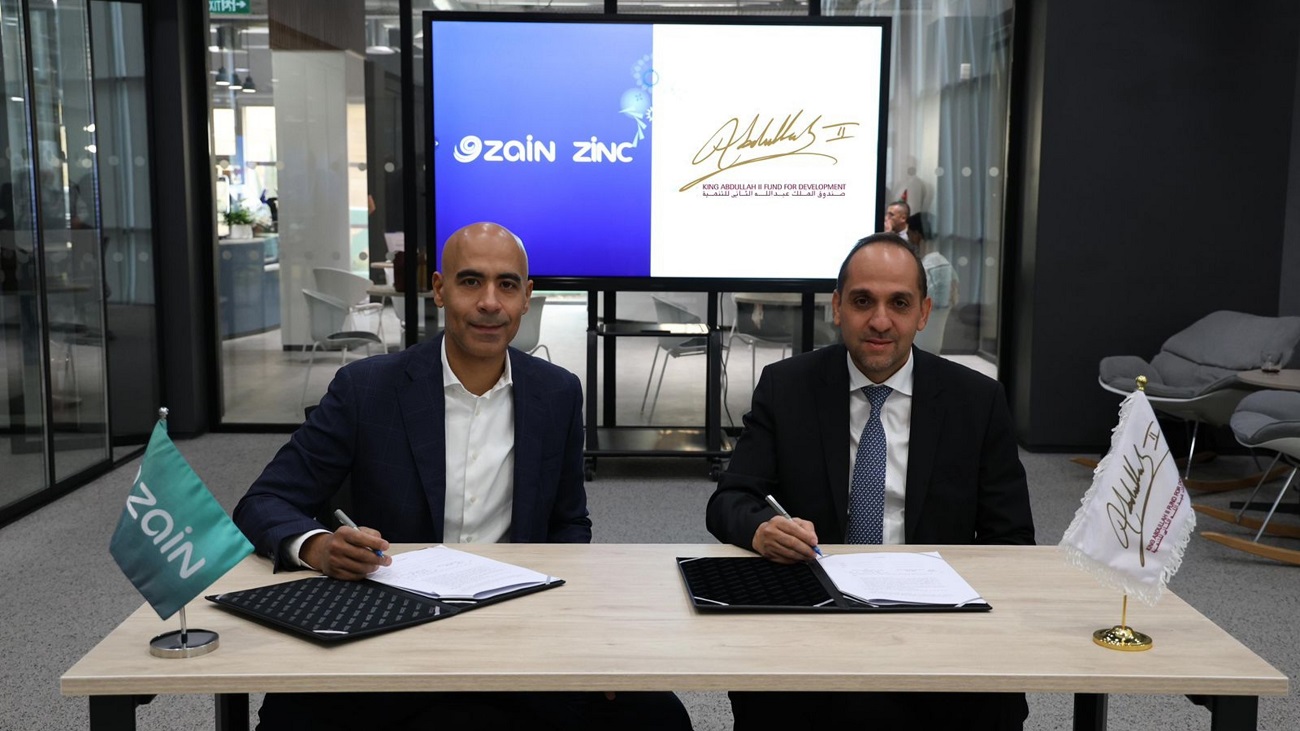
King Abdullah II Fund, Zain Jordan Partner to Launch Joint Entrepreneurship Support Program - Fana News -
1 month ago
 Entrepreneurship
Kerala Agricultural University launches entrepreneurship programme, releases startup grants
2 months ago
 Entrepreneurship
SBA Entrepreneurship Program Under Committee Oversight
2 months ago
 Entrepreneurship
Learn the Entrepreneurship Needed in the AI Era: Jinju K
2 months ago