
From middle
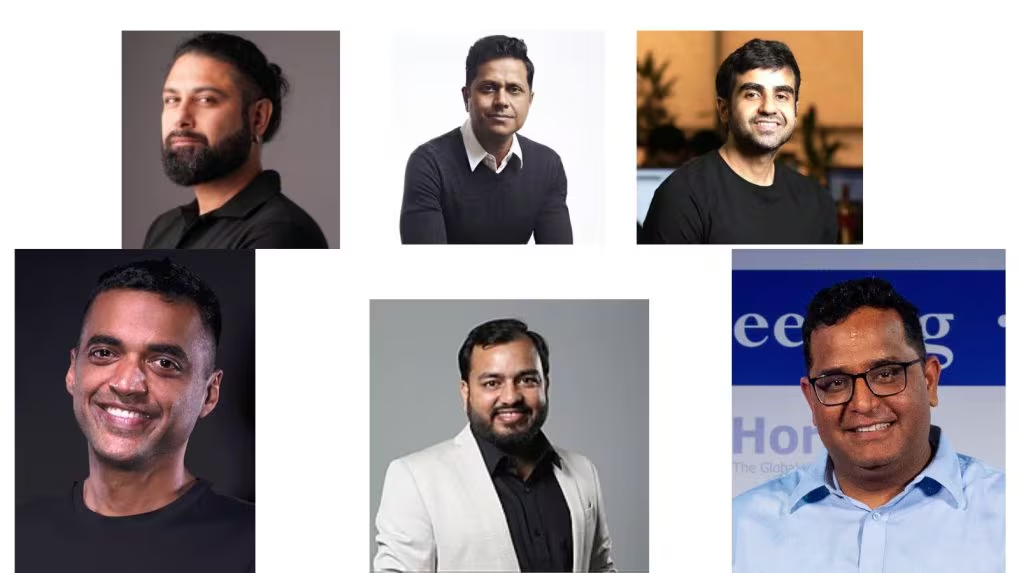
India's startup boom is increasingly driven by first-generation entrepreneurs rather than traditional business families, highlighting a structural shift in the country's entrepreneurial landscape as venture capital and digital infrastructure broaden access to company creation.
The shift is visible across some of India's new-age companies. Eternal Ltd. founder Deepinder Goyal, whose father was a government engineer, built one of the country's largest consumer internet businesses after graduating from the Indian Institute of Technology, Delhi.
Paytm founder Vijay Shekhar Sharma, whose father worked as a school teacher, transformed a payments startup into one of India's largest listed fintech companies.
Zerodha co-founder Nikhil Kamath left formal education early, while PhysicsWallah co-founder Alakh Pandey built one of India's largest edtech platforms without completing a formal higher education degree.
Investors and industry executives say the rise of such founders reflects a broader change in how startups are built and financed.
"The rise of first-generation entrepreneurs shows that India's startup ecosystem has moved from being network-led to opportunity-led," said Shantanu Rooj, founder and CEO of TeamLease Edtech. He said, "Founders no longer need to inherit business families or traditional capital networks to build large companies. They need access to markets, digital infrastructure, talent, funding, and the ability to solve real consumer problems at scale".
Nearly four out of five of India's most influential young entrepreneurs are first-generation founders, according to Avendus Wealth-Hurun India's Series 2025.
As per the report, of the 436 entrepreneurs across Under-30, Under-35, and Under-40 categories, 349, or 80%, built their businesses without coming from established business families.
"Family-run enterprises are no longer the main story. A much larger wave is of self-made founders," the report said, underscoring how India's startup ecosystem has evolved beyond inherited business networks.
The findings come as the Department for Promotion of Industry and Internal Trade (DPIIT) recognized more than 55,200 startups during fiscal year 2026, the highest annual addition since the launch of the Startup India initiative, suggesting entrepreneurship is becoming accessible to a wider cross-section of Indians.
Neha Singh, co-founder of market intelligence platform Tracxn, said founder pedigree has become less important as investors increasingly focus on execution.
"The success of several first-generation founders without elite business school credentials reflects a broader evolution in India's entrepreneurial ecosystem, where execution, domain expertise, and a deep understanding of customer needs are increasingly valued over traditional academic pedigrees," Singh said.
She added that venture capital investors are placing greater emphasis on product-market fit, scalability, technological differentiation, and execution capability than on academic credentials, while improved access to digital infrastructure, startup incubators and funding has lowered barriers to entrepreneurship.
The trend is also reflected in capital flows. Myntra founder Mukesh Bansal and Licious co-founder Abhay Hanjura are among first-generation entrepreneurs who have attracted substantial institutional funding. Myntra raised about $1.1 billion before its acquisition by Flipkart, while Licious has secured roughly $490 million across multiple funding rounds, according to Tracxn.
Industry executives say the changing profile of founders is also influencing hiring. Rooj said entrepreneurs who did not follow conventional career paths are often more willing to recruit candidates based on skills and ownership rather than educational pedigree alone.
The growing visibility of self-made founders is expected to encourage more young Indians to pursue entrepreneurship, although investors caution that tighter funding conditions and increasing competition mean execution remains the key differentiator.
While access to capital has become more selective, Singh said a broader entrepreneurial base could strengthen India's long-term growth by fostering innovation, increasing competition, and creating employment.
As the country's startup ecosystem matures, the rise of first-generation entrepreneurs suggests India's next generation of business leaders may be defined less by inheritance and more by their ability to identify market opportunities and scale them.
Related Stories
 Business
'We're busy with vape and mobile phone customers'
3 hours ago
 Business
When a Bengaluru startup founder met a Gujarati businessman. A 10
4 hours ago
 Business
Hanjin Selected for Successive Government Support Programs for Small Businesses... Offers a "Growth Ladder" for Small Businesses
7 hours ago
 Business
ShuruKar: Your next business could start in your hometown
7 hours ago
 Business
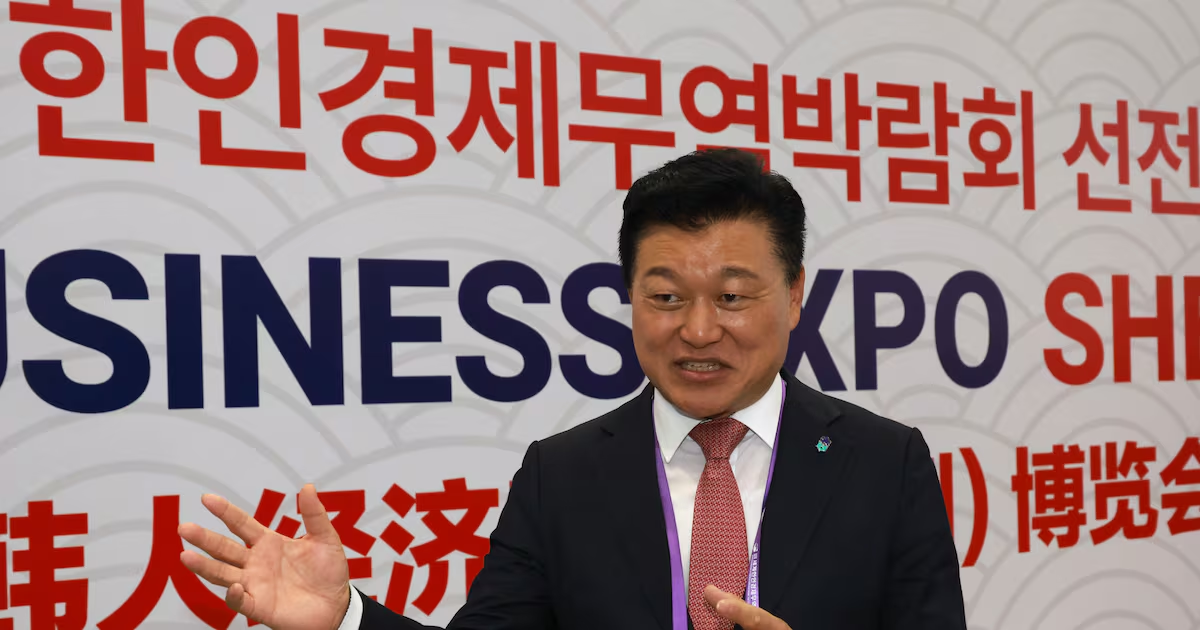
Shin Yong-han drives startup-special Chungbuk to become Korea’s second Pangyo
12 hours ago
 Business
UP cabinet approves startup procurement scheme
15 hours ago
 Business
Meet the German startup giving cooling a magnetic makeover
17 hours ago
 Business
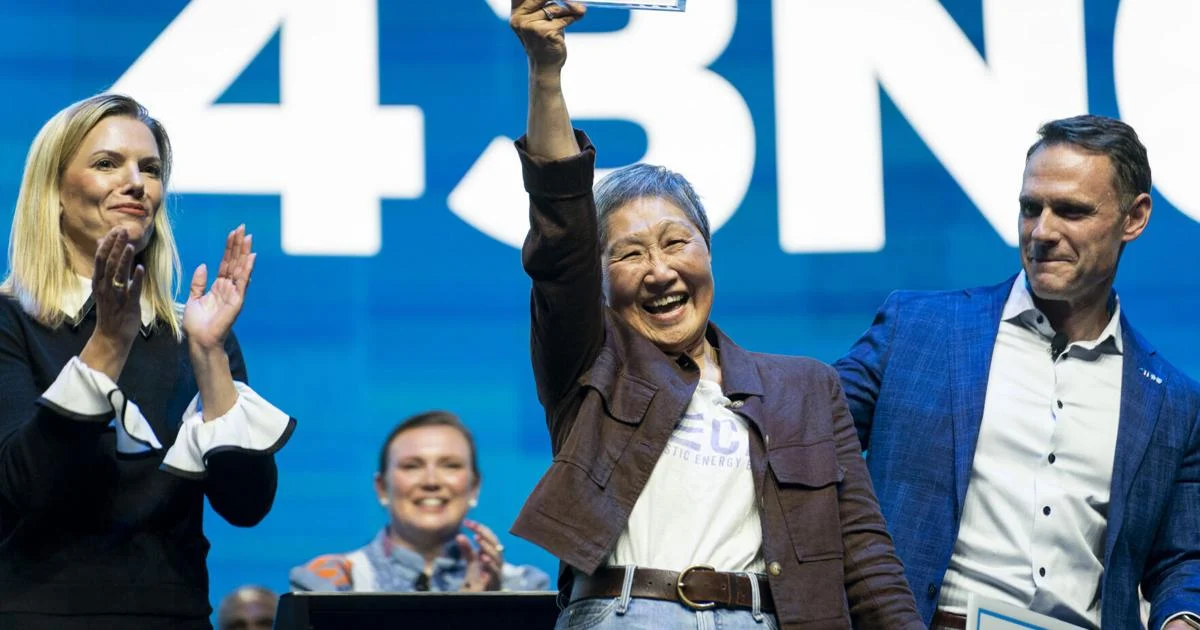
Local startup JECA Energy Bars a hit at 43North finals
20 hours ago