
Geoff Russ: Conservatives have ceded love of Canada to Liberal vanity
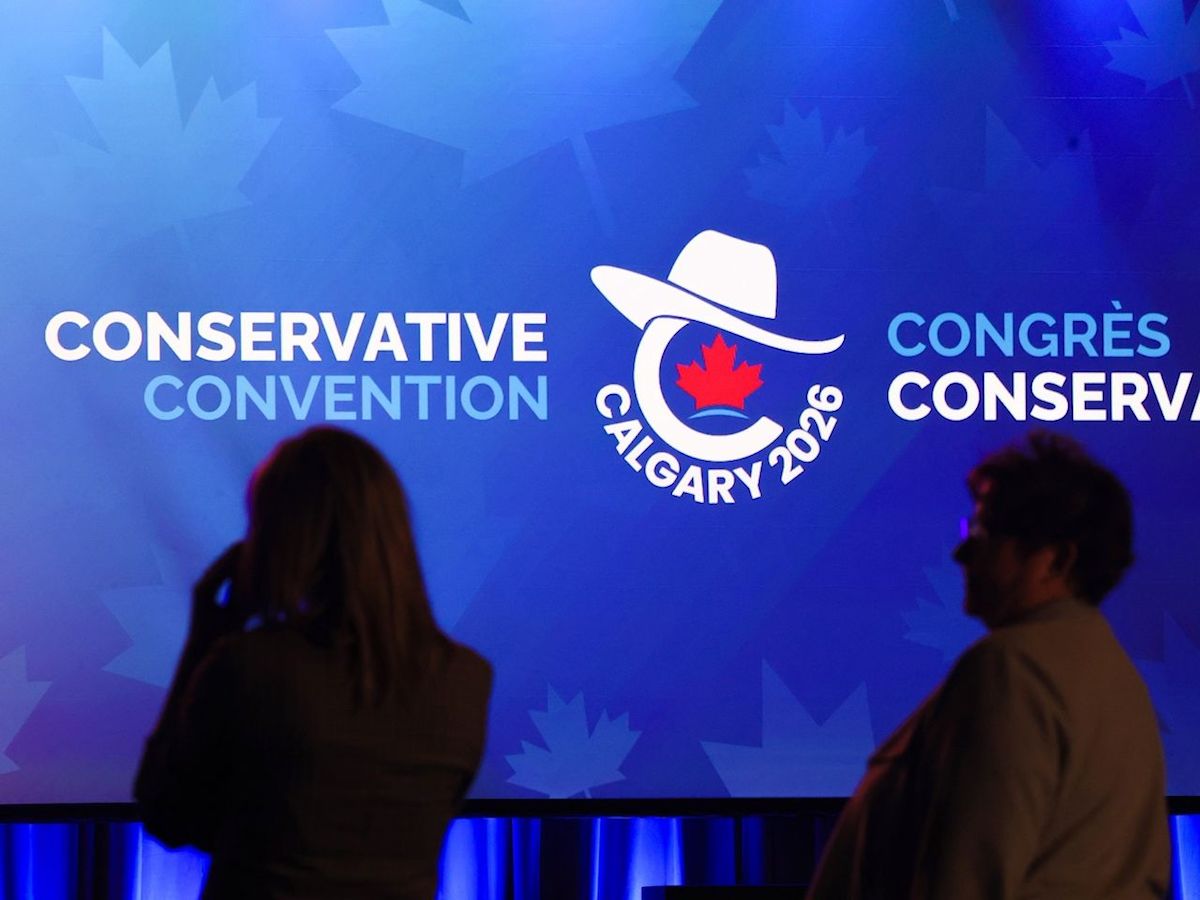
Conservatism in Canada is currently on a remarkable run, and a depressing one.
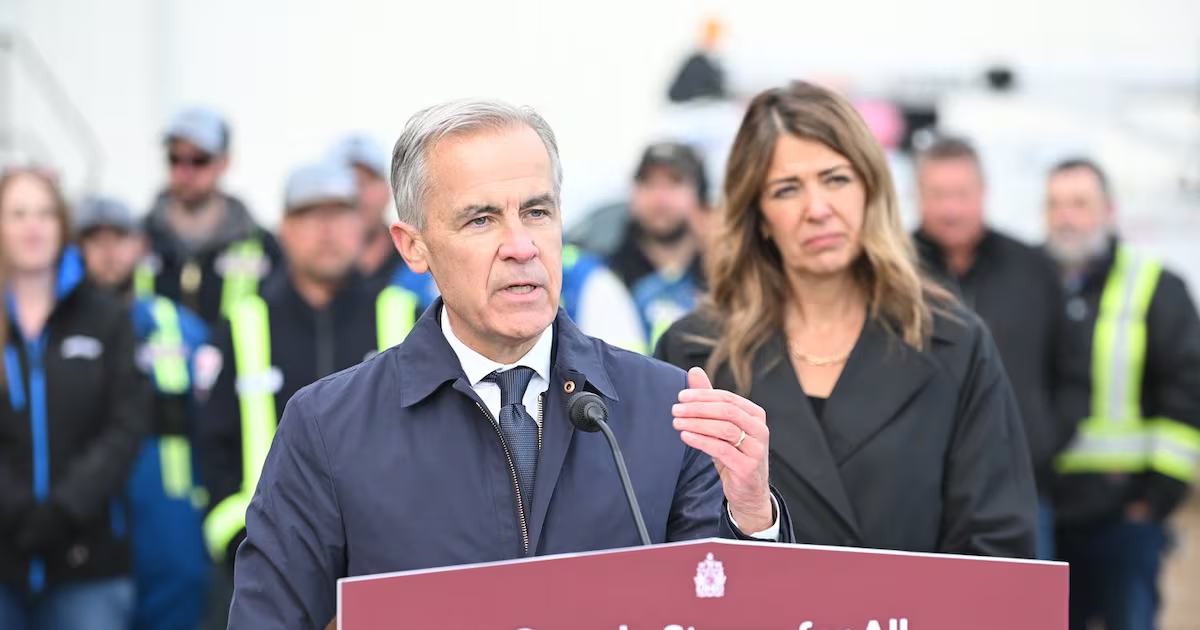
The best lines and policies it has pitched to voters are being appropriated and stolen by the Liberals, altered, and presented to the public as if Prime Minister Mark Carney himself had thought of them.
Pierre Poilievre and other Conservative party figures can try to gloat through the pain and sneer that they are the faction with the best ideas. However, policies are not copyrighted, and the public will not judge Carney for championing an expanded housing supply, accelerated major projects, and stronger national defence, among other plans.
Imitation only flatters the people in power, not the opposition, and Carney is reaping the benefits of his own popularity. He can pick the 2025 Conservative platform clean, without a care in the world, and blend what he takes with his own agenda and the leftovers of the Trudeau government.
It is very possible that the current era of Canadian conservatism, with its genesis in carbon taxes and the pandemic, is winding down as a viable force. In the eyes of an outsider, the Canadian right, or the "movement," is in terminal decline. In the summer of 2024, it appeared to be ascendant both federally and provincially. No longer.
On Monday, the Liberals swept a trio of byelections with majorities in every one, retaining two seats they had won in the 2025 federal election and seizing one more from the Conservatives in Quebec. An August 30 projection from 338Canada has the Conservatives winning just 84 seats if an election were held tomorrow.
Denial, anger, bargaining, depression, and acceptance are the five stages of grief. Those on the right should not waste time on the first four. They've had since April 28, 2025, to accept that the momentum built over the past few years will not produce a Conservative government anytime soon. The wheels have come off the bus, and it is time to start looking for a new vehicle.
To be clear, Poilievre's economic populism has tremendous merit. Indeed, Canada's youth are being crushed by a cartel economic model that greatly benefits the asset-rich, while imported labour and other impediments delay their adulthood and careers.
One of the best things to happen under Poilievre's leadership has been the broadening of the Conservative voter pool, encompassing everyone from frustrated younger voters to blue-collar workers rallying to the Conservative standard. Keeping the tent open to them is essential going forward.
Still, the loss of boomers and other older suburban voters was a crushing blow. Carney and the Liberals still possess another massive advantage: ownership of a largely, semi-fictional version of Canada. When Donald Trump began his rhetorical war on Canada, the Liberals were, for that reason, very comfortable waving the flag, to devastating electoral effect. The recent byelections proved that once again.
The Canadian right is very good at attacking Liberal economics and spending, but is rather hapless when it comes to critiquing the Liberals' national narrative, much less offering a strong alternative.
Canadians are more emotional than they pretend to be. They have a longstanding pattern of somewhat irrationally rallying around the flag, especially when threatened with economic or political absorption into the United States. Being irrational is also not inherently bad. Our attachments to loved ones are not perfectly rational, yet who would question enduring great pain or even shedding blood to protect them? Love of country applies too.
Attacking Liberal vanity with a calculator and tax fact sheets will not displace their strange, administrative nationalism that so many Canadians are inspired by, owing to the lack of an alternative. Nor can the right simply copy and paste the ideals of the American Revolution and graft them onto Canada.
Canada is not a "hotel," a stock market, or a nebulous bundle of "values." Taken together or individually, these are inherently liberal conceptions of what constitutes a people, and the right should move away from trying to craft its own liberal "idea" of Canada.
Properly understood, Canada is the sum of its Canadian people, their Canadian history, and their Canadian sacrifices. There is great value and power there that goes beyond ideology. Currently, Canadians are not even granted legitimacy on their own land if the land acknowledgements recited by the federal government are regarded as the official Liberal position. There is a wider range for Conservatives to pitch a right-of-centre and nationalist alternative for Canada than many think.
How else should they spend their current spell in the wilderness?
During the Trudeau era, one of the right's great coping mechanisms and sometimes-productive distractions were the wave of right-of-centre premiers who emerged. Now?
As recently as the spring, British Columbia promised to become a laboratory of revitalized conservative governance in the wake of a weak, flailing NDP government. All the party needed was the right leader, and it could become the right's political vanguard in the Carney era.
That leadership race was won by Kerry-Lynne Findlay, a former federal MP and cabinet minister under Stephen Harper, whose experience in Ottawa was touted as a great advantage. Three months after her victory, no fewer than nine provincial Conservative MLAs have bolted to become independents, citing poor ethics, coziness with Alberta separatists, and poor relations between the inner circle and caucus.
In Ontario, the Progressive Conservatives have ruled the province with little difficulty since 2018, but Premier Doug Ford seems uninterested in advancing the cause of conservatism with any great vigour. What is electoral success without reform but merely the enjoyment of power?
The best thing the right has going for it right now is the intellectual growth it has undergone since 2020. As Howard Anglin, a veteran of conservative politics, has noted, there are more right-of-centre journals, societies, and networks than ever, all dedicated to debate and strengthening the intellectual fabric of the right. Converting that intellectual growth into political power will be a challenge, but the infrastructure itself is a start.
Waiting for Mark Carney to fail as Liberal leader is a weak strategy that places the fate of the right in the hands of its political foes, as is waiting for Trump to disappear.
The right is not going to magically get stronger. However, it has time, as frustrating as that may be. Rather than using all of it to try and react to every Liberal policy and statement, more of that time should be dedicated to looking inward. Conservatives should become something different, compelling, and inspiring once again, that can stand in any crisis or campaign.
Geoff Russ: Fine, don't trust Carney, but why believe anything Trump says?
Geoff Russ: This is the land of the Canadian people
Related Stories
 Canada
Albertans head to polls in historic referendum on whether they want to stay in Canada
4 days ago
 Canada
In the news today: four soldiers killed, Alberta referendum, AI privacy fears
4 days ago
 Canada
How a grass fire at a Canadian military base killed four soldiers
4 days ago
 Canada
How will household electricity rebate reduction, temporary winter pricing change impact Ontarians?
4 days ago
 Canada
Residents told to boil tap water due to bacteria
4 days ago
 Canada
Oil
4 days ago
 Canada
Albertans vote on path to independence as Carney fights to keep Canada united
4 days ago
 Canada
Two of 4 soldiers killed in fast
4 days ago