
Global experts gather in Sri Lanka for historic first World Congress on Snakes
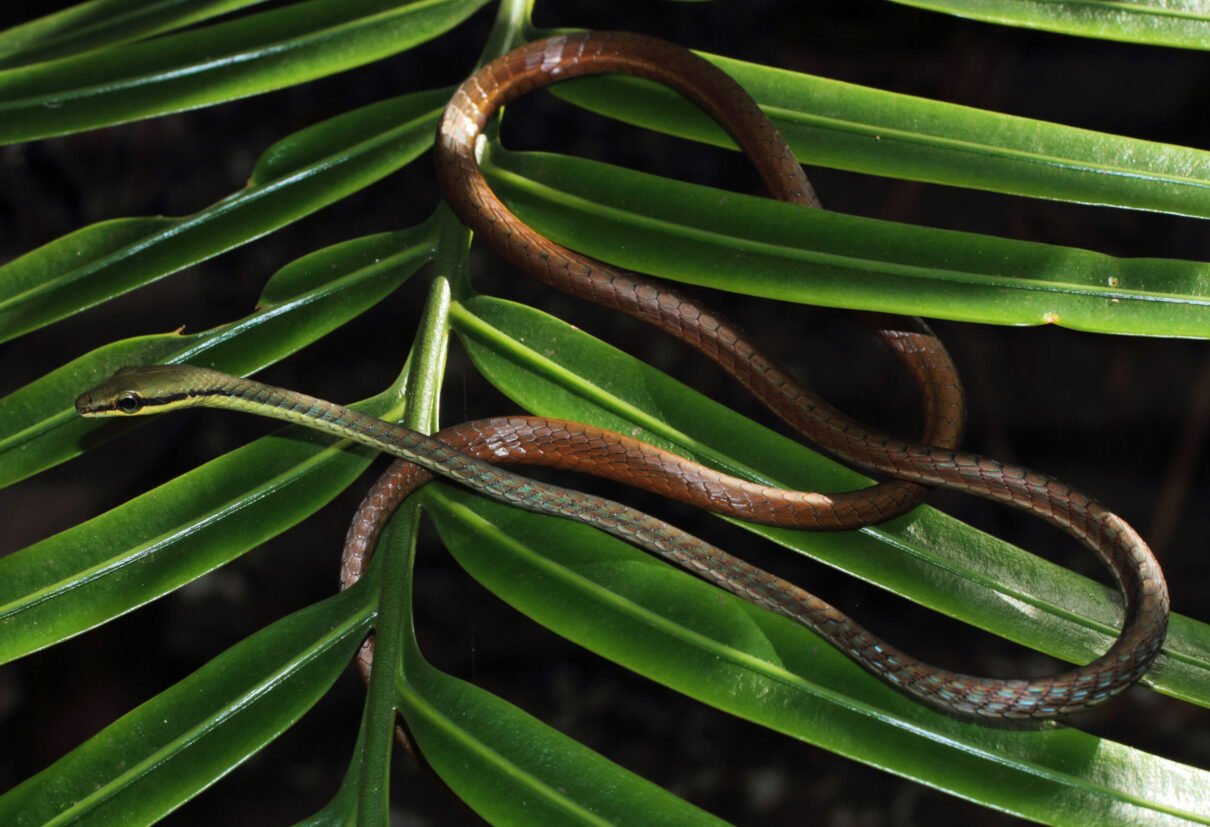
KANDY, Sri Lanka — Sri Lanka’s cultural capital of Kandy will step into the global scientific spotlight from Oct. 1 to 4, 2026, as it hosts the inaugural World Congress on Snakes (WCS 2026). Taking place at the Grand Kandyan Hotel, the congress is a landmark event, marking the first international conference dedicated entirely to snake biology, conservation and public health.
More than 400 delegates from 25 countries, including more than 300 international scientists, ophiologists — experts in the branch of zoology concerned with the study of snakes — and medical experts, are expected to attend the four-day event on the Indian Ocean island. They will be joined by more than 100 local researchers to address critical ecological challenges and the rising global crisis of snakebite envenomation.
Sri Lanka was chosen as the host nation owing to its extraordinary and unique reptilian diversity. The island is home to 112 snake species, more than 63 of which are endemic and found nowhere else on Earth.
“This congress establishes Sri Lanka as the epicenter of global snake research and conservation policy,” said Anslem de Silva, congress chairperson and a global authority on herpetology.
For decades, snake research has been marginalized within broader herpetological forums and the WCS 2026 aims to provide a dedicated, standalone platform for these ecologically vital yet deeply misunderstood reptiles.
“The world’s first international conference dedicated to snakes is vital to take forward scientific conversations on snake biology, conservation and human-snake conflict,” de Silva told Mongabay. “It will be an opportunity for Sri Lanka, a country rich in snake diversity, to highlight its own expertise while helping move the conservation from fear and folklore toward science and conservation.”
A primary focus of the four-day congress is the delicate, often volatile relationship between humans and snakes. Beyond ecological studies, a major track will cover snakebite management and toxicology. Snakebites remain a severely neglected tropical disease, killing more than 100,000 people annually worldwide and causing permanent disabilities to thousands of people worldwide.
Leading researchers, including WHO advisors such as Naoual Oukkache, will discuss translational research and the development of more effective antivenoms. Organizers emphasize that bridging high-level biodiversity science with practical clinical protocols is essential to save human lives while simultaneously protecting dwindling snake populations.
The deliberations will be held under 12 themes ranging from snake biology and chemistry to policies for human coexistence with snakes. These include understanding snake diversity through time and lineage reconstruction; field-based understanding of snake behavior, ecology and interactions; global perspectives on snakebite, safeguarding snakes and their habitats under global pressure and management of captive snakes for research, conservation and welfare.
The series of symposia will feature a mix of traditional field ecology and next-generation technologies with key discussions focused on AI and citizen science, conservation genomics and climate challenges.
The four-day conference will also feature extensive field excursions, taking the international delegates deep into Sri Lanka’s rainforests and dry zones to observe endemic species in their natural habitats.
For centuries, snakes have battled deep-seated cultural stigmas. By placing global media attention on Kandy, organizers hope the congress can advance an agenda of coexistence.
Banner Image: Wickramasinghe’s bronzeback (Dendrelaphis wickrorum) is a wet zone snake described in 2020. Image courtesy of L. J. Mendis Wickramasinghe.
Related Stories
 World
World
U.S. trade court scrutinizes Trump’s forced labour tariffs
1 hour ago
 World
World
Russia warns NATO of a possible nuclear response if Kaliningrad is cut off
2 hours ago
 World
World
G20 trade ministers are meeting in Wisconsin. Many will be discussing deals without their U.S. host
3 hours ago
 World
World
FHS World 2026: Hospitality’s next era will be built on investment, wellness, technology and people
3 hours ago
 World
World
How did the RAF Fairford incident go from 'suspected bomb plot' to police bail?
4 hours ago
 World
World
Trump administration considers scaling back border project in Texas' Big Bend National Park
5 hours ago
 World
World
Inside the Ukrainian military unit training fighters from China
5 hours ago
 World
World
How Europe’s housing crisis is fuelling a new movement
6 hours ago