
Groceries are up 29% in five years, and economists warn the real price hikes start after Thanksgiving
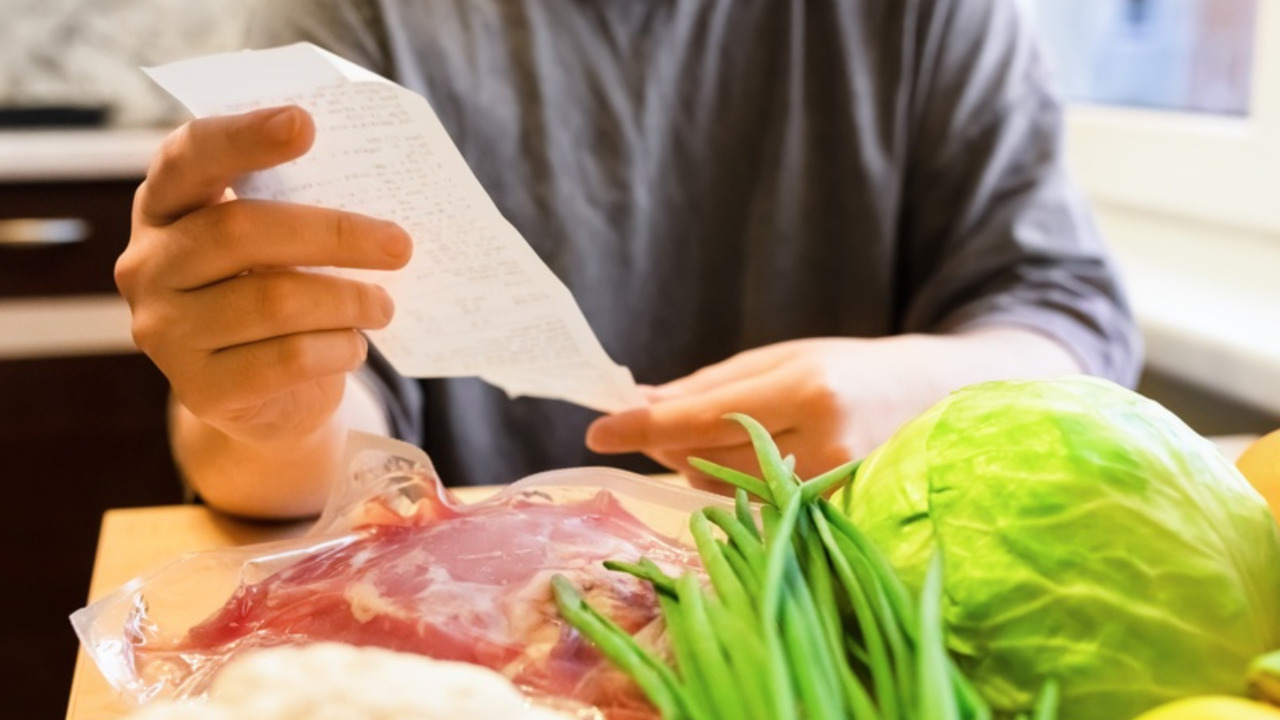
A cart of groceries that cost $100 five summers ago now rings in at roughly $129. Just as grocery prices were finally starting to level off, economists warn that the next wave of price hikes could be waiting right around the corner after Thanksgiving dinner.
The pressure point is diesel, the fuel that moves food by truck and ship from farms and ports to store shelves. A global energy shock is driving diesel prices sky-high, and food experts warn we could see those extra costs hit grocery bills right as Canada’s harvest season wraps up.
By signing up, you accept Money.ca Terms of Use, Subscription Agreement, and Privacy Policy.
For stretched households, there may be a short window to rethink how — and what — you buy before winter prices catch up.
Why are grocery prices still climbing if inflation is cooling?
Grocery inflation eased to 2.8% in August, according to Statistics Canada. That’s the first time in more than two years it came in below the overall inflation rate.
Remember that slowing inflation doesn’t mean prices are dropping; it simply means they aren’t rising as fast. In August, grocery prices were 29% higher than five years earlier, according to StatCan, with beef and coffee among the biggest jumps.
“We’ve seen this cumulative effect of price increases over time that has built this sustained pressure on Canadian households,” Mike von Massow, a food economist at the University of Guelph, told The Canadian Press.
Join 20,000+ readers and get Money.ca’s best stories and exclusive interviews first — clear insights curated and delivered weekly. Subscribe now.
How does a 75% jump in diesel end up in your grocery cart?
StatCan data shows diesel prices were up a massive 75% year-over-year in August. The war in Iran and the closure of the Strait of Hormuz have choked off oil shipments and disrupted global fertilizer supplies.
In summer, more staples come from Canadian farms, which keeps shipping costs down. That buffer disappears as the weather gets colder and we start relying more on imported food from the U.S. and overseas. Fresh veggies travelling long distances in refrigerated trucks will probably take the hardest hit.
“Thanksgiving is all about celebrating what we’re producing in Canada,” von Massow said. “So it is the price increases we’ll see beyond Thanksgiving that I think we need to pay attention to.”
What else could push food prices higher this winter?
Randall Bartlett, deputy chief economist at Desjardins, told Canadian Press that a strong loonie earlier this year and Ottawa’s removal of counter-tariffs in September 2025 helped ease grocery prices.
But the Canadian dollar has taken a hit against the U.S. dollar recently, which only makes bringing goods across the border even more expensive. A renewed trade dispute has also brought Canadian retaliatory tariffs on some agricultural parts and machinery — a new cost for farmers heading into harvest.
Trump alleges secret Canadian tariffs
B.C. senior loses $1.7M to bank scam
What a longer trade war means for you
U.S.-Canada trade talks stall on tariffs
NHL on CBC is gone: what fans pay now
“We think there is a confluence of forces that’s likely to lead food inflation higher going forward,” Bartlett said.
Grocers try to hold prices steady, and many transportation contracts are set months in advance, Michael Mulvey, a marketing professor at the University of Ottawa, told CP. Because of that lag, higher costs take a while to hit store shelves — and take even longer to disappear.
Read more: 3 essential money moves to make once you’ve saved $50,000
Who will feel the squeeze first?
Lower-income households are bearing the brunt, according to Amar Singh, head of Canadian retail insights at Kantar, a global market research firm, told Canadian Press. “Their wages haven’t kept up with the increase in prices. That erodes their disposable income,” he said.
A turkey dinner with all the fixings for four is expected to cost $35.72 this Thanksgiving, up 10% from $32.48 last year, according to Dalhousie University’s Agri-Food Analytics Lab, a research group that tracks food prices.
The goal isn’t to panic-buy but to use the next few weeks wisely.
Price increases aren’t guaranteed, especially if oil prices soften or the Canadian dollar recovers. However, the underlying risks are growing, and taking small preventive steps now will save you from a major headache later.
The most expensive financial mistakes are often the ones you don't see coming. Join 19,000+ Canadians who get the money moves, risks and opportunities shaping their finances — delivered free each week. Subscribe now.
Amy Tokic is an SEO content editor for Money.ca. She holds a B.A. in Communications from the University of Windsor. Amy is an award-winning author and has been writing professionally for 15 years, publishing articles in the lifestyle and health sectors.
Paying full price for Lululemon or Canada Goose? Why Canadians are turning to brand resale programs to save on gear
Canada lost 68,000 jobs last month: What it means for the economy (just before the Oct. 28 Bank of Canada decision)
Related Stories
 Canada
Montreal police investigating possible arson of vehicle in Dollard-des
34 minutes ago
 Canada
Category 4 Hurricane Simon barrels toward Mexico
34 minutes ago
 Canada
Siksika First Nation death deemed suspicious by RCMP
35 minutes ago
 Canada
Neither Putin nor Trump wanted to hang up first, Kremlin aide says after ‘very friendly’ call
1 hour ago
 Canada
Fifth beluga whale has died following rescue from Marineland
1 hour ago
 Canada
2 dead in plane crash near Fergus, Ont., Friday morning
1 hour ago
 Canada
At least 4 dead after Hurricane Isaias makes landfall
1 hour ago
 Canada
Christa Pike, who survived an execution attempt, is discharged from hospital, attorney says
2 hours ago