
Harley-Davidson becomes unlikely flashpoint in Canada
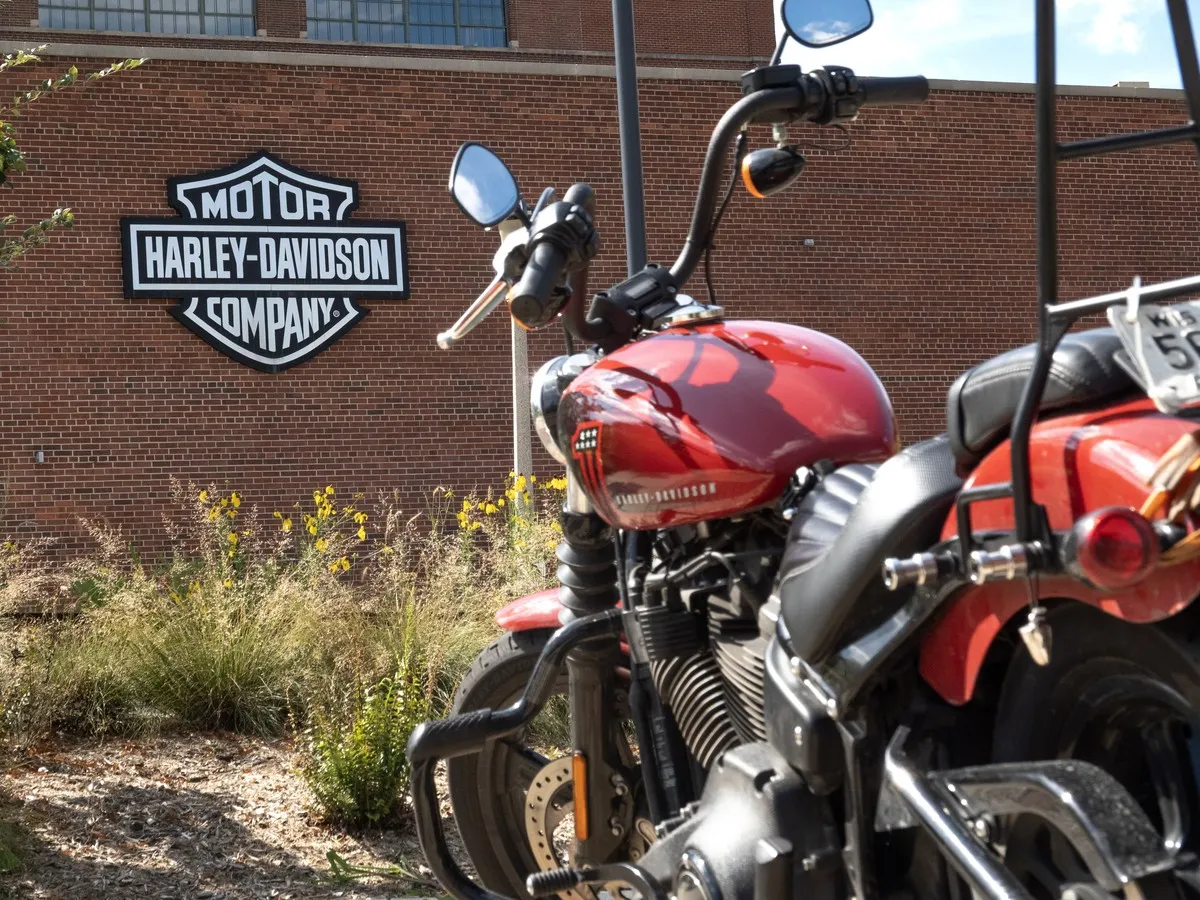
WASHINGTON, D.C. — Few brands symbolize American freedom and rebellion quite like Harley-Davidson.
The 123-year-old company is headquartered in Milwaukee and operates its largest U.S. manufacturing plant in York, Pennsylvania. Amid U.S. President Donald Trump’s global tariff campaign — aimed at reshoring production to American shores — Harley-Davidson announced in June that it would return production of some products from Thailand to U.S. facilities.
That announcement came before the U.S. administration announced the Section 301 and Section 338 tariffs, and before Ottawa unveiled its retaliation against those measures and earlier Section 232 tariffs on steel and aluminum. If Canada implements duties on September 8, as planned, it would introduce a 50 per cent tariff on U.S.-origin motorcycle imports to Canada larger than 800cc with internal-combustion engines.
Ottawa said its list of tariffs was crafted to protect the “domestic market share for Canadian companies,” rather than to target politically sensitive products in U.S. battleground states ahead of November’s midterms, but affecting Harley motorcycles could have political implications in at least one swing district: Pennsylvania’s 10th, a highly competitive congressional seat.
While the Canadian tariff does not name Harley-Davidson, it is expected to cover many Harley models made in the United States. So while the company is being held up as evidence that Trump’s tariff strategy can bring manufacturing back to the United States, Canada’s 50 per cent tariff on motorcycles could test whether reshored factories can thrive when a major trading partner makes its products more expensive.
Canada accounted for roughly five per cent of Harley-Davidson’s global retail motorcycle sales last year, with 6,434 motorcycles sold north of the border. That means the tariff’s direct effect on the company may be limited — but its political symbolism could be larger.
“If production is reshored to the United States, then what form does it get reshored?” asked Alfredo Carrillo Obregon, a trade policy analyst at the Cato Institute. “How many jobs are you actually creating? What kinds of jobs are you creating?”
“If there is to an extent a certain reliance on Canadian parts … the fact that this product is tariffed and the fact that some inputs could be tariffed … could affect the prospect of reshoring it more extensively and creating jobs,” he said.
Harley said the move would return machining, powertrain assembly, painting and final assembly for its Revolution Max platform to U.S. facilities serving the North American market. Production is expected to begin as early as next year, and the company says the move will support “dozens of additional American manufacturing and union jobs.” It has not said how many net new jobs will be created.
Related Stories
 Canada
Gregor Robertson challenged on the Broadway Construction project
49 minutes ago
 Canada
‘We’ve been so worried’: Another B.C. couple missing after Nepal flash flooding
49 minutes ago
 Canada
'Preposterous': Lawmakers Reject Trump's Renaming of Lake Ontario Amid U.S.
50 minutes ago
 Canada
CBC reverses policy against calling 9/11 a terrorist attack without attribution
50 minutes ago
 Canada
Trump announces sweeping U.S. grab for control of Venezuela’s vast oil reserves
1 hour ago
 Canada
Charette says Canada consistently raised auto industry in U.S. trade negotiations
2 hours ago
 Canada
'Her impact was nationwide': B.C. NDP MLA Joan Phillip dead at 74 | CBC News
2 hours ago
 Canada
What went wrong with U.S. trade talks, according to Canada’s chief negotiator
2 hours ago