
Hasina not allowed to use Indian soil for politics
Hasina not allowed to use Indian soil for politics
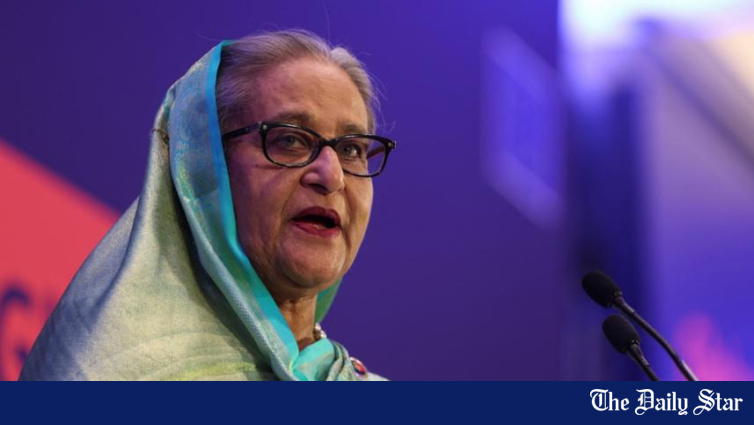
India has reiterated that Bangladesh’s ousted prime minister Sheikh Hasina has not been allowed to use Indian territory for any political activities.
It also said Bangladesh’s request for her extradition is currently under consideration by the competent authorities and is being processed in accordance with the applicable legal framework, with no final decision having yet been taken.
The position was stated in the Indian government’s response to the 9th report of the Parliamentary Standing Committee on External Affairs, which was tabled in the Lok Sabha on Thursday.
The committee, chaired by Congress MP Shashi Tharoor, reviewed the future trajectory of India-Bangladesh relations and sought updates on a series of recommendations.
It states that India has consistently adhered to the principle of not allowing its territory to be used for political activities directed against another country, and that the same policy has been maintained in Hasina’s case.
Hasina has been residing in India since August 5, 2024, after being ousted in the wake of a student-led mass uprising. On many occasions, statements are being issued in her name, and she has given interviews to various media outlets.
The standing committee report also explains New Delhi’s position on Hasina’s continued stay in India.
It says providing refuge to individuals facing an imminent threat to life or extraordinary humanitarian circumstances is consistent with India’s long-standing civilisational values and humanitarian traditions. It was on that basis, the government said, that Hasina was allowed to remain in India.
The standing committee recommended that the government continue to balance humanitarian considerations with international obligations, legal commitments, and diplomatic sensitivities while dealing with such matters.
It had sought clarification on the status of the extradition request following the pronouncement of a death sentence against Hasina in absentia.
As of July 31 this year, New Delhi has made no fresh policy announcement on the extradition request. Diplomatic observers in the Indian capital and reports in sections of the Indian media suggested that the document tabled in parliament largely formalises the government’s existing position rather than signalling any policy shift.
Earlier, India’s External Affairs Ministry Spokesperson Randhir Jaiswal at a media briefing said India had received Bangladesh’s request and that it was being examined through the due legal process.
In November last year, in its first judgment on crimes against humanity committed during the July uprising of 2024, International Crimes Tribunal-1 sentenced Hasina to death.
She was found guilty of incitement, abetment, inaction, conspiracy, and superior command responsibility that led to the murder and torture of protesters countrywide.
A total of 663 cases have been filed against her nationwide over incidents during the mass uprising. Of these, 453 involve murder charges, according to a Transparency International Bangladesh (TIB) report titled “One and a Half Years after the Fall of Authoritarianism: Expectations and Outcomes”, released in February this year.
Related Stories
 India
India
Bangladesh PM's Diplomatic Trip to India: A New Era in Bilateral Relations
8 hours ago
 India
India
‘Punjab needs politics of principles, not power’: Giani Harpreet Singh
9 hours ago
 India
India
Strained Ties: Bangladesh's Tarique Rahman Awaits India Decision
9 hours ago
 India
India
Youth Protests Signals a New Politics in India
9 hours ago
 India
India
Will Harry's return heal deep
10 hours ago
 India
India
Tarique Rahman’s Diplomatic Mission: Bridging Bangladesh
10 hours ago
 India
India
'Engaging in politics of anarchy': BJP slams Rahul Gandhi over dharna at police station
10 hours ago
 India
India
Will Harry's return heal deep
10 hours ago