
How majoritarian politics is reshaping India's democratic discourse?
The rise of majoritarian politics in India has generated significant debate among political analysts, constitutional scholars, and policymakers.
Democracy is based on majority rule, but constitutional democracy requires that the exercise of majority power remain constrained by constitutional principles, including equality before the law, protection of fundamental rights, judicial independence, and minority protections.
Majoritarianism becomes a concern when electoral majorities seek to define national identity primarily in terms of the cultural, traditional, religious and ethnic characteristics of the majority community, rather than the constitutional principle of equal citizenship.
In democratic systems, electoral victories confer the authority to govern but do not provide unlimited power Constitutional democracies are designed to ensure that governments remain accountable to legal and institutional authorities and public institutions, regardless of their electoral strength.
Consequently, the quality of democracy depends not only on electoral competition but also on the protection of civil liberties, the independence of institutions, and the ability of minorities and opposition groups to participate effectively in political life.
India continues to conduct regular, competitive elections and maintains a constitutional framework that guarantees fundamental rights and political participation. Nevertheless, several international democracy-monitoring organisations and academic studies have identified concerns regarding declining institutional autonomy, restrictions on civil liberties, pressures on independent media, and challenges to religious freedom.
But, in any country, if the government becomes too powerful, institutional autonomy may automatically decline to a reasonable extent, which cannot necessarily be termed negative.
In such cases, government becomes expansive as well as successful in most of its initiatives, while other institutions may remain overshadowed by politics in such situations.
These assessments remain persistently contested within scholarly and political discourse, but they have contributed to wider debates regarding the trajectory of Indian democracy.
Political polarisation has intensified in recent years, with electoral competition increasingly structured around questions of identity, nationalism, religion, and cultural belonging. One factor frequently cited in this context is the continuous electoral cycle created by separate elections for the Union and State governments.
Frequent elections may encourage political actors to prioritise short-term electoral mobilisation and symbolic political issues over long-term governance objectives and policy reforms.
Electoral democracy functions effectively when citizens make political choices through informed deliberation on public policy. Concerns arise when electoral competition relies disproportionately on identity-based appeals, emotional mobilisation, misinformation, or narratives that deepen social divisions. Political scientists have used the concept of "electoral autocracy" to describe systems in which elections remain competitive but institutional checks on executive power gradually weaken. Whether India fits this classification remains disputed, but the concept has become relevant in contemporary discussions about democratic erosion globally.
Majority rule is compatible with democracy only when accompanied by constitutional safe-guards. These safeguards include the protection of minority rights, freedom of expression, religious liberty, equal access to political participation, and the ability of opposition parties to operate freely: Without such protections, democratic procedures may persist while democratic substance gradually weakens.
The increasing prominence of majoritarian political narratives has brought questions of religion, culture, and civilisational identity to the centre of public debate. Many democracies accommodate majority cultural traditions within their national identities. The democratic challenge lies in ensuring that recognition of majority culture does not com-promise the equal citizenship or constitutional rights of minority communities.
India presents a distinctive case because its Constitution was designed to govern an exceptionally diverse society. Despite a large Hindu majority, the constitutional framework adopted principles of secularism, religious freedom, and equal citizenship. These principles sought to create a political community based on citizenship rather than religious affiliation. Contemporary debates regarding nationalism and cultural identity have, therefore, raised important questions about the relationship between constitutional secular-ism and majority cultural aspirations.
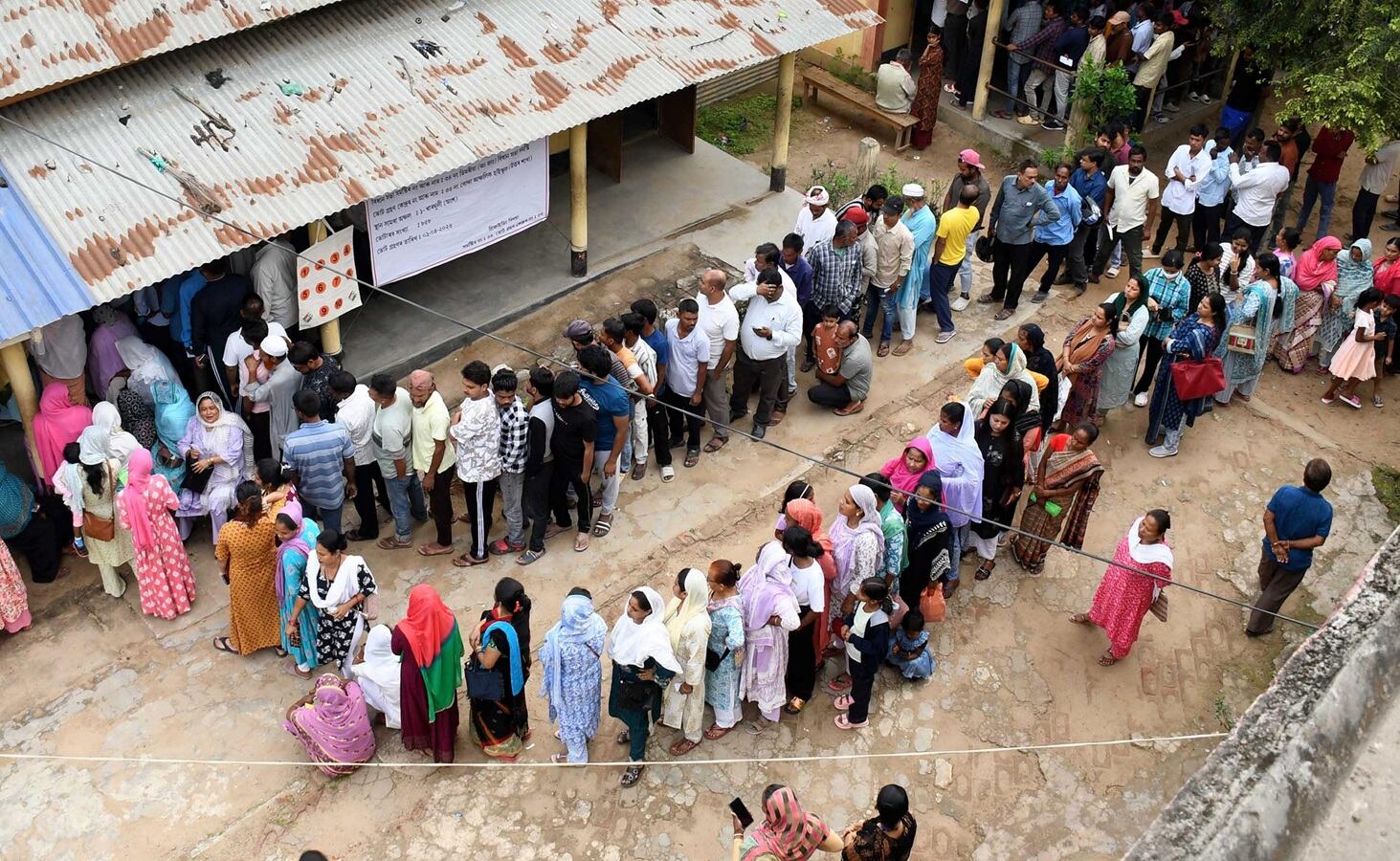
High electoral participation remains one of the strengths of Indian democracy. Increasing voter turnout demonstrates substantial public engagement in political processes. However, democratic participation should be evaluated not only by the number of voters but also by the quality of political discourse. Participation contributes to democratic deepening when citizens engage with issues such as economic development, public welfare, education, healthcare, employment, and governance. When electoral behaviour is shaped primarily by communal or identity-based polarisation, the democratic value of participation becomes more complex.
Identity-based voting has historically existed across caste, religious, linguistic, ethnic, and regional groups in India. Therefore, identity politics is not a new phenomenon. However, the expansion of identity-centred mobilisation across broader segments of the electorate may increase social polarization and reduce the relative importance of policy based political competition.
Another significant development is the growing concentration of power at the Centre. The sustained electoral dominance of a single party has weakened opposition parties in several regions and contributed to a more centralised political environment.
While political stability can facilitate governance and policy implementation, democratic systems also depend upon effective opposition parties that can scrutinise government actions, provide alternative policy agendas, and ensure accountability.
Despite these challenges, Indian democracy possesses considerable institutional resilience. The Constitution, the judiciary, the federal structure, the electoral system, civil society, and active citizen participation continue to provide mechanisms for managing political conflict and facilitating peaceful democratic change.
The current period represents an important stage in the evolution of Indian democracy. The interaction of majoritarian politics, electoral competition, ideological polarisation, and expanding political participation is reshaping democratic practice.
Whether these developments ultimately strengthen or weaken democratic institutions will depend on the ability of constitutional institutions, political leaders, civil society organisations, the media, and citizens to uphold constitutional norms, protect pluralism, and preserve the balance between majority rule and minority rights.
The long-term vitality of Indian democracy will be determined not solely by electoral out-comes but by the continued protection of constitutional values, institutional independence, civil liberties, political accountability, and equal citizenship. The preservation of these principles remains essential to sustaining India as a democratic, secular, and pluralistic republic.
Related Stories
 India
India
Water As a Political Weapon: Populism and The Indus Waters Treaty
4 minutes ago
 India
India
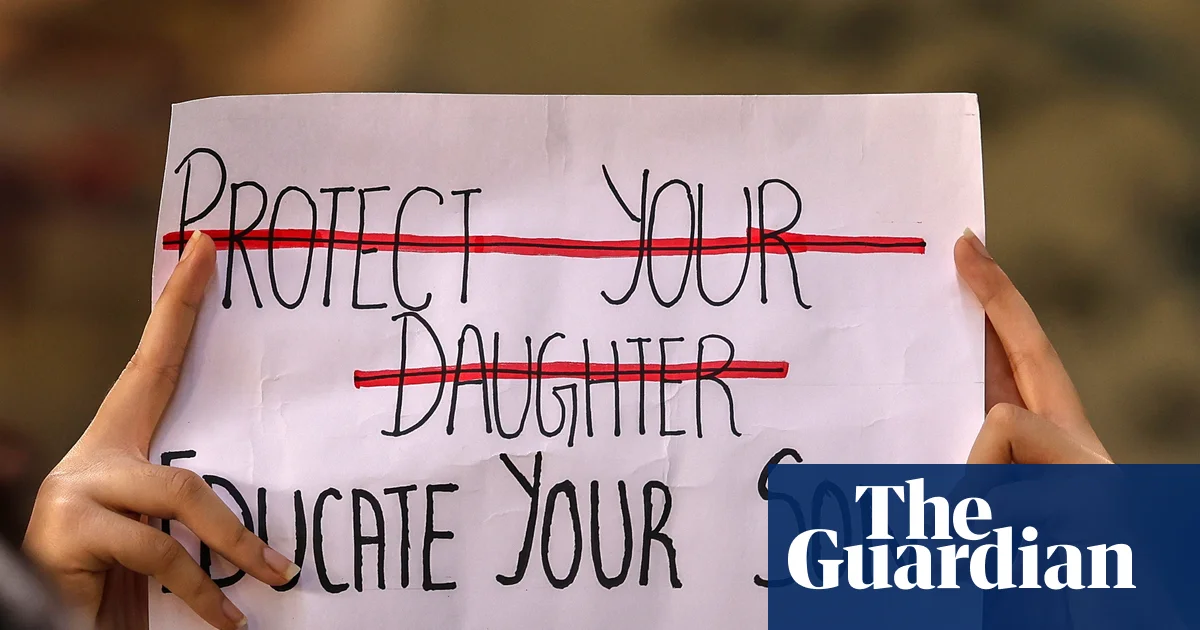
‘We want justice’: series of rapes trigger mass protests at Indian universities
2 hours ago
 India
India
Inside INDIA bloc meet: United call for Gyanesh Kumar’s removal, rallies against EC & a ballot paper push
3 hours ago
 India
India
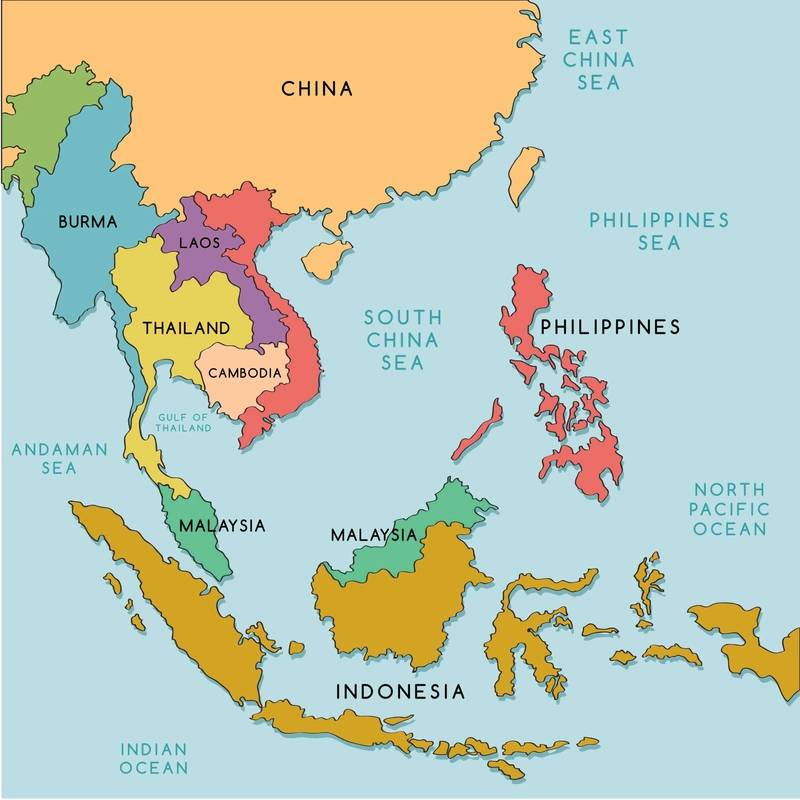
India to Auction Offshore Mineral Blocks in Andaman Sea
3 hours ago
 India
India
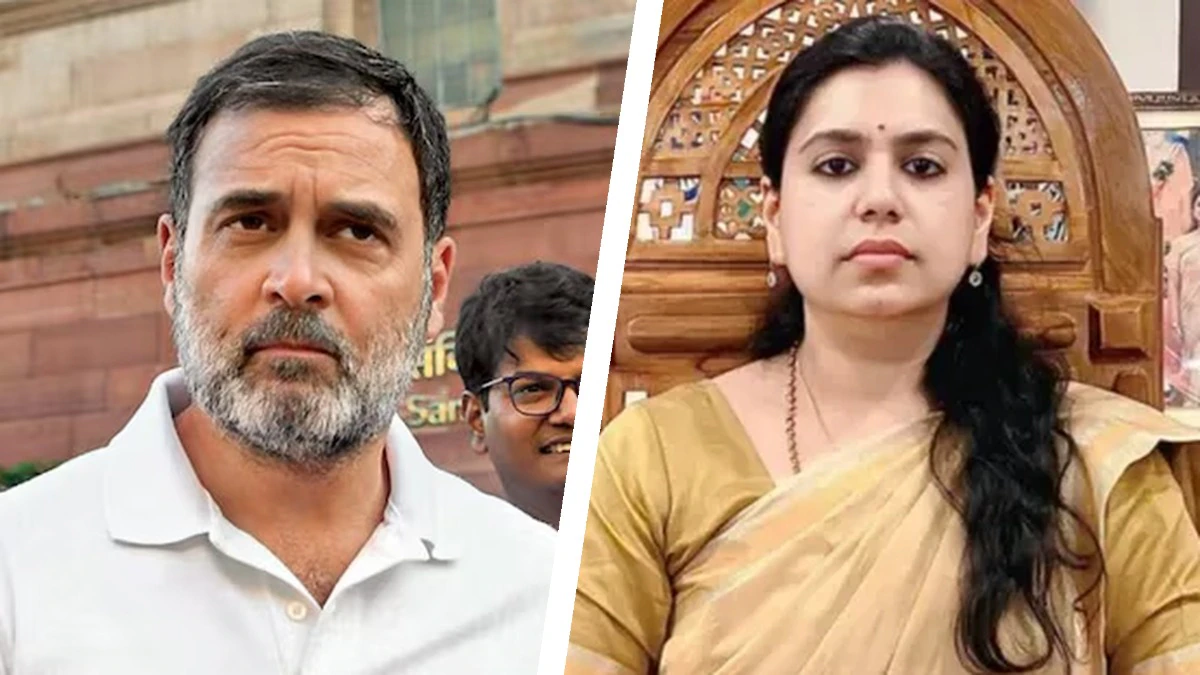
Ex-IAS Divya Mittal joins politics, sets record straight after Rahul
5 hours ago
#WATCH | “Gyanesh Kumar should not merely be removed from office; he should also be prosecuted” - senior advocate Prashant Bhushan on the EC
9 hours ago
 India
India
Tilvin Silva’s India visit What it says about JVP’s socialisation in international politics
13 hours ago
 India
India
GOPIO Announces 2026 Biennial Convention and Conference in Mumbai
13 hours ago