
How this ghostlike ex
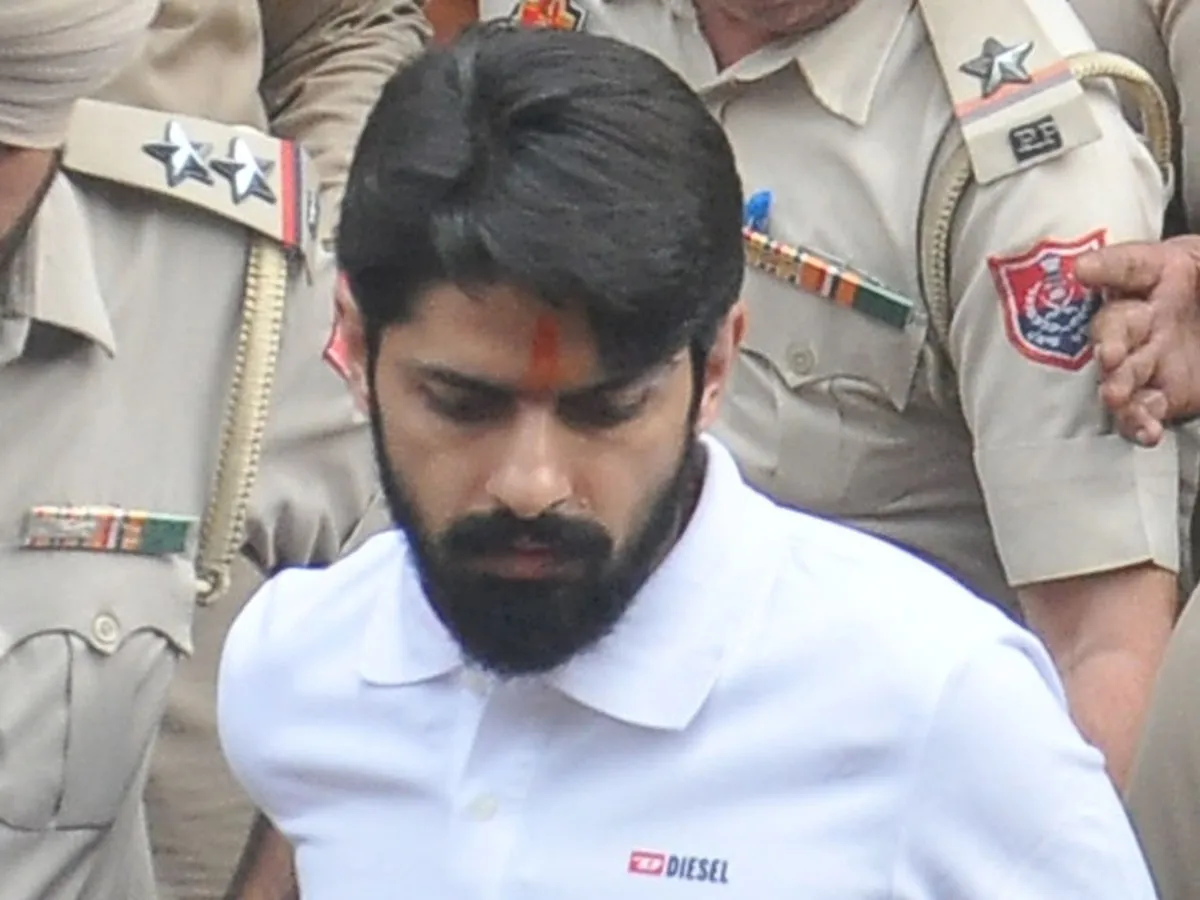
Being in prison in India for more than a decade hasn’t curbed Lawrence Bishnoi’s expanding global footprint of high-profile murders, brazen violence, and frightening threats from spreading across Canada, authorities allege.
For Bishnoi, a 33-year-old Indian gangster with an unexpected background, the captivating propaganda of apparent impunity while allegedly orchestrating an army of soldiers in campaigns of violence seemed only to boost his influence.
Bishnoi’s name, even though his physical presence has long been absent from the streets, has spread widely, making him an almost legendary underworld figure — an ominous ghost — not only in the crowded streets of his homeland but into the sprawling suburbs of Canada, where murder, extortions, shootings, arsons and threats have frustrated Canadian police and stoked community fear.
Bishnoi’s impunity, power, and glamour, however, now face a significant test.
On Tuesday, he was the centrepiece of a sweeping international law enforcement operation led by the U.S. that included Canadian and European police agencies.
Bishnoi now faces serious charges, including being accused of ordering one of Canada’s highest-profile recent murders.
It’s a startling twist for a man whose past seemed to be sending him down an entirely different path in life.
Born in Punjab, a state in northwestern India, Bishnoi’s father was a former policeman in the neighbouring Indian state of Haryana.
In 2010 he enrolled at Panjab University where he became involved in student politics, which were significantly more rough-and-tumble than most Canadian experiences; violence and dramatic action were key attributes to success. Bishnoi continued at university to obtain a law degree. As a student council leader, his police file grew. His first significant criminal complaint was torching a student leadership rival’s car.
That lesson of intimidation bringing success by way of violence seemed to take hold of the young Bishnoi and never leave him.
Several of those who joined Bishnoi in his student power struggles stayed with him, forming the spine of a growing network that had ambitions that no campus could satisfy.
Bishnoi “traded campus politics for criminal activity and refashioned his associates and followers into a criminal organization,” the U.S. criminal indictment says.
Bishnoi was imprisoned in India in 2015 on charges for which various trials and hearings were always pending, and cycling through the Indian legal system — keeping him in custody but not convicted despite serious charges.
It was while he was incarcerated that his network developed into a transnational criminal syndicate, authorities allege, with members moving abroad and victimizing the Indian diaspora wherever they settled, particularly members of India’s Sikh minority. While the Bishnoi organization was headquartered in India, thousands of its members and associates moved to cities and towns across the United States, Canada, the United Kingdom, Europe, Australia and elsewhere.
Related Stories
 India
India
Starlink, Ambani’s venture should get equal treatment, let consumers decide: Shashi Tharoor
21 hours ago
 India
India
Lawrence Bishnoi’s rise: Student politics, first murder and a sprawling crime network | India News
21 hours ago
 India
India
India’s finance minister says market liquidity makes it easier for investors to exit
21 hours ago
 India
India
India news: CJP alleges 'deliberate' delay in leaders' release
23 hours ago
 India
India
Indian Diaspora Holds Pro-Modi Counter
1 day ago
 India
India
Clashes Erupt in London as Diaspora Divided Over India's Election Chief and Electoral Roll Controversy
1 day ago
 India
India
London: Indian diaspora rallies in support of PM Modi, criticises CJP protesters
1 day ago
 India
India
Cabinet Approves Go
1 day ago