
Implications of Rising Far
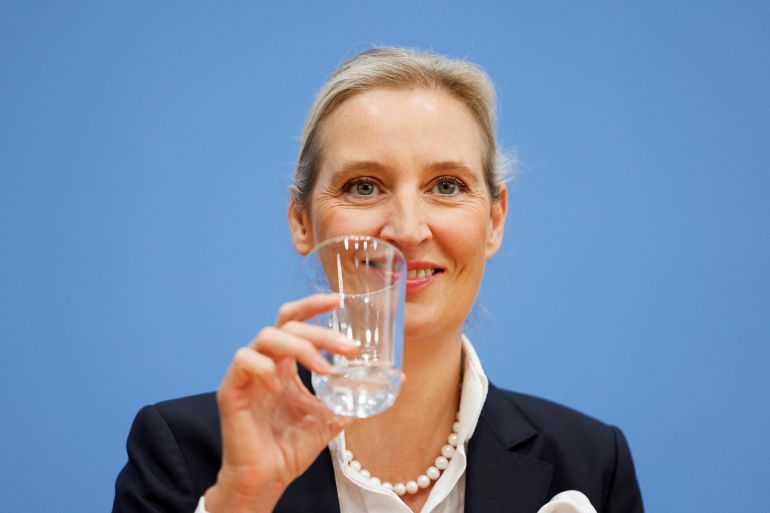
The Alternative for Germany (AfD) party has made significant electoral gains, winning 43.8 percent of the popular vote in the eastern state of Saxony-Anhalt on September 6. This victory marked a notable shift in the political landscape, placing the party closer to governing a German state than it has been since World War II. Just two weeks later, the AfD secured over 38 percent of the vote in a regional election in Mecklenburg-Western Pomerania, where the governing Christian Democratic Union (CDU) failed to reach the 5 percent threshold required to enter the regional parliament.
This trend has raised alarms about the implications for German policy and the broader European landscape. Political scientist Catherine Fieschi from the Carnegie Endowment for International Peace commented, "What it’s doing is what the far right has done elsewhere, and that is essentially erode the consensus against a set of mainstream political parties… hollowing out the centre."
The left-wing party, Die Linke, also performed well, receiving 25.3 percent of votes in a separate by-election in Berlin, which illustrates the polarisation of voter sentiments towards both ends of the political spectrum.
The rise of the AfD is expected to significantly impact Germany’s foreign policy, especially regarding Ukraine, which relies on German financial and military support. Fieschi noted, “This is bad news for [Chancellor] Merz, it’s bad news for Germany, and it’s bad news for the Franco-German engine, and therefore for Ukraine.” The AfD's foreign policy stance includes advocating for dialogue with Russia, a move that has garnered attention from the Kremlin. Kremlin spokesman Dmitry Peskov recently praised the AfD as a political force keen on re-establishing relations with Russia.
The AfD intends to halt all military and financial support to Ukraine, as well as refuse Ukraine’s entry into the European Union and NATO. This position starkly contrasts with the broader European sanctions against Russia following its invasion of Ukraine. On top of that, Moscow has made arguments asserting that Germany's economy would benefit from maintaining ties with Russia, particularly concerning energy resources.
Despite these shifts, the AfD faces challenges to govern effectively even in states where it has gained a relative majority. The other political parties have ruled out collaborating with the AfD, complicating its prospects for national influence. Although a national election is not scheduled until early 2029, the pressure it places on the Merz government is palpable.
Fieschi stated that while Germany would not completely cease supporting Ukraine, that support could become more discreet in the current political climate. The chances of Chancellor Merz sending advanced weaponry to Ukraine or resuming discussions around significant financial support have greatly diminished.
Experts warn that the rise of the AfD may destabilise unity within Europe, complicating cooperation regarding financial aid to Ukraine. Oleksandr Danylyuk, an expert in Russian hybrid warfare, suggested that Moscow's strategy focuses on exhausting Ukraine and disrupting Western support, predicting a divided Europe with less consensus on aid.
In the last general election held in February 2025, the AfD captured 20.8 percent of the national vote, reflecting its growing influence. To counter the AfD's ascent, the CDU formed a grand coalition with the Social Democrats (SPD), seeking to prevent the party from gaining national power. Fieschi described Chancellor Merz as a "wounded animal" facing upcoming regional elections in April 2027, which are critical for his political future.
Political analysts indicate that while it is challenging for the AfD to claim power within the German federal system, the party’s electoral victories highlight the shifting dynamics of German politics and the rising acceptance of far-right ideologies in mainstream discourse. This could have profound implications for both domestic governance and international relations over the coming years.
Related Stories
 World
World
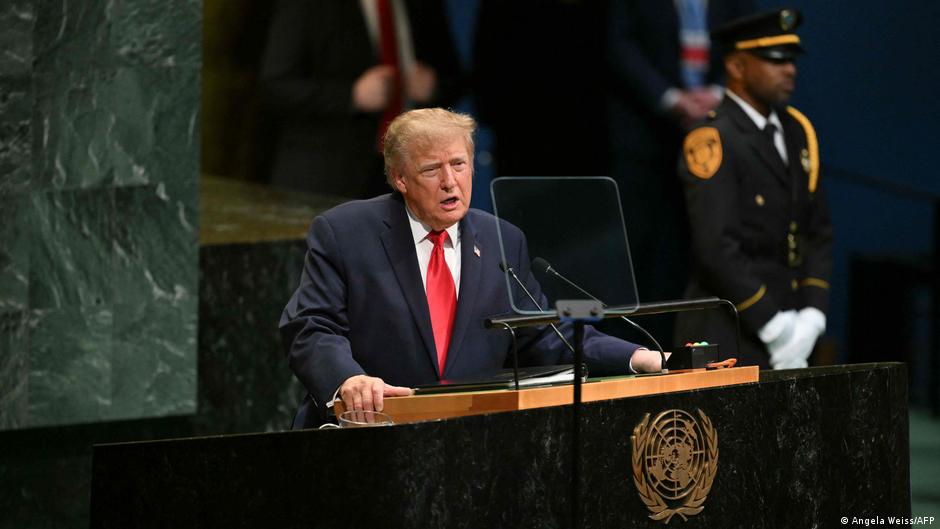
UNGA: Trump and world leaders discuss global conflicts
12 minutes ago
 World
World
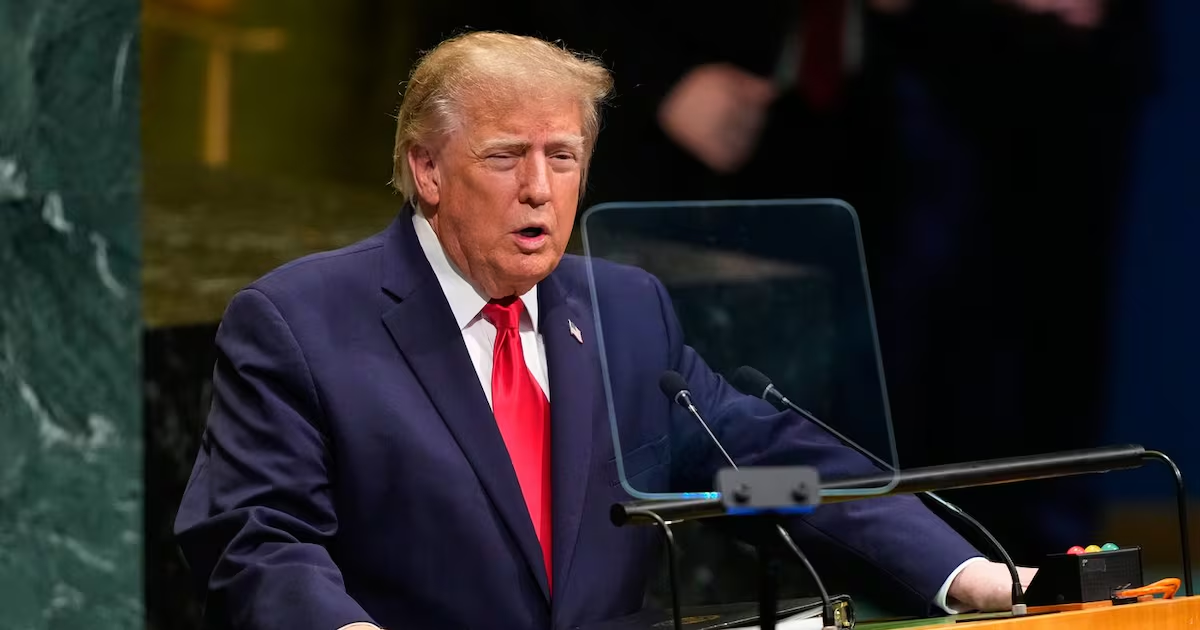
FACT FOCUS: Trump made multiple false and misleading claims in front of the UN General Assembly
1 hour ago
 World
World
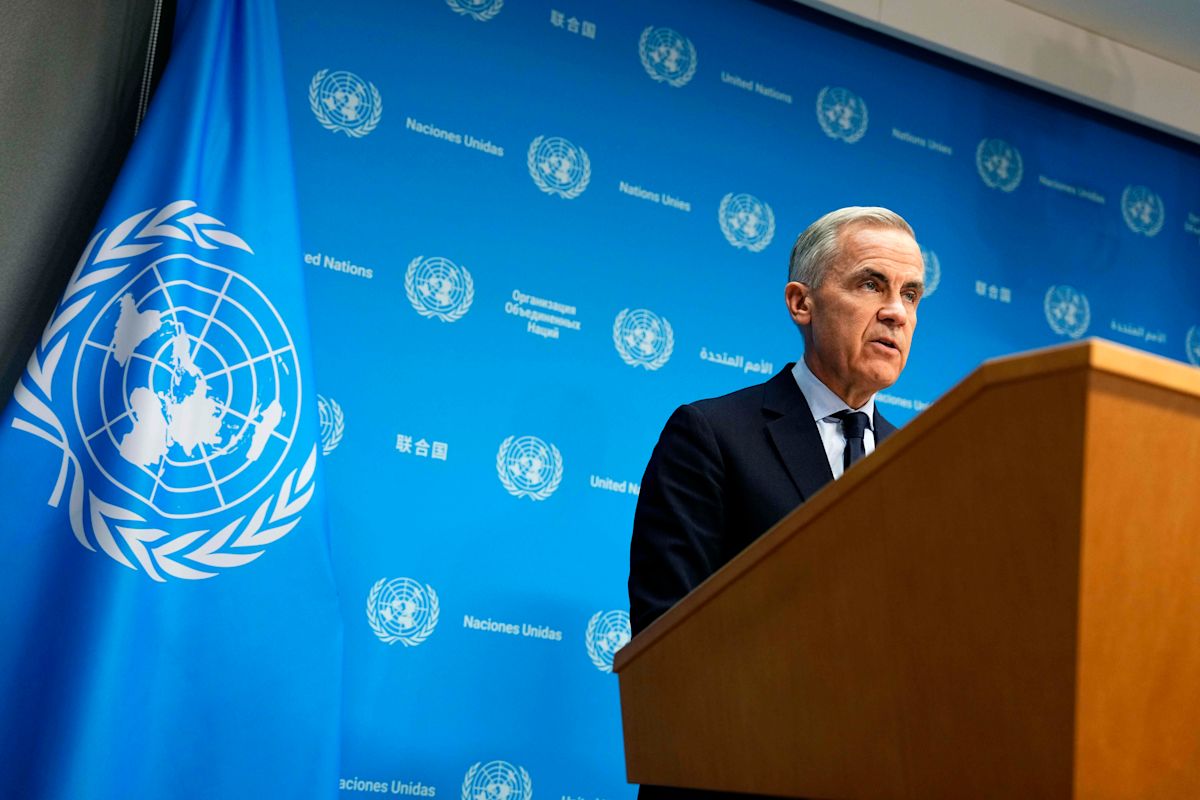
Carney defends multilateralism at United Nations General Assembly
1 hour ago
 World
World
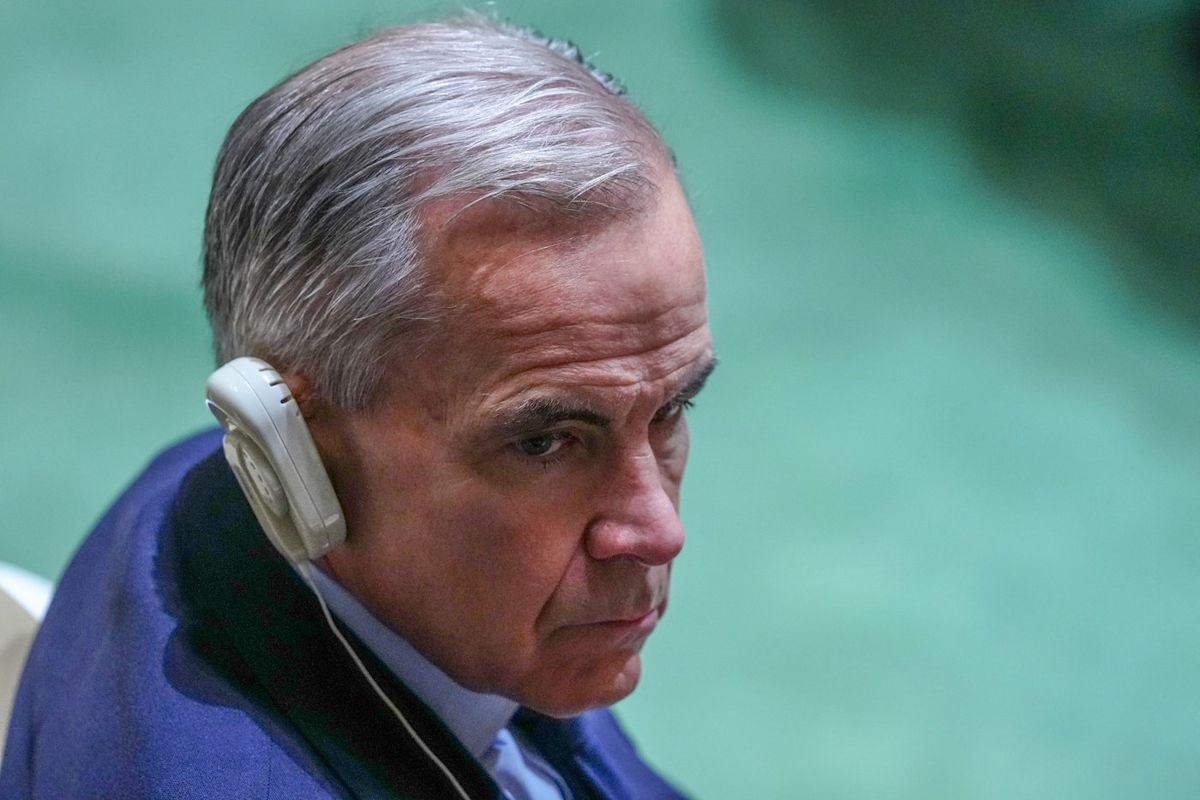
This year, with shifting political winds, Canada gets more of the spotlight on the UN's stage
1 hour ago
 World
World
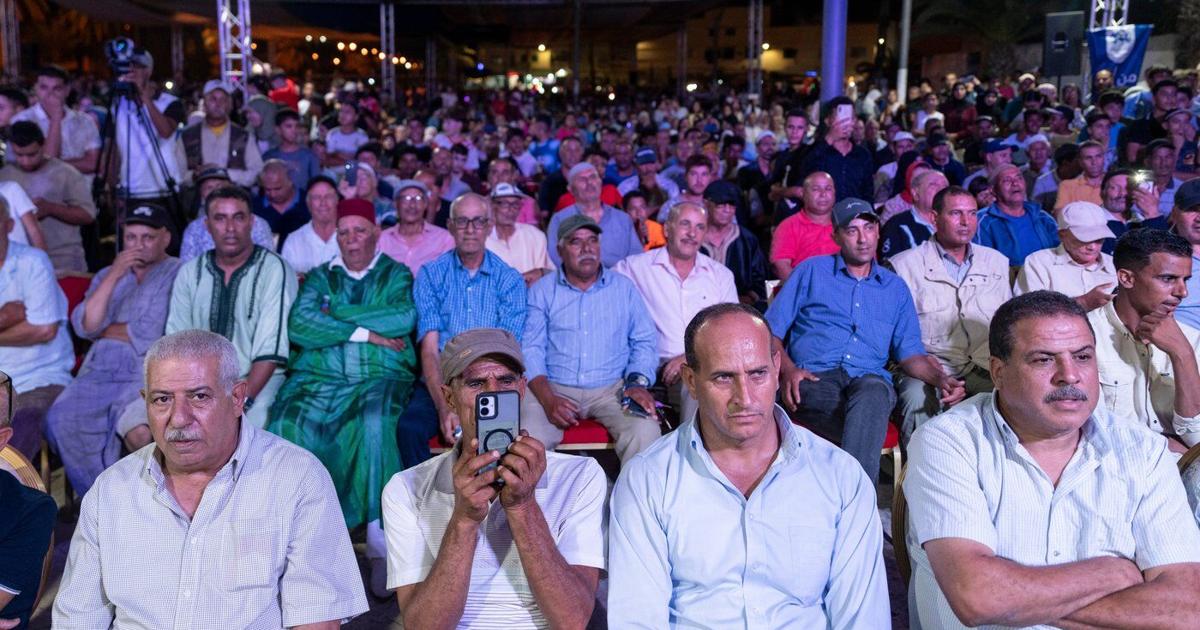
What's at stake as Morocco votes after mass migration attempts and deadly youth protests
2 hours ago
 World
World
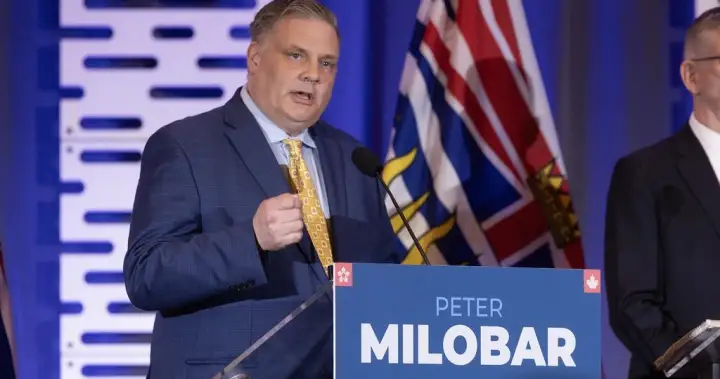
Most CentreBC MLAs rejoin Conservatives as snap provincial election called
3 hours ago
 World
World
'Extremely dangerous' Hurricane Polo intensifies to rare category 5 storm
3 hours ago
 World
World
Watch: Threats, deals and passionate speeches at UNGA event
4 hours ago