
In conversation with: OakNorth’s Ivan Maryasin
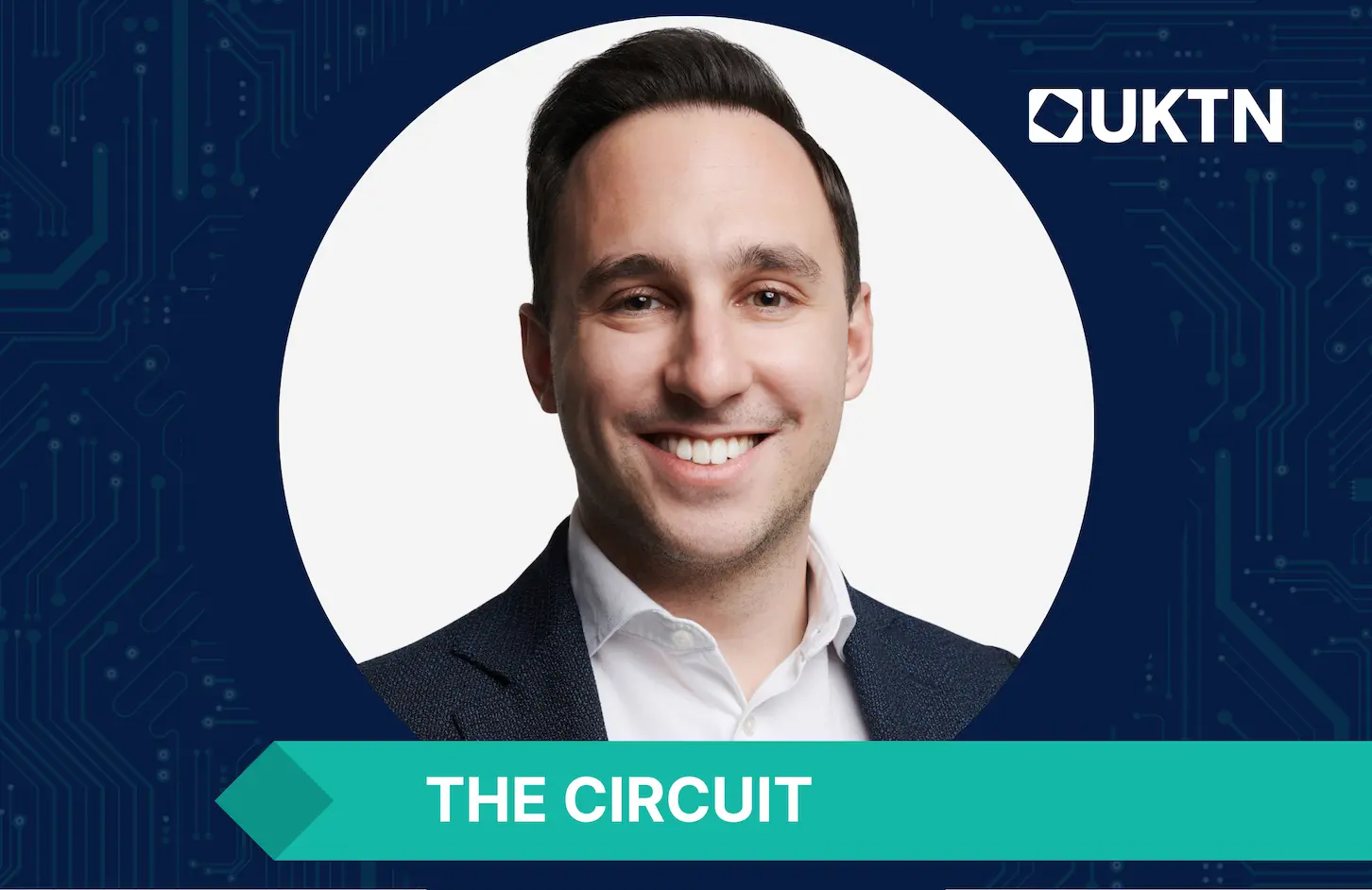
Founding and running a startup may seem like quite a different task to a leadership position in an established multi-billion pound company, but in many cases for those whose startup has been acquired, it is a necessary transition.
This was very much the case for Ivan Maryasin, who in 2020 founded the fintech startup Monite, which built an API that automated many of the financial duties of small businesses.
Earlier this year, Monite was acquired by the digital bank OakNorth, with Maryasin being brought on as part of the deal.
In this exclusive interview with UKTN, Maryasin, general manager of business banking at OakNorth, discusses his journey from running a startup to becoming a senior employee at an established company, where the real innovation in fintech is happening right now and the state of the UK’s investment scene.
Speaking from my perspective as Monite’s founder, in many ways, it has been less of a change than people might expect.
OakNorth still has a very entrepreneurial culture, which was one of the things that attracted me to the business in the first place. The pace is fast, decisions are driven by customer needs, and there’s a genuine willingness to challenge conventional thinking.
The biggest difference is scale. As a founder, you are often focused on proving that a product solves a problem. At OakNorth, the opportunity is to take that same mindset and apply it across a much larger customer base.
Instead of building for dozens or hundreds of businesses, we are now thinking about how we can improve the experience for thousands of growing companies.
The opportunity is to combine banking, payments, financial operations, and relationship-led support into a single experience designed specifically for growing businesses. That’s incredibly exciting because we’re not just adding features; we’re rethinking how business banking should work for companies as they scale.
Running a startup gives you a deep appreciation for how quickly complexity arrives as a business grows.
One minute you are managing everything yourself; the next you are dealing with multiple entities, international payments, approvals, cash flow forecasting, and an increasingly fragmented technology stack.
That is one of the reasons I was drawn to OakNorth. The businesses we serve are often navigating exactly that stage of growth. They are no longer startups, but they are not large corporates either. They need financial infrastructure that evolves alongside them.
My experience at Monite reinforced that businesses do not want more financial products. They want fewer operational headaches. Whether we are building accounts payable, accounts receivable, payments, or banking capabilities, the goal is the same: reducing complexity so entrepreneurs can focus on growing their businesses.
AI is obviously transforming every part of financial services, but I think the bigger structural shift is the move away from standalone financial products towards integrated financial platforms.
Historically, businesses have been forced to stitch together separate providers for banking, payments, invoicing, expenses, cash flow management, and accounting. That creates inefficiency, reduces visibility, and means finance teams spend too much time moving between systems rather than focusing on growth.
We are now seeing the emergence of platforms that bring those functions together into a single experience. That is one of the reasons the combination of OakNorth and Monite made so much sense. Businesses do not think in terms of banking products; they think about managing and optimising money.
AI will accelerate that trend by automating workflows and surfacing insights, but the real innovation is creating a financial operating system that helps growing businesses manage, move, and optimise their finances from one place.
There is certainly more choice than there was a decade ago, but I do not think the challenge has disappeared. Many businesses in the lower mid-market still sit in an awkward position.
They are often too complex for the highly standardised, fully automated models that work well for smaller businesses, but they are not large enough to receive the level of attention typically reserved for bigger corporates.
What is interesting is that the conversation is increasingly moving beyond funding alone. Access to capital remains important, but growing businesses also need banking, payments, financial operations tools, and trusted partners who understand the realities of scaling.
The institutions that succeed will be those that combine technology, data, and human expertise to support businesses throughout that journey. That’s where I think the biggest opportunity remains.
Related Stories
 Business
What Germany’s Startup Factory strategy reveals about scaling DeepTech ecosystems
2 hours ago
 Business
This startup sold Wall Street on AI. Its existential challenge is doing it again.
3 hours ago
 Business
Ford Fathom: Can a Startup
3 hours ago
 Business
After Eight Years Of Building Quietly, Can Raphe mPhibr Conquer The Skies With Its Long
4 hours ago
 Business
Movie Review: What's up, flop? The toon
5 hours ago
 Business
Craft’s Ilya Levtov Never Learned To Code. He Built A Software Company Anyway.
6 hours ago
 Business
How Dubai became the world’s easiest place to set up and scale a business
7 hours ago
 Business
I worked 13
7 hours ago