
India Launches First Hydrogen
India Launches First Hydrogen-Powered Train With Revolutionary Clean Technology as Indigenous Railway Innovation Puts the Nation Among Global Rail Leaders
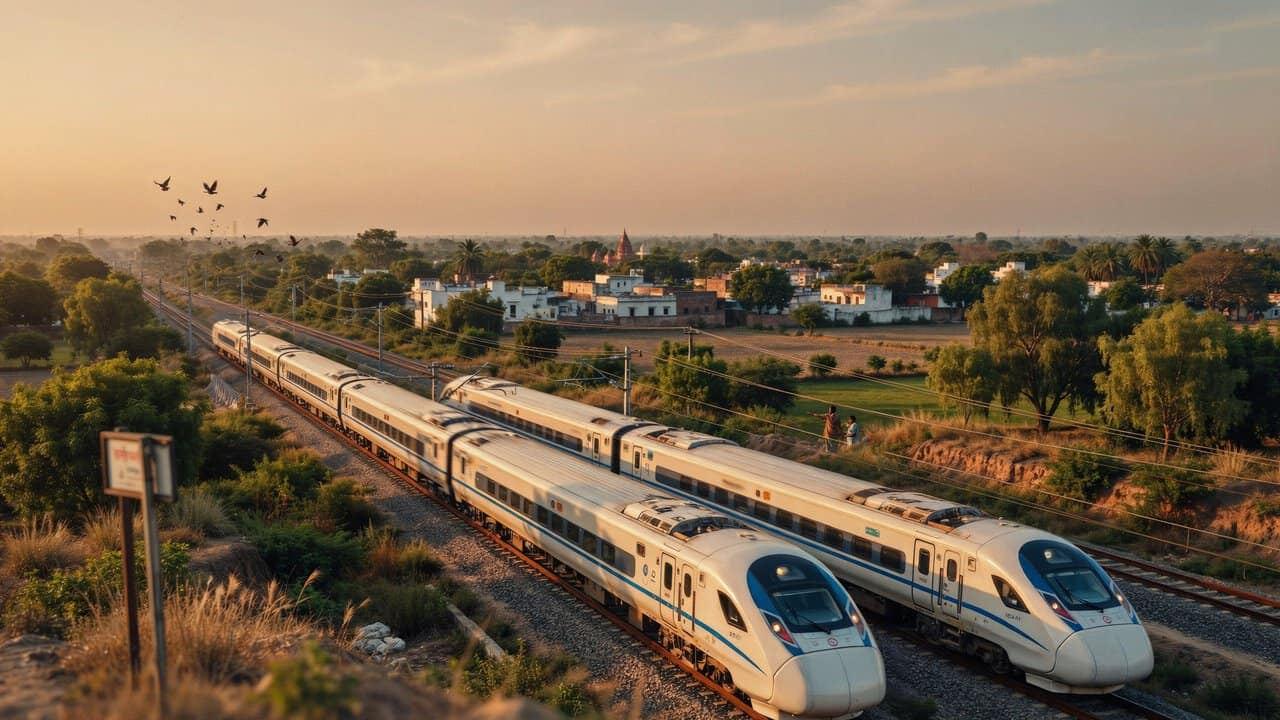
The latest Indian rail news marks a major development in the country’s transportation sector as India prepares to introduce its first hydrogen-powered passenger train. Prime Minister Narendra Modi will flag off the train between Jind and Sonipat at Jind railway station during his visit to Haryana. Developed, designed and integrated in India, the project reflects the country’s growing expertise in advanced railway systems and clean energy-based mobility solutions.
The India hydrogen train represents a major shift in how future rail transportation could be powered. Instead of relying on conventional fuel systems or fully electrified networks, the train uses hydrogen-based technology to generate power onboard, offering a cleaner alternative for railway operations.
Key Details About India’s Hydrogen-Powered Train
The new train has been developed with several advanced features that place it among the world’s notable hydrogen-powered railway projects.FeatureDetailsRouteJind to SonipatLaunch locationJind railway station, HaryanaCoach configuration10 coachesPropulsion system3,200 horsepowerDesigned speed110 kilometres per hourOperational speed on route75 kilometres per hourTechnology usedHydrogen fuel cell-based propulsionDevelopment approachDesigned, engineered and integrated in India
The train’s 10-coach configuration makes it one of the longest hydrogen-powered passenger trains developed so far. Its powerful propulsion system also places it among the strongest hydrogen-powered trainsets currently in operation.
At the heart of this innovation is hydrogen fuel cell technology, which converts hydrogen into electricity to run the train. Unlike diesel engines that burn fuel and release emissions, hydrogen fuel cells produce electricity through a chemical process where water vapour is the only operational by-product.
This technology allows the train to generate power onboard rather than depending entirely on external electrification infrastructure. As a result, hydrogen-powered trains can offer greater flexibility, especially on railway routes where installing overhead electric systems may be difficult.
The move supports India’s broader push towards sustainable rail transport, with an emphasis on reducing emissions while improving connectivity through modern railway solutions.
Why This Train Matters For India’s Clean Energy Goals
The introduction of hydrogen-powered rail technology aligns with India’s efforts to expand the use of cleaner energy solutions across different sectors. The adoption of green hydrogen can help reduce dependence on electricity generated from fossil fuel-based sources.
The project also strengthens the country’s focus on green hydrogen mobility, which aims to use hydrogen as a cleaner fuel option for transportation. As hydrogen infrastructure develops, such solutions could become increasingly important for reducing emissions from large-scale transport systems.
Safety Features Designed For Hydrogen Operations
Hydrogen-powered transportation requires advanced safety systems, and this train has been equipped with multiple protective measures to support secure operations.
The train includes systems that can detect:
These monitoring systems are designed to identify possible risks quickly and improve safety standards for passengers and railway personnel.
India’s Growing Railway Engineering Capabilities
The development of this train highlights the importance of indigenous railway engineering in creating advanced transport solutions within the country. Indian engineers and railway organisations have played a key role in designing and integrating the technology domestically.
This achievement demonstrates India’s ability to develop complex railway systems while strengthening local innovation and manufacturing capabilities. It also reflects the country’s growing participation in the global movement towards cleaner transportation technologies.
How India’s Hydrogen Train Could Affect Passengers
For everyday travellers, the introduction of hydrogen-powered trains could bring long-term changes to railway travel. Although the current train will operate on the Jind-Sonipat route, the technology could influence future railway projects across India.
Potential benefits for passengers include:
The rise of hydrogen-powered rail systems could also encourage passengers to consider environmentally responsible travel choices.
India Joins Countries Exploring Hydrogen Rail Technology
With this development, India joins a small group of countries that have introduced or developed hydrogen-powered trains. Germany, Japan, China and the United States have also explored hydrogen railway solutions as part of their clean transport strategies.
The latest Indian rail news reflects India’s ambition to become a stronger player in the global clean mobility sector by adopting advanced technologies and investing in future-ready infrastructure.
Hydrogen Trains Vs Conventional Railway Systems
Hydrogen-powered trains are also considered part of the future of zero emission trains, as they can operate without releasing carbon emissions during normal operation.
Key Takeaways From India’s Hydrogen Train Launch
The launch of this train represents a major step forward for India’s railway sector. The most important points include:
What This Means For The Future Of Indian Railways
The latest Indian rail news shows how India is moving towards cleaner and more technologically advanced transportation systems. The introduction of hydrogen-powered rail technology is not just about launching a new train; it represents a wider effort to modernise railway infrastructure and reduce environmental impact.
As India continues investing in alternative energy solutions, hydrogen-powered trains could become an important part of the country’s future mobility network. This development highlights the growing role of innovation, engineering and clean energy in shaping the next generation of rail travel.
Tags: Haryana rail development, India hydrogen train, Indian rail news, Jind Sonipat railway
Related Stories
 India
India
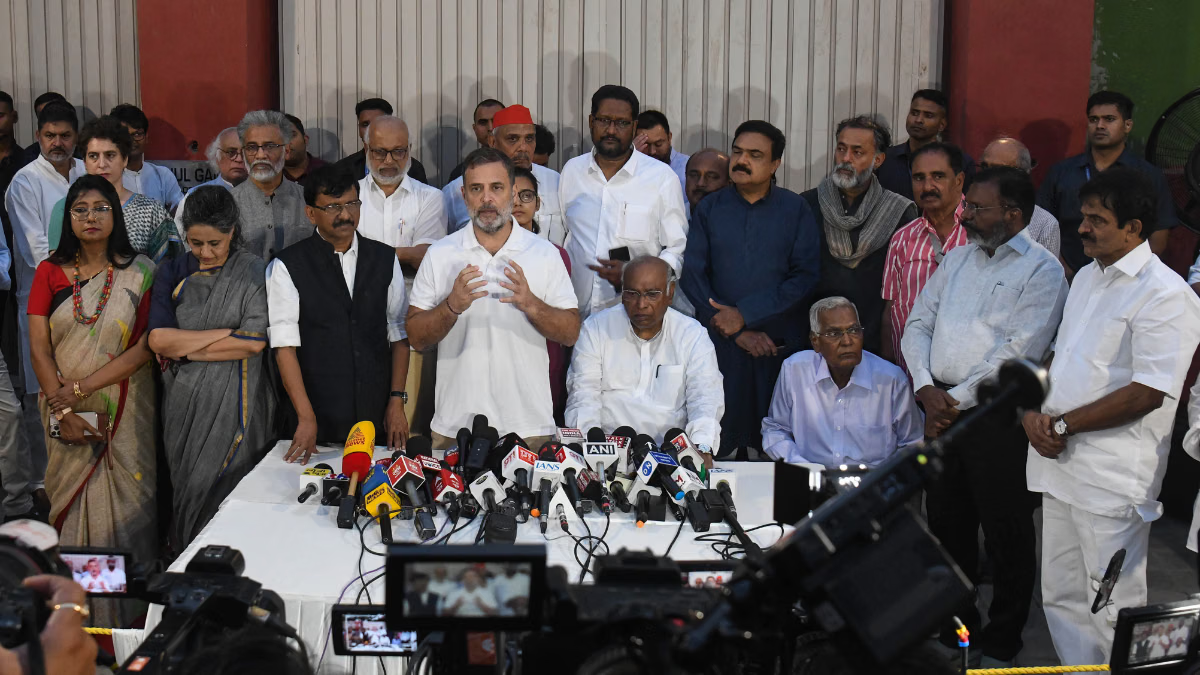
High tea, hard talk: INDIA bloc closes ranks against CEC Gyanesh Kumar at meeting called by Rahul Gandhi
5 hours ago
 India
India
Constitution torn up, fighting to restore democracy in country, says Rahul Gandhi
6 hours ago
 India
India
Don’t drag SC into any politics: CJI to lawyers | India News
7 hours ago
 India
India
Rahul, Batman And The Battle For Gen Z Space; Is India Ready For Superhero Politics?
7 hours ago
 India
India
Armenian Parliament Speaker, Indian ambassador discuss bilateral ties
8 hours ago
 India
India
CJP: India 'cockroach' leaders detained after entering barricaded protest site
11 hours ago
 India
India
Preservation of Manuscripts an Investment in India’s Intellectual Resources: Jaishankar
11 hours ago
 India
India
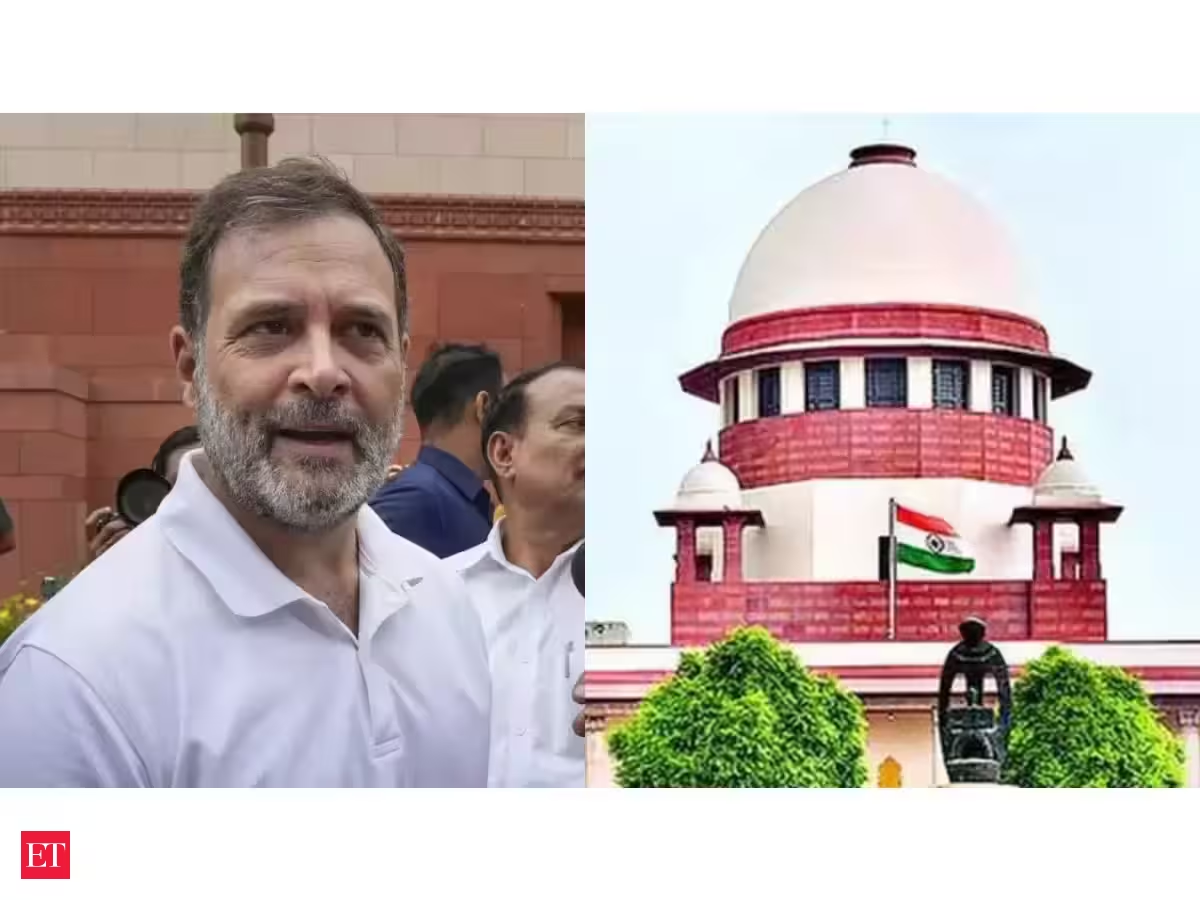
SC stays trial court proceedings in defamation case against Rahul Gandhi over Modi remarks
13 hours ago