
Indian diaspora in Japan offers homes amid Asian Games housing woes
Indian diaspora in Japan offers homes amid Asian Games housing woes
Sign up now: Get the biggest sports news in your inbox
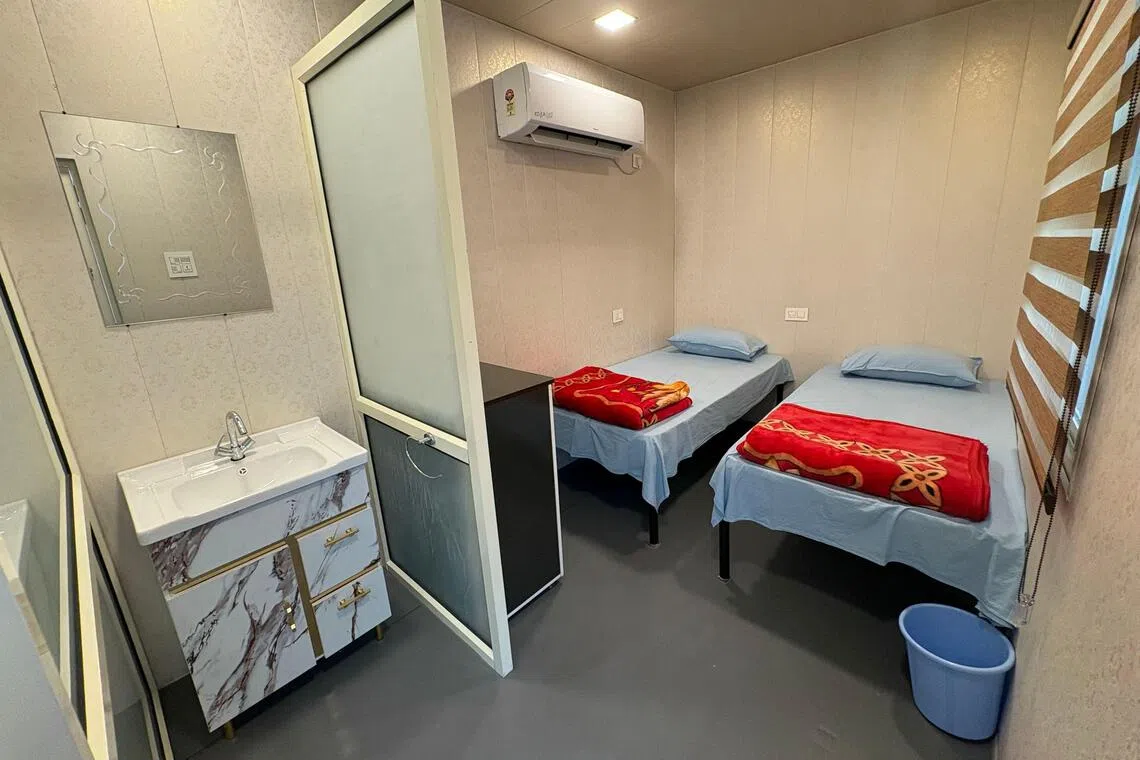
This photo shows a cabin designed to replicate accommodation in Japan for India’s athletes who will be competing in the Asian Games.
NEW DELHI – Indians living in Japan are standing by to house India’s athletes at the Asian Games if accommodation shortages continue, officials said on Sept 19.
Asia’s biggest sporting spectacular opens officially in Nagoya and Aichi prefecture on Sept 19, but the build-up to the event has been dogged by problems.
To save money, Japan decided against having an athletes’ village, with organisers choosing to put up competitors in a combination of hotel rooms, temporary wooden container-style huts and on a cruise ship.
But many of the 17,000 athletes and officials descending on Japan for the Games have been unhappy with their allocated temporary accommodation, saying rooms have no storage space for kit and the beds are too small.
India has moved some of its 500 athletes competing in the Games from the huts into hotels. It has also put in place contingency plans if the shortage of suitable rooms gets worse as more competitors and support staff arrive in the coming days.
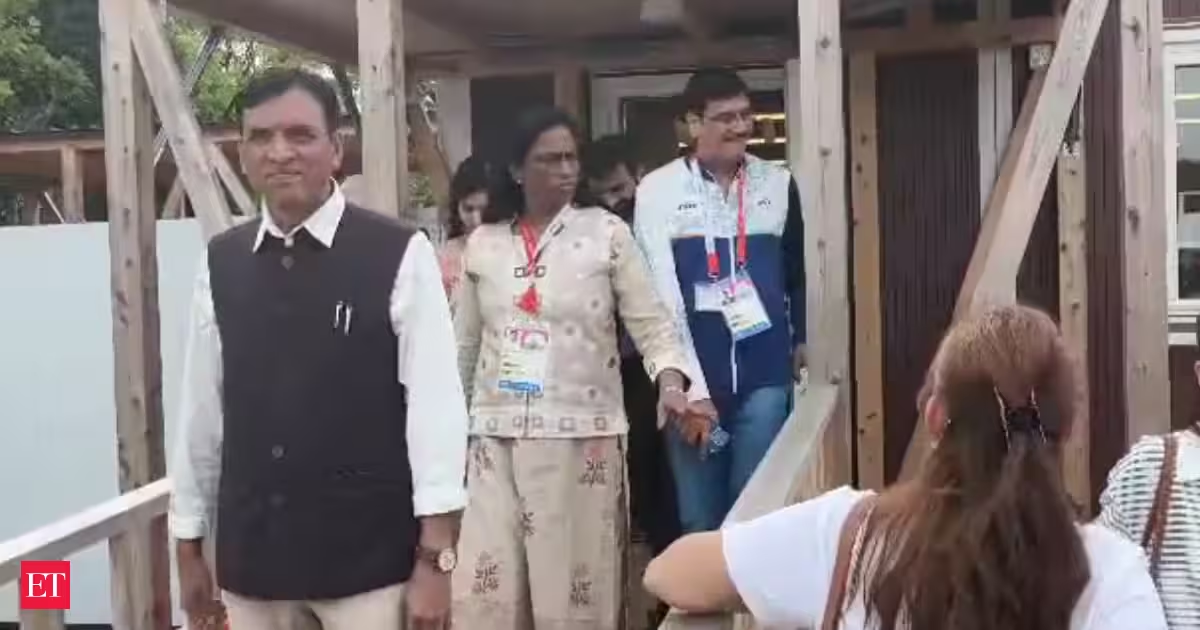
“We have booked hotels for our athletes here,” said Sahdev Yadav, India’s chef de mission at the Asian Games and the Indian Olympic Association’s treasurer.
“But if the hotel rooms fall short, then, yes, we have Indian households here on standby to accommodate the athletes,” he added. “They are all more than happy to welcome the stars at their homes.”
Reports said the Indian Embassy in Japan has helped reach out to around 2,000 families in Nagoya, some of whom are prepared to help.
Organisers said the accommodation is safe, cost-effective and comfortable, and Japan should be applauded for trying to do something different. AFP
Related Stories
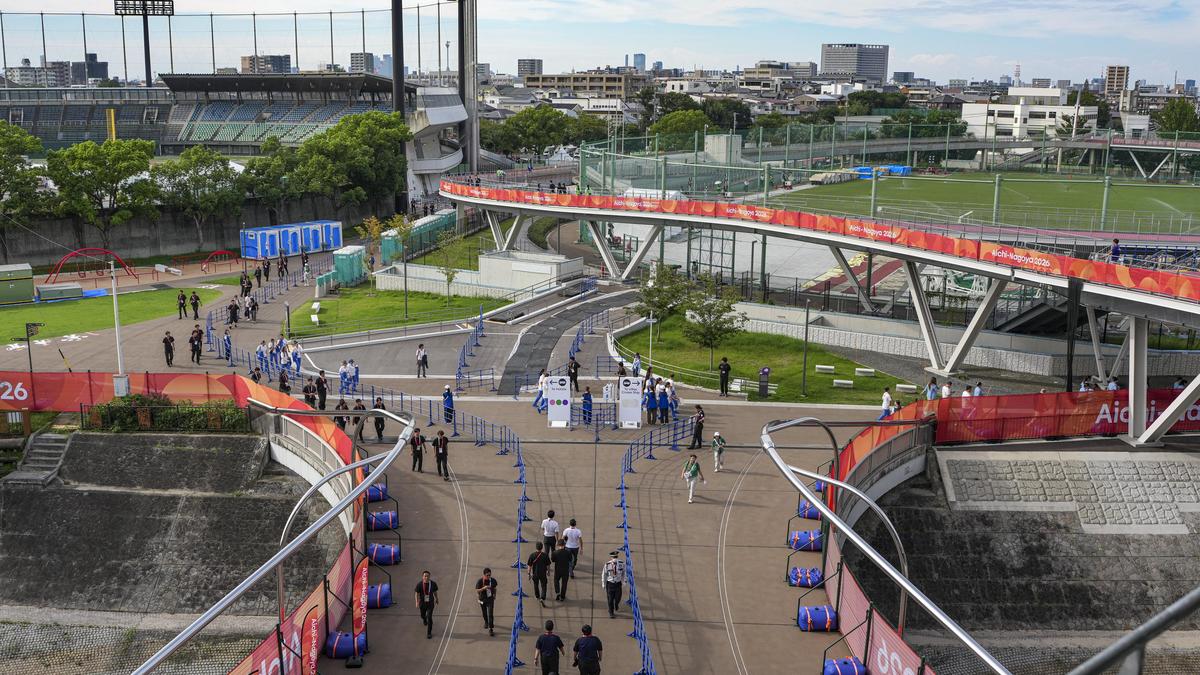 Global Indians
Asian Games 2026
4 hours ago
 Global Indians
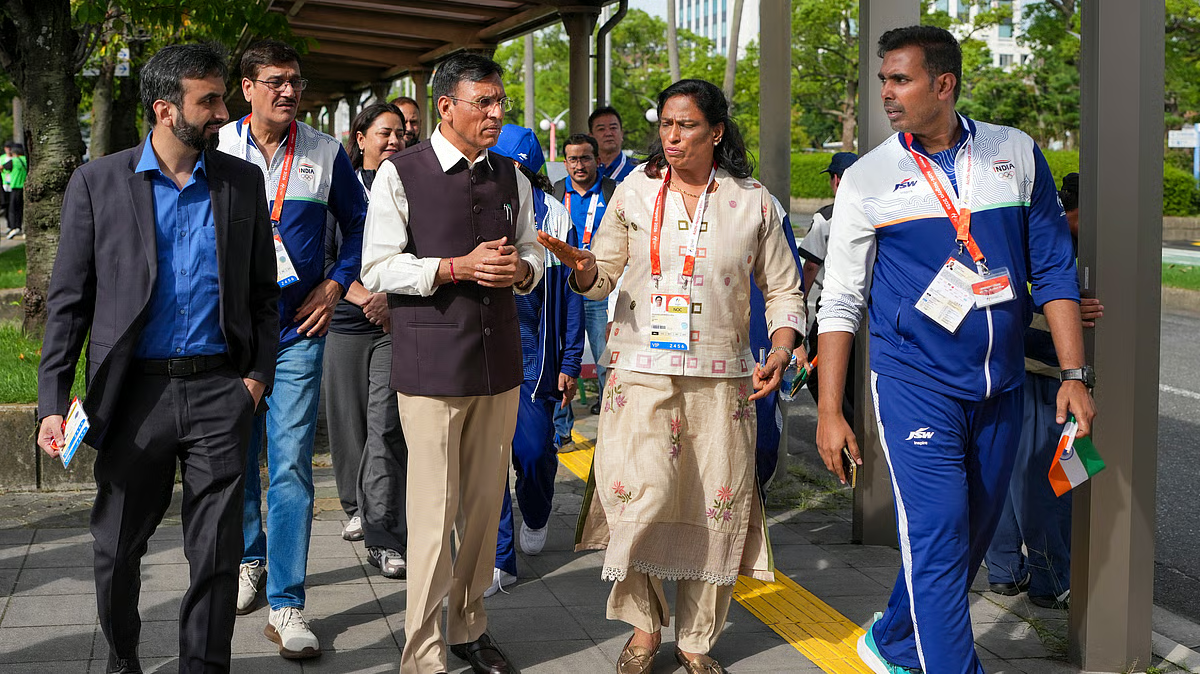
Asian Games 2026: Sports Ministry leans on Indian diaspora in Japan to ensure athlete comfort
17 hours ago
 Global Indians
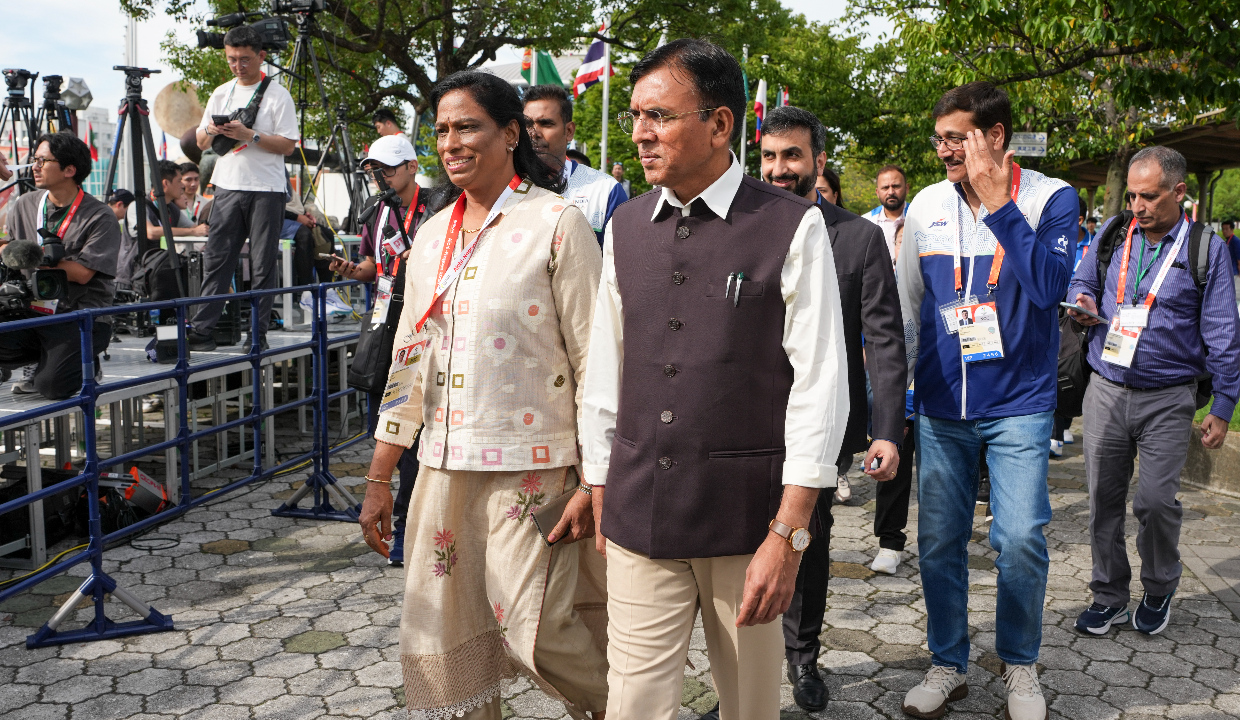
Asian Games accommodation crisis: India seeks diaspora help
20 hours ago
 Global Indians
India set up three
21 hours ago
 Global Indians
Sports Ministry reaches out to Indian diaspora to help deal with lodging crisis at Asiad
21 hours ago
 Global Indians
Indian Sports Ministry Seeks Diaspora Support For Asian Games Lodging
22 hours ago
 Global Indians
Indian property is an NRI favourite
3 days ago
 Global Indians
HSBC, ICICI Bank emerge as biggest FX lenders to India’s diaspora in GIFT City
3 days ago