
Inside Bharat1.AI’s blueprint of building Bengaluru’s first AI city
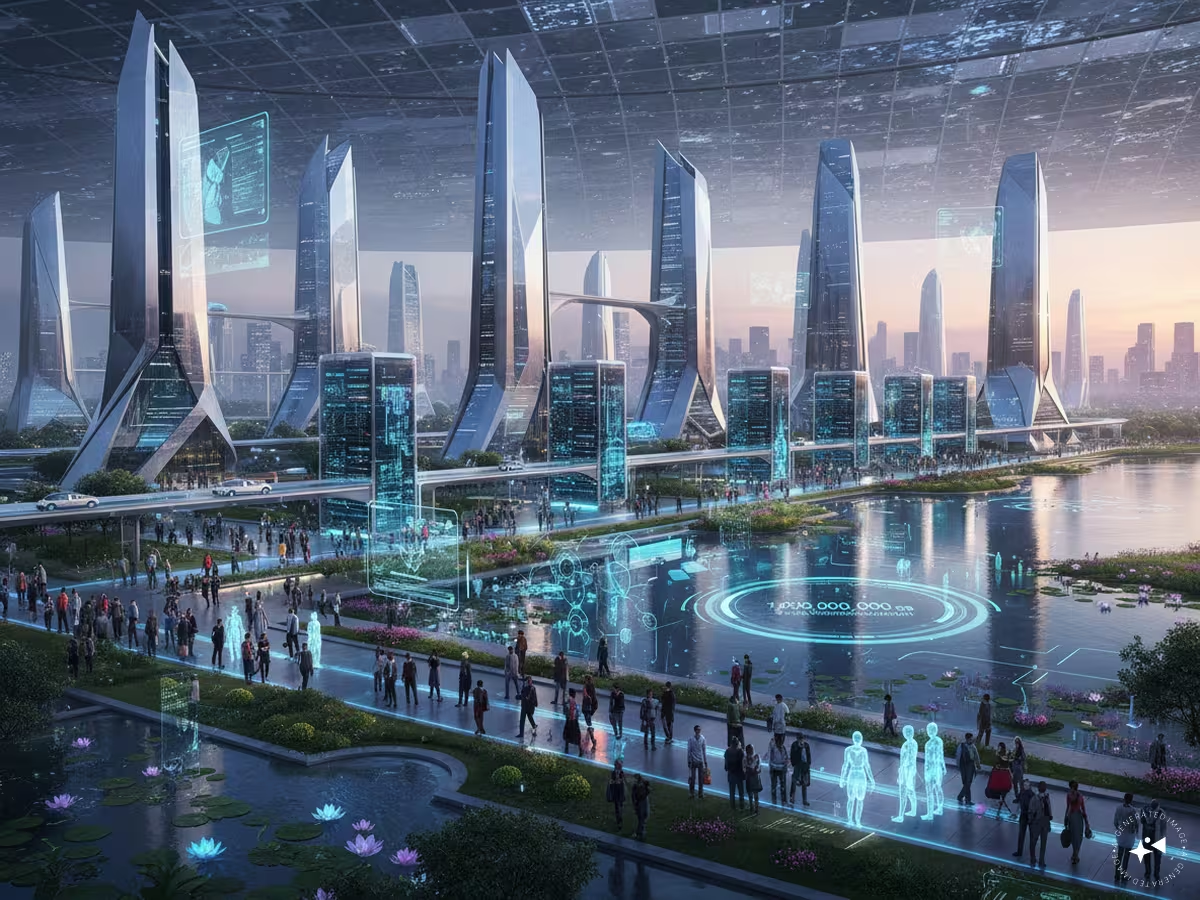
Inside Bharat1.AI’s blueprint of building Bengaluru’s first AI city
More than two months after Bharat1.AI opened its 10-storey AI Superpark at RGA Tech Park on Bengaluru’s Sarjapur Road, the campus is beginning to take shape.
Moneycontrol visited the facility where the second floor is already operational. At first glance, the sprawling, brightly coloured space could pass for a co-working hub, with tech founders and engineers scattered across workstations, quietly building their next innovation.
But walk deeper into the floor and the picture changes. Behind translucent glass walls, engineers are testing robotic AI models, machines that have been months in the making, offering a glimpse into the work taking place behind the scenes at one of India’s newest AI hubs.
The 500,000 sq ft building that can accommodate 8,000-10,000 people, is just the phase 1 of the plan, as Bharat1.AI is simultaneously working on Phase 2 – a human-centric AI city spread across 70 acres of land, for which the startup has finalised a land near Agara Lake in Bengaluru.
The AI infrastructure upstart is building a city-like AI simulator where humans, their digital twins and robots will co-exist and constantly interact, that will help train physical AI develop use cases.
Bharat1.AI is co-founded by Umakant Soni, Subhashis Banerjee (both are AI investors and former IISc’s ARTPARK leaders) and Sireesh Kupendra. Additionally, the founding team has onboarded Emmanuel Bacry and former Department of Science and Technology Secretary Prof. Ashutosh Sharma as founding advisors.
The futuristic model aimed at creating an AI ecosystem took its inspiration from the Shanghai Foundation Model Innovation Center, but with a “twist”. Bharat1.AI is combining humans with physical AI, Soni, Co-founder and CEO told Moneycontrol.
“We are trying to build a full-fledged AI test bed. The reason why China has leap-frogged the US in AI, is because of this innovation centre in Shanghai. It is a 650,000 sq ft facility that has brought together over 100 foundational model companies, which are competing with the US AI model firms,” said Soni.
He explained that the success of the Chinese AI model firms have largely been due to their shared research, compute and data ecosystem.
“These 100 plus companies are sharing their trained data and innovation, which brings down the time and costs of building models drastically, and there’s a lot of peer learning happening within this centre. We are following this model, but want to keep humans in the centre of it,” he said.
The startup is in the process of raising $650 million to fund the entire project from both Indian and global investors. About $300 million of this will be through equity and the remaining will be in debt.
Soni is particularly eyeing global investors and institutions, to strengthen the shared AI ecosystem model. The co-founders are also engaging with the governments of several countries to build a collaborative approach.
Bharat1.AI already has around 15 foundational partners including NVIDIA, Neysa, Lightstorm, The Airawat Research Foundation (IIT Kanpur), SPARC (Safety, Privacy & AI Research Centre, IISc), Wadhwani School of AI & Intelligent Systems (IIT Kanpur), BITS Pilani, iSPIRT Foundation, IIT Ropar, CHARAKA CoE of Karnataka Government, among others.
Most of these institutions are in the process of setting up their hubs inside the AI Superpark facility.
Once the building is officially launched in November, Soni is targeting over 100 foundational AI startups operating from the facility over the next one year.
The startup is also closely working with the Ministry of Electronics and Information Technology (MeitY).
The facility is providing young startups with infrastructure, research ecosystem, GPU access, cloud leasing at lower costs, which will also be Bharat1’s initial revenue model.
“For AI inferencing and training you need very high-speed cloud connectivity. So, we have laid a physical line from Bangalore to Mumbai along with the high tension power cable which helps to connect with all the data centers there. We have collaboration with multiple data centers partners like Neysa,” said Rahul Kulshresth, Head - Strategic Partnerships and Collaborations, Bharat1.AI.
Some of the innovation hubs in works, that will be set up in the facility over the next three to 12 months include: the AI skilling lab ‘AI Gurukulum’ by IIT Madras and CFT; sovereign AI security lab for BFSI ‘AI Kavach’ by IIT Kanpur; next-generation mobility lab ‘Gati AI Lab’ by Rapido and IIT Madras, ethical AI economy for content creators ‘Srijan AI’ by IIT Kanpur, NID, to name a few.
These hubs are bringing academic AI research institutions together with the industry to develop AI use cases.
According to Soni, while India is currently thriving with its young population, this demographic dividend will start to decline by 2050 as birth rates continue to dwindle.
“This shortage has to be filled by AI and robotics. AI is going to democratise Science in a big way,” he said.
Phase 2: Building real world physical AI
The township-like AI city will be built to have about 6,000 researchers living and 25,000 working there, expected to open by 2029.
The city will have around 2,500 cameras, 800 radars and over 6,000 robots working with the humans living there. With all of this in place, the city will generate 1 exabyte (equivalent to 1 billion gigabyte) of data for research and AI training each year.
“We are creating a city-scale simulator for AI training, inferencing and building use cases. The idea is to create an ecosystem where humans will co-exist with robots and we can create real-world physical AI use cases,” said Kulshresth.
He added, “In order to build a city, we will need a lot of infra to be in place. We will need safe agentic browser, universal basic intelligence, mobility facilities, healthcare, and schools inside the township. We are in talks for all of this.”
Soni and Kulshresth emphasised that the current LLMs trained on static data and text, largely missing the physical AI component of it. Every human in the proposed township will have its digital twins that will even test out agentic AI use cases.
For instance, digital twins or AI agents of humans will interact among each other to book tickets etc.
When asked about data safety and consent, Soni said the AI city will be focusing on two key areas: AI safety and creating data to help develop advanced frontier models sustainably and faster. This will be done through ensuring data safeguards and consent of the researchers living there.
Discover the latest Business News, Sensex, and Nifty updates. Obtain Personal Finance insights, tax queries, and expert opinions on Moneycontrol or download the Moneycontrol App to stay updated!
Find the best of Al News in one place, specially curated for you every weekend.
Stay on top of the latest tech trends and biggest startup news.
Related Stories
 AI News
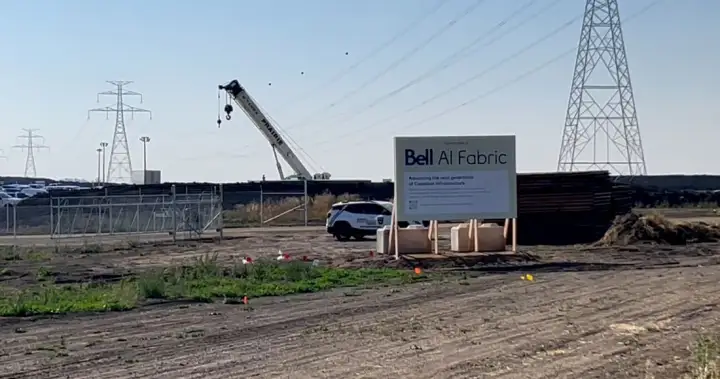
First Nation demands more info on Bell AI data centre near Regina: ‘We have to live here’
37 minutes ago
 AI News
OpenAI sorry for Australia hack, wants to rebuild trust
40 minutes ago
 AI News
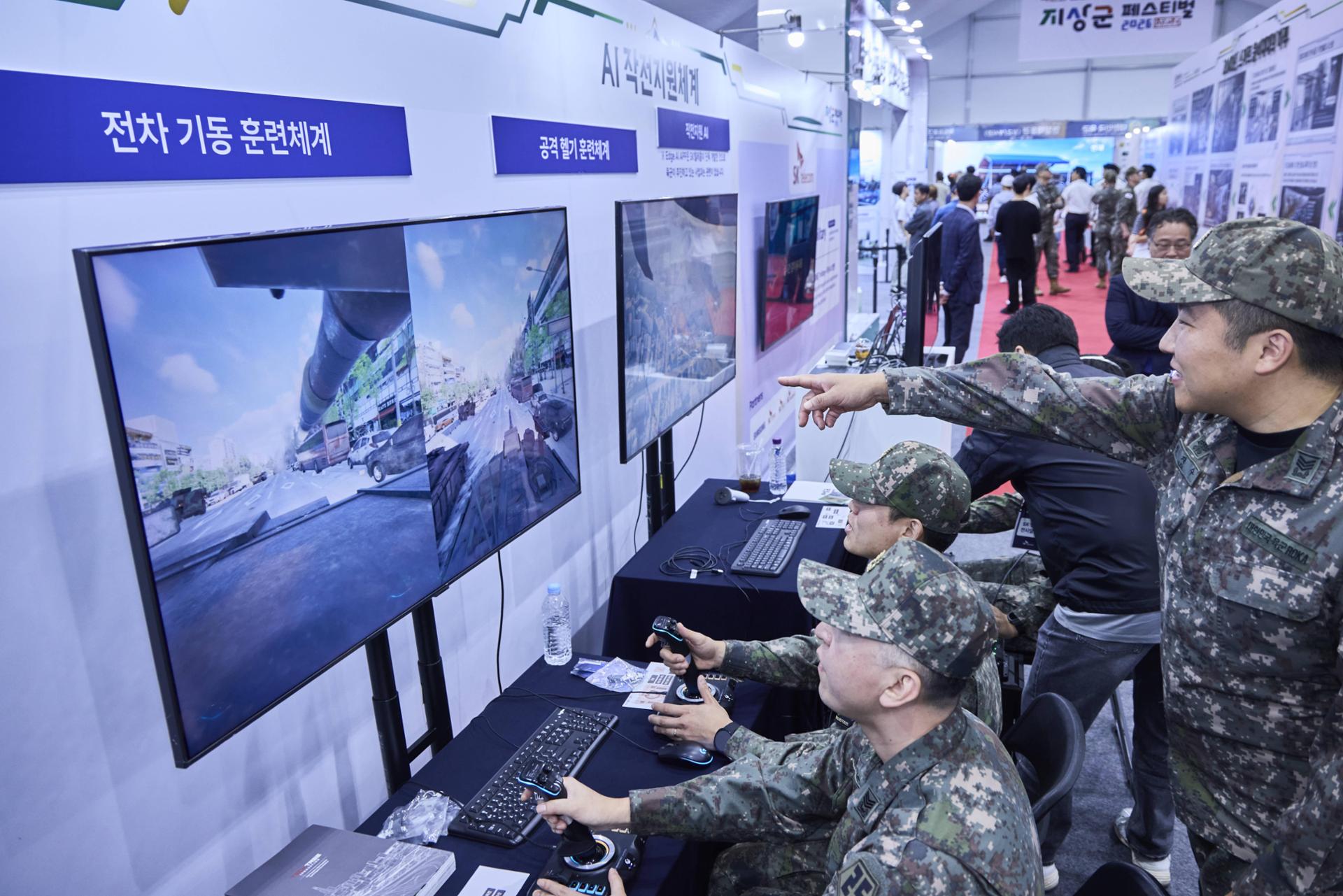
SKT showcases AI battlefield command tools at Army festival
1 hour ago
 AI News
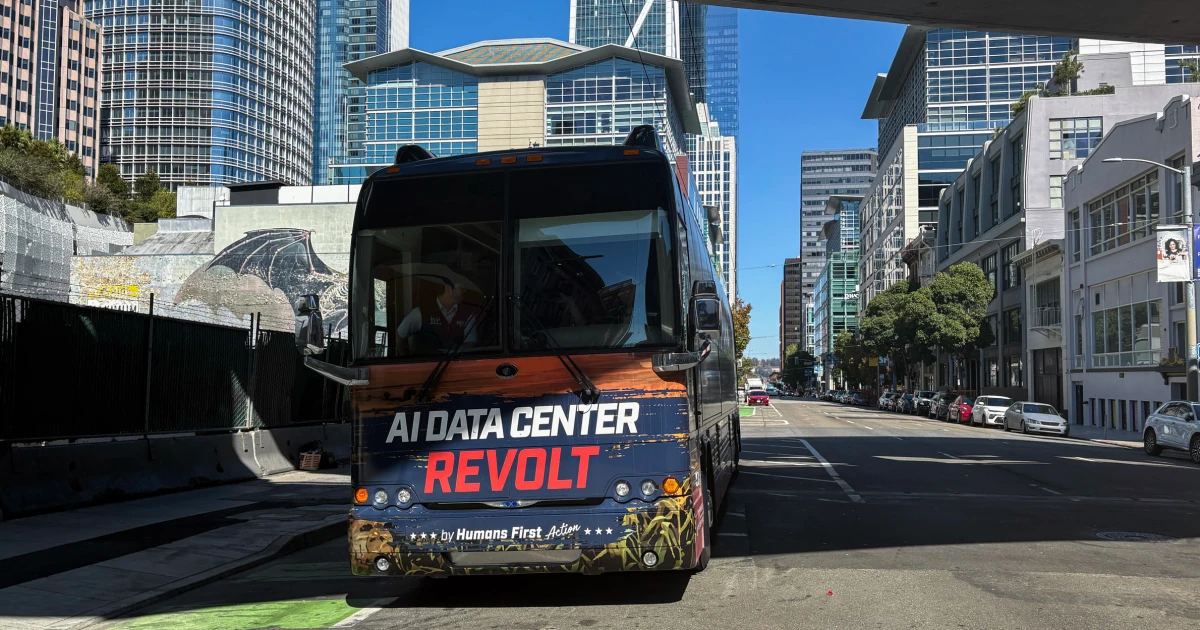
MAGA activists protest AI data centers at Big Tech headquarters in San Francisco
2 hours ago
 AI News
Artificial Intelligence and the Anvil of Ahimsa, Satya, Sarvodaya
2 hours ago
 AI News
OPINIONS: How U.Va. should respond to the changing artificial intelligence landscape
2 hours ago
 AI News
Building AI start
3 hours ago
 AI News
S.Korea eyes idle highway land, rest stops for AI data centers
3 hours ago