
Introducing Muse: The World’s First Personal AI Agent Built for Everyone
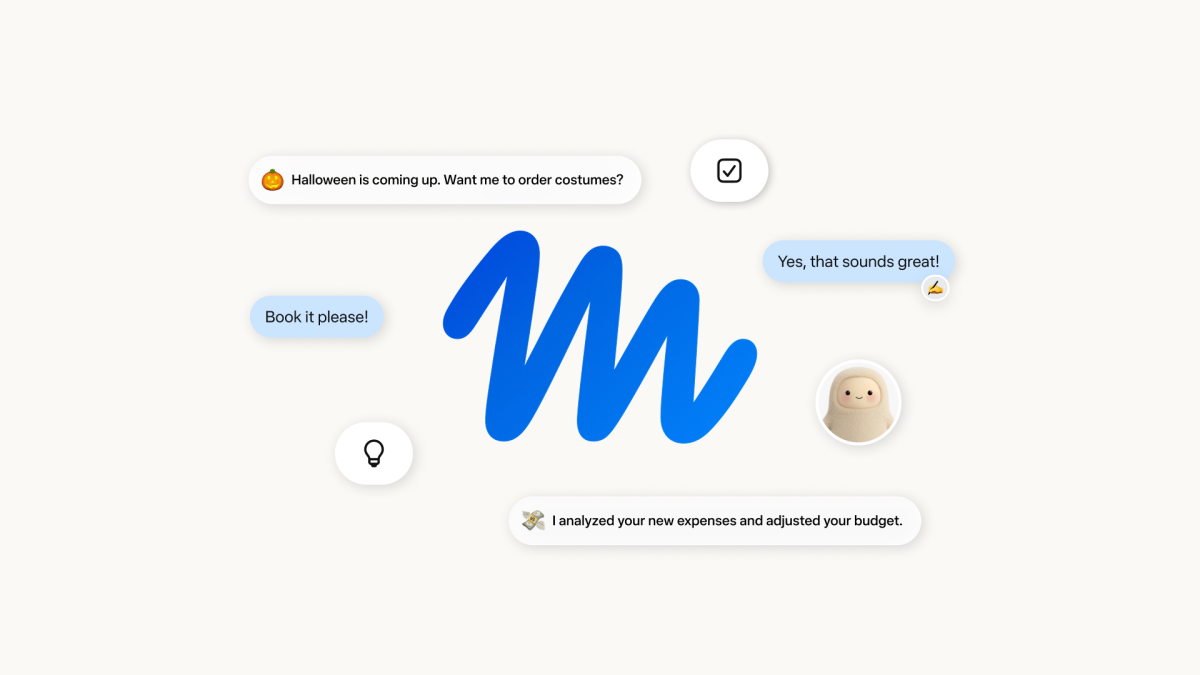
Today, Meta is introducing Muse, a secure, private personal AI agent that proactively helps with people’s goals and suggests ideas. Because personal agents need a new kind of secure computer, Muse runs on Muse Secure VM, a dedicated, virtual machine (VM) that houses both the agent and a person’s data. Muse is designed around the way people already communicate, so talking to it works just like messaging another person, in the Muse app or directly in WhatsApp.
It’s simple to use. People just tell Muse what needs to get done, and it takes action, powered by Muse Spark, Meta’s most capable model to date, built for real-world agentic work like this.
Unlike other agents, Muse was built to work for billions of people worldwide, so there’s no learning curve. Anyone can use it out of the box, no technical experience required. It can handle tasks, like sending an email or booking travel, and it can take on big audacious goals. Once a person shares a goal with Muse, it helps them develop a personalized plan and coordinate their time and resources, then advances the work on its own. It can open a browser, fill out forms, and negotiate on their behalf.
For tasks that take more time, Muse keeps working after people close the app, and comes back when something changes or when it needs approval, like before it sends an email or makes a purchase. It gets better results with less effort: selling a car for more, lowering a bill, adjusting a training plan as the rest of someone’s life shifts.
When it comes time to pay, Muse can checkout with Link built by Stripe, and it is the first AI agent covered by Link’s purchase protections: free coverage for damaged or lost items, price drops, no-fee returns, and a return guarantee on eligible purchases. Link’s wallet for agents generates a one-time-use card so your real card details stay hidden, allowing you to purchase safely across the internet. Shop Pay is coming soon as another way to pay, along with 1Password support so Muse can use logins a person already has.
Muse also remembers what matters to a person, so it can make suggestions unprompted and act on details that person only mentioned once. It can turn a recipe reel the person saved on Instagram into a grocery list, suggest a menu for their dinner party, and remember their friends’ dietary restrictions before it sends the invites.
Built to be Private, Safe, and Secure
Personal agents need a new kind of secure computer, so Meta built one for everyone. Muse Secure VM has first-of-its-kind privacy, safety, and security protections engineered into it that no other agent provides:
Later this year, Meta will introduce Muse Confidential VM, where the whole VM, including a person’s data and conversations with Muse, is encrypted with a key only they hold, so not even Meta can access it.
Meta thinks personal superintelligence will be one of the most transformative technologies of a lifetime. Muse is a first step: an agent that takes on more of the work so people can focus on what matters to them.
Muse is rolling out in the US on iOS, Android, and muse.ai, and coming soon to AI glasses. It’s free for most of what people need, with subscription plans for people who want to do more.
Related Stories
 AI News
AI Has Solved One of Math’s $1 Million Millennium Prize Problems
8 minutes ago
 AI News
Fashion Founder Emily Oberg Says She Tried Using AI for Photo Shoots, and It Was a Failure Because It Will "Never Possess Good Taste" Like Humans Do
8 minutes ago
 AI News
Intelligence agencies warn of China’s large
8 minutes ago
 AI News
U.S. agencies say top Chinese AI companies systematically copied American models
1 hour ago
 AI News
Artificial intelligence moves onto Government and Education agenda
1 hour ago
 AI News
UNT to open new college of artificial intelligence with $20 million gift
1 hour ago
 AI News
Customers push back as restaurants use AI
1 hour ago
 AI News
Artificial intelligence is causing a reckoning in the chemistry intellectual property community
2 hours ago