
Iran and India Share a Civilisational Bond Beyond Politics, Says Supreme Leader's Representative
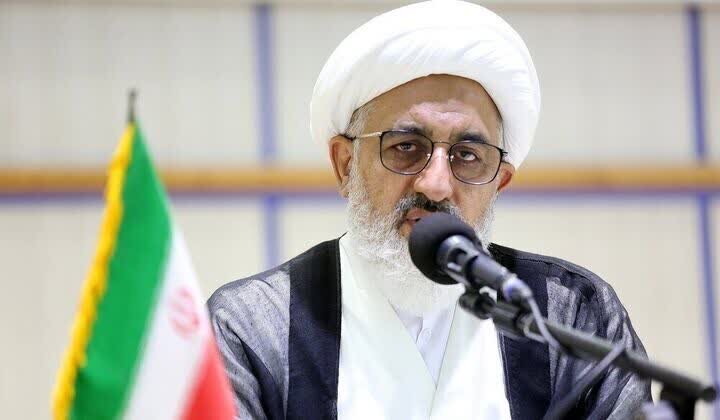
AhlulBayt News Agency (ABNA): He emphasised that his office would continue to operate in full compliance with India's Constitution and laws, focusing exclusively on academic, cultural and religious engagement without any involvement in the country's domestic political affairs.
Speaking at an academic gathering, Hakim Elahi described India as a nation with an ancient civilisation, rich history and remarkable intellectual and cultural heritage.
He noted that Iran, too, possesses one of the world's oldest civilisations, and said the two countries have influenced one another for centuries in the fields of philosophy, literature, mysticism, trade and culture.
He recalled that Persian served for centuries as a language of scholarship and literature in India, describing this shared legacy as one of the strongest foundations of the enduring relationship between the two nations.
Hakim Elahi stressed that Iran-India relations are not shaped by temporary political circumstances but are founded on deep historical connections and longstanding people-to-people ties. He said preserving and strengthening these bonds for future generations should remain a shared priority.
He explained that the primary role of the Office of the Representative of the Supreme Leader in India is to promote academic, educational, cultural and spiritual cooperation, deepen mutual understanding and expand the longstanding friendship between the two countries. To this end, the office intends to encourage collaboration in the fields of education, research, culture, academia, economics and other areas of mutual interest, while fostering closer links between universities, seminaries, research institutions, cultural organisations and scholars.
Hakim Elahi reiterated that the office would not interfere in India's internal affairs or political processes. He said it fully respects India's Constitution, legal framework, national sovereignty and state institutions, and that all of its activities would remain within the bounds of Indian law.
He added that the office seeks to work constructively with the Government of India and the Indian people to promote peace, security, interfaith harmony, educational and cultural cooperation, ethical values and the strengthening of family life.
According to Hakim Elahi, one of the office's key responsibilities is also to present an accurate and positive understanding of the Islamic Republic of Iran to the Indian public. He described Iran as a country with an ancient civilisation, advanced academic institutions, strong economic potential and a rich cultural heritage.
At the same time, he said it is equally important to introduce Iran's people to India's civilisational achievements, scientific progress, technological innovation, educational institutions, healthcare system, industrial development, democratic framework and successes in promoting interfaith harmony. Such exchanges, he said, would help strengthen mutual trust while encouraging tourism, academic partnerships and cultural interaction.
Hakim Elahi said the office aims to serve as a cultural and civilisational bridge between Iran and India, promoting friendship, mutual confidence and cooperation across a wide range of sectors. The better the two nations understand one another, he said, the greater the opportunities for collaboration and shared progress.
He further stressed that today's world needs dialogue, mutual respect, justice, cooperation and peaceful coexistence rather than confrontation. Guided by these principles, the office will continue to encourage understanding and tolerance among different religions, schools of thought and communities.
Describing Iran and India as two of Asia's most influential civilisational powers, Hakim Elahi said both countries possess immense human, scientific, cultural, economic and spiritual potential. If these strengths are harnessed through mutual respect and cooperation, he said, they can make a significant contribution to regional and global peace, stability, justice and sustainable development.
Reaffirming his commitment, Hakim Elahi said the Office of the Representative of the Supreme Leader in India would continue to work closely with the Indian government, universities, academic institutions, cultural organisations and religious bodies to strengthen strategic ties, enhance mutual trust and deepen the longstanding friendship between Iran and India, while fully respecting India's constitutional and legal framework.
He concluded by expressing his gratitude to the Government of India, scholars, cultural figures, religious leaders, universities, intellectuals and the people of India, and offered prayers for lasting peace, prosperity, dignity and stronger friendship between the peoples of Iran and India.
Related Stories
 AI News
Nextech3D.ai launches enterprise pilot for AI workforce platform KraftyLab Intelligence
10 minutes ago
 AI News
World shares are mixed and oil prices climb as Iran threatens to block Middle East energy exports
53 minutes ago
 AI News
One dead and three missing after boat sinks near Alcatraz
54 minutes ago
 AI News
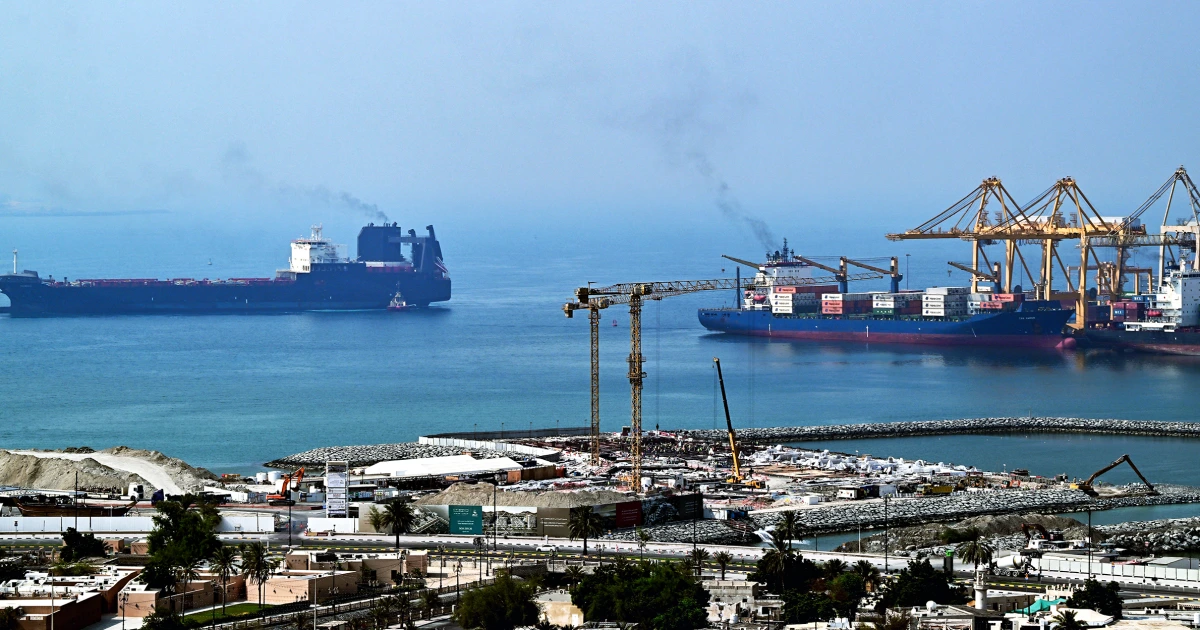
U.S. launches new daylight attacks on Iran, upping pressure alongside naval blockade
54 minutes ago
 AI News
Calls for ICE reform grow after agents kill 2 men in their cars in 1 week
54 minutes ago
 AI News
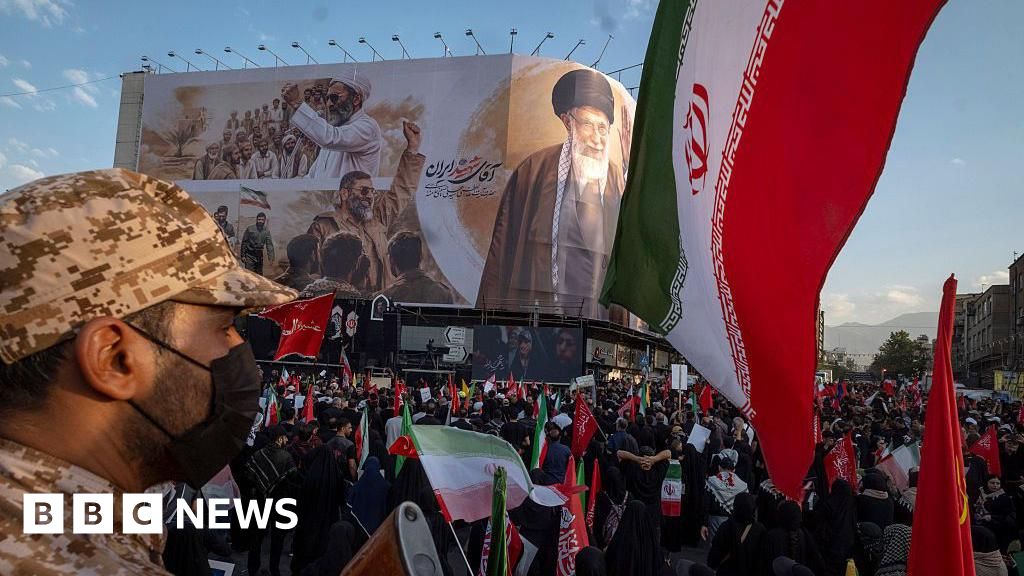
Iran threatens to block more trade routes as US launches fresh strikes
54 minutes ago
 AI News
Wildfire smoke blankets Ontario: Air Quality Health Alert
55 minutes ago
 AI News
New art at Nanaimo’s McGregor Park to commemorate Japanese Canadians
55 minutes ago