
Iran retaliates after US strikes oil tankers

Iran retaliates after US strikes oil tankers
A woman pushes a girl on a swing on a beach along Hormuz.
Iran on Sept. 6 said that its forces attacked a U.S. naval drone trying to enter the Strait of Hormuz, hours after targeting ships in retaliation for American strikes on three oil tankers.
The latest round of clashes, which began with U. S. raids last week, comes amid a deadlock in their six-month war.
Iran has maintained its stranglehold on the strategic Strait of Hormuz while Washington continues a counter-blockade of Iranian ports.
Washington is also seeking to choke Iran’s economy, rolling out sanctions on entities with financial links to the Islamic republic in a bid to force it into submission.
The Islamic Revolutionary Guard Corps, the ideological arm of Iran’s military, said on Sept. 6 that it “attacked an American military unmanned surface vessel” attempting to enter the strait, according to a statement carried by state television.
Hours earlier, the IRGC said its naval forces “targeted three oil tankers on the unauthorized route of the Strait of Hormuz and three vessels affiliated with the child-killing America in other areas.”
It warned ships not to attempt to transit by unapproved routes.
On Sept. 5, US Central Command (CENTCOM), which oversees American military operations in the region, said it struck tankers linked to the Iranian Guards, accusing the most powerful arm of the Iranian military of unsuccessfully firing at American warships.
The three vessels were “part of a multibillion-dollar shadow network that funds the IRGC and its regional proxies,” it said.
Iran’s top negotiator Mohammad Bagher Ghalibaf threatened on Sept. 6 to launch swifter and more forceful responses to U.S. attacks.
“The Americans must have understood that the era of proportionate responses has come to an end,” said Ghalibaf in a speech carried by state media, adding that “any aggression against Iran’s interests and security will receive a faster, more intense and more painful response.”
Meanwhile, Iran’s Economy Ministry has established an “economic war headquarters” to coordinate and accelerate responses to economic problems arising from wartime conditions, Deputy Economy Minister Morteza Zamanian said on Sept. 6.
Zamanian told the Tasnim news agency that the body would initially focus on issues falling within the ministry’s responsibilities and authorities.
He said it would seek to quickly address war-related problems affecting businesses, trade, financing and other areas of the economy.
For issues extending beyond the ministry’s authority, Zamanian said the ministry would use its role in broader economic policymaking, including through the government’s economic commission and economic headquarters, to coordinate among institutions and pursue solutions at higher levels.
The main function of the new body is to centrally identify disruptions caused by wartime conditions and develop practical solutions, he said.
Related Stories
 Finance
Councillor hits back at 'outrageous' bypass claims
2 hours ago
 Finance
German exit polls suggest far
5 hours ago
 Finance
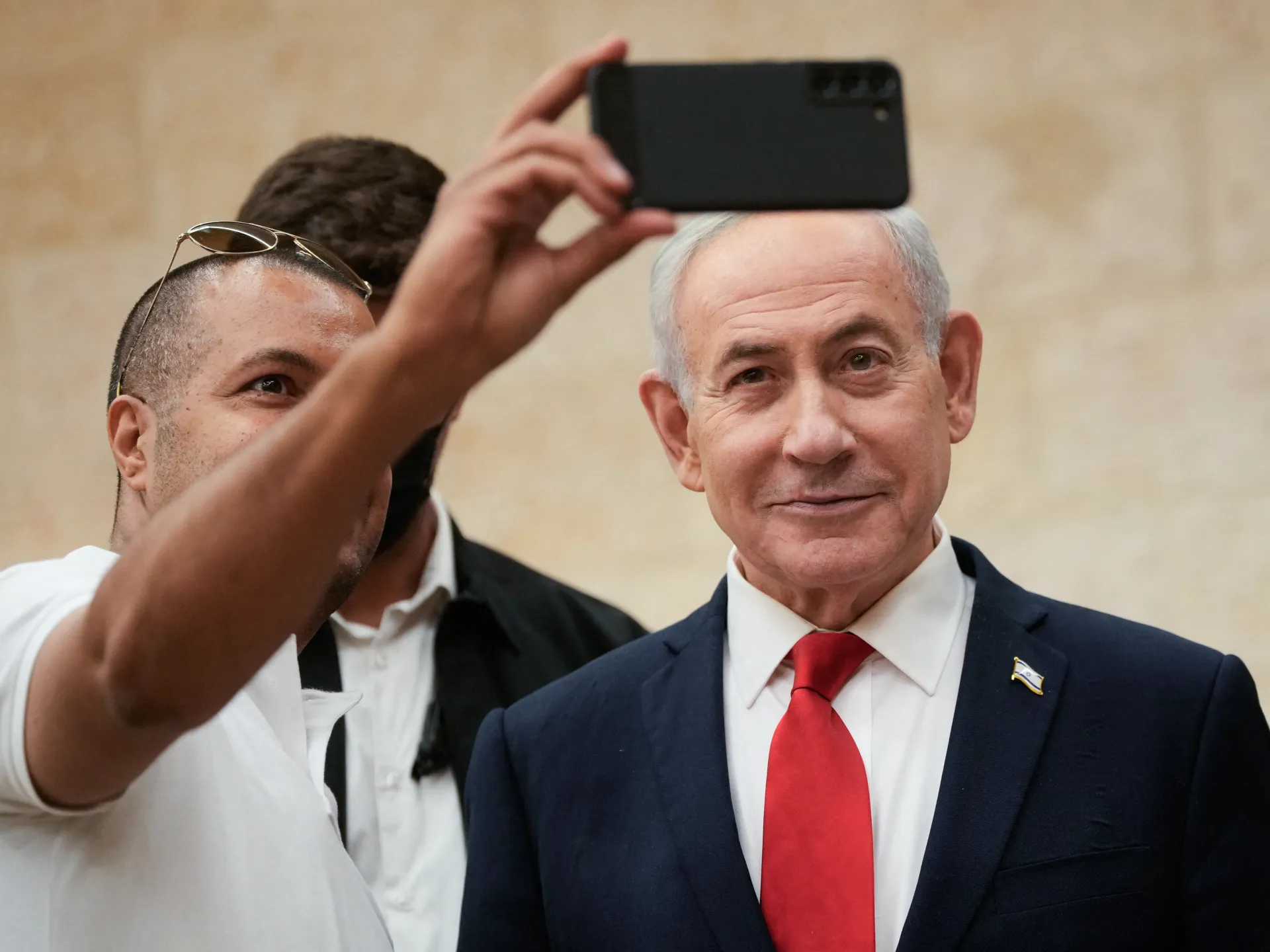
Netanyahu boasts about bombing Qatar, says Gaza funds used for aid
9 hours ago
 Finance
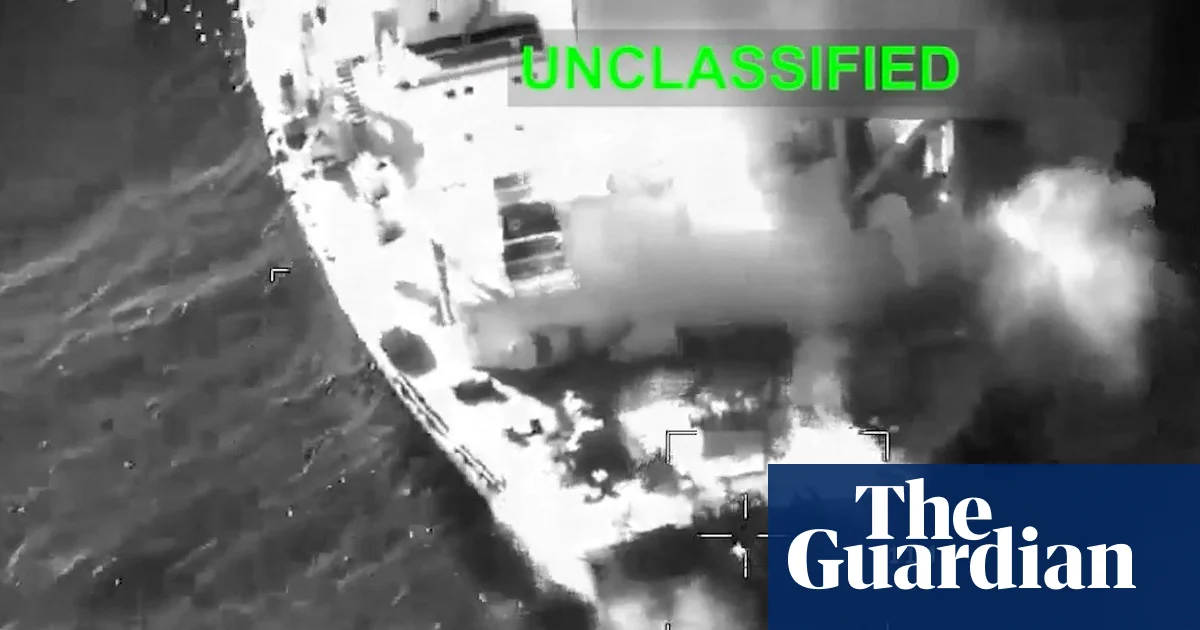
US military says it struck three Iranian tankers after American warships came under missile attack
15 hours ago
 Finance
The Venezuelan billionaire the U.S. investigated for money laundering now has a Pentagon oil deal
1 day ago
 Finance
Trump ranks himself the greatest US president ever. Historians beg to differ
1 day ago
 Finance
Five former B.C. Conservative MLAs form new provincial party
1 day ago
 Finance
Trump’s ‘retribution’ could now include Falklands as favor to Milei
2 days ago