
Iran's president says country won't surrender after Trump threat to 'annihilate' Islamic Republic
Iran's president says country won't surrender after Trump threat to 'annihilate' Islamic republic
Iranians have been target of 'cowardly attacks and aggressions,' said Masoud Pezeshkian
'We will not bow our head,' Iranian president says in UN General Assembly address
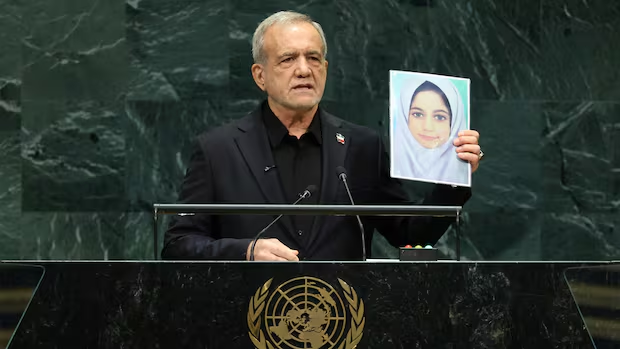
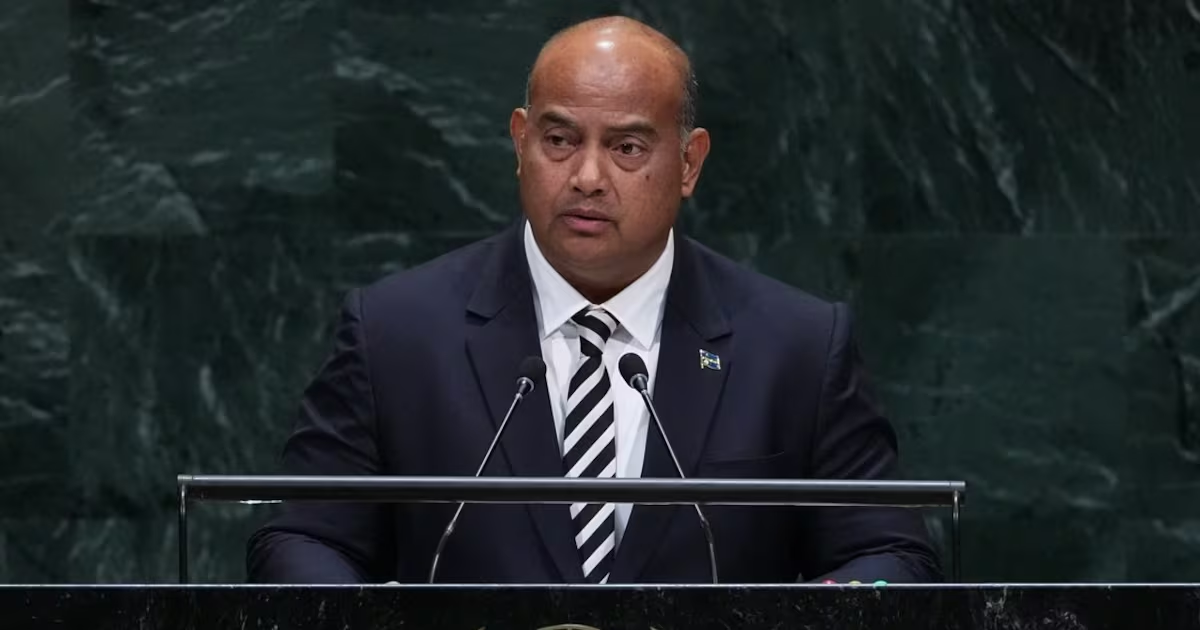
Iranian President Masoud Pezeshkian did not mince words in a rare and defiant speech at the United Nations General Assembly on Wednesday, a day after U.S. President Donald Trump suggested he may "annihilate" Iran amid the nearly seven-month war on the Islamic republic.
In his UN address, Pezeshkian said the Iranian people have been "victims of terrorism" by the United States and Israel, while holding up photos of the more than 150 schoolchildren killed on the first days of the war in March, as well as of the late supreme leader Ali Khamenei.
"We have only defended ourselves. We are not terrorists," Pezeshkian told the annual gathering of world leaders.
"Our innocent people have been the targets of cowardly attacks and aggressions imposed upon our country. And we defended ourselves with utmost strength. America and Israel attacked us."
Pezeshkian said Iran will not surrender in the war with the United States, but believes in diplomacy to try to end the conflict.
"We will never bow our head or bend at the knee," he said, adding that Washington does not understand the country it seeks to "bully."
Pezeshkian — who is considered a moderate politician within Iran's political landscape — arrived in New York under heavy security and scrutiny on Tuesday.
In response to Pezeshkian, U.S. and Israeli officials said that it was hypocritical for the Islamic republic to present itself as the victims.
"I don't know what standing Iran has to lecture anyone on human rights or the international system when they habitually violate it," said U.S. Secretary of State Marco Rubio.
Members of the U.S. delegation walked out at the start of Pezeshkian's address on Wednesday. The U.S. mission to the United Nations did not immediately respond to Reuters' request for comment.
On Tuesday, Iran's delegation had walked out during Trump's speech.
Trump had used his speech to make the case for his war on Iran, arguing he has prevented Tehran from obtaining a nuclear weapon and warning that he could "annihilate the Islamic republic" if no deal is reached to end the conflict.
Trump delivers boastful UN speech brimming with threats
Trump said one option is making a deal that allows Iran to become a "far greater country" than ever before.
"Or do I annihilate the Islamic republic and do it quickly, never giving them a chance to kill and destroy people and countries again? Do I drive them into hell with no chance of survival and no hope of future greatness or generations?"
The Strait of Hormuz, the conduit for one-fifth of global oil and liquefied natural gas before the war, has become a focus of tensions between Iran and the U.S.
"It cannot be the case that everyone benefits from the Strait of Hormuz while we are denied access to shipping through this waterway. The permanent deployment of hostile fleets and the expansion of the war will not lead to peace," Pezeshkian said.
Trump flexes 'American power' on UN's biggest stage
Saudi Arabia confirms Yemen's Houthi rebels tried to attack its capital with a ballistic missile
In a potential new flashpoint, Iran also threatened to act against its neighbours if they abide by new U.S. sanctions intended to ground Iranian civilian aircraft worldwide.
Washington has said it will impose so-called secondary sanctions against any country that allows Iranian flights after Wednesday. Mohsen Rezaei, secretary of Iran's Supreme National Security Council, told state TV that Iran would ensure neighbouring countries' airports could not function if they stop Iranian flights.
U.S.-Iran talks held on sidelines
U.S. Secretary of State Marco Rubio said Tuesday that Trump is open to meeting with Pezeshkian while he's in New York.
Trump told reporters that his chief envoys, Steve Witkoff and Jared Kushner, had a "very good meeting" with the Iranian officials on the sidelines of the annual gathering, though he offered few details on the discussions.
Meanwhile, Tehran downplayed Tuesday's exchange, which were the first indirect talks between U.S. and Iranian officials since a June ceasefire unravelled within weeks over shipping rules. Iran wants to exert control and collect fees from ships that use the strait, which Washington rejects.
UN mission finds 'grounds to believe' U.S. committed war crimes in strikes on Iranian school, sports centre
Esmail Baghaei, an Iranian Foreign Ministry spokesperson, maintained the country's negotiating position in talks with U.S. officials, demanding that Washington end its blockade of Iranian ports and release frozen Iranian assets.
Baghaei said the talks — conducted indirectly through Qatari mediators — were "not anything new."
The diplomatic opening helped keep oil prices near two-week lows. Brent crude hovered around $100 US a barrel after surging earlier this month when Yemen's Iran-backed Houthis launched a major offensive, threatening traffic through the Red Sea, an alternative Saudi export route.
Pezeshkian's address elaborated on where Tehran stands as more than a year of start-stop negotiations between the two longtime adversaries have failed to produce a sustainable solution.
His speech came as intermittent attacks continued in the Strait of Hormuz off Iran's coast, where commercial shipping remained below prewar levels.
Pezeshkian's address last year came months after the 12-day Israel-Iran war that saw the assassination of many of the Islamic republic's highest military and political leaders and once again broke down weeks of negotiations with the United States.
Sara Jabakhanji is a Toronto-based senior writer assigned to cover news developments in the Middle East. She has worked in CBC bureaus in Ottawa, London and Toronto. You can reach her at sara.jabakhanji@cbc.ca.
With files from Reuters and The Associated Press
Related Stories
 World
World
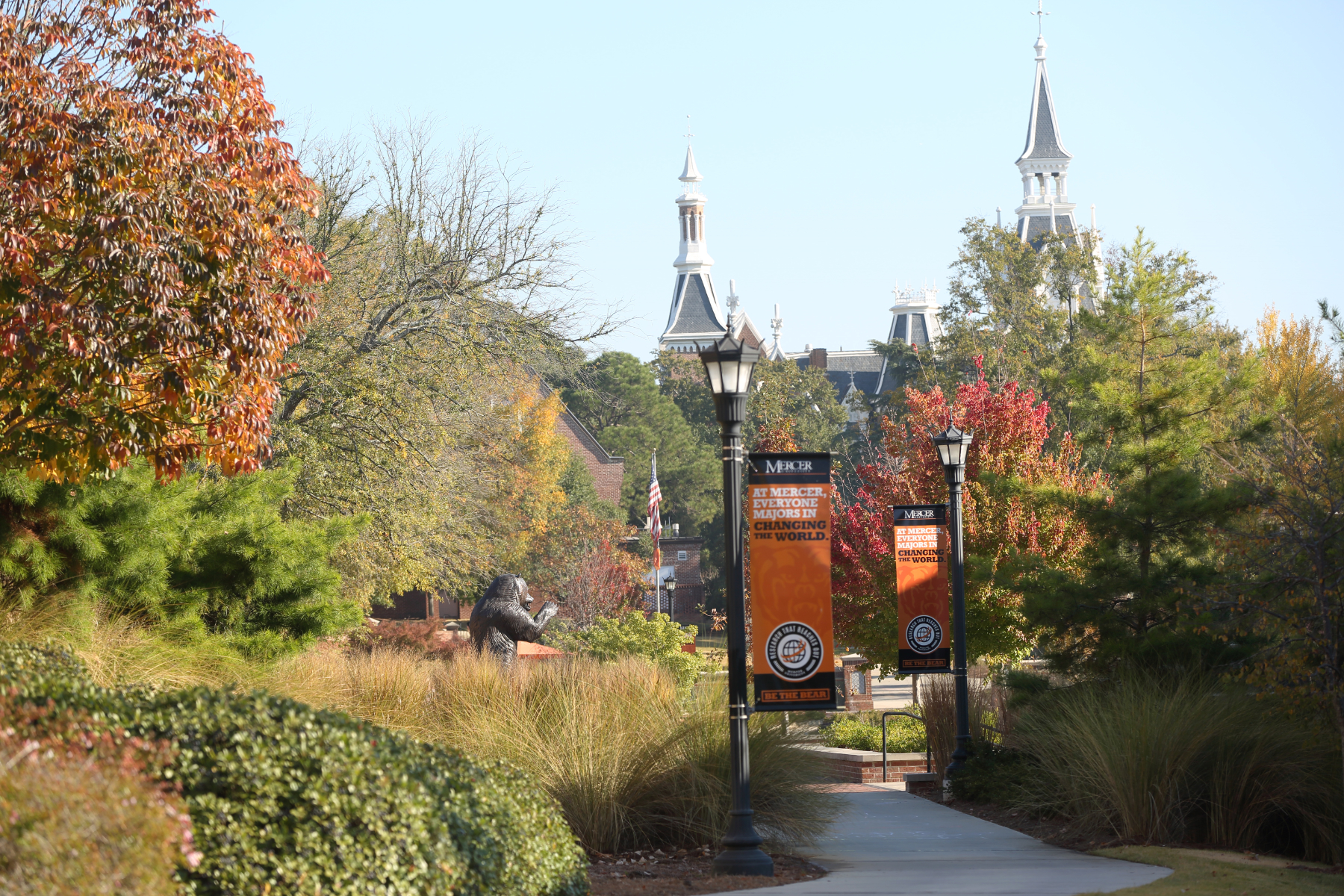
Mercer rises in nation’s top university rankings by U.S. News & World Report
41 minutes ago
 World
World
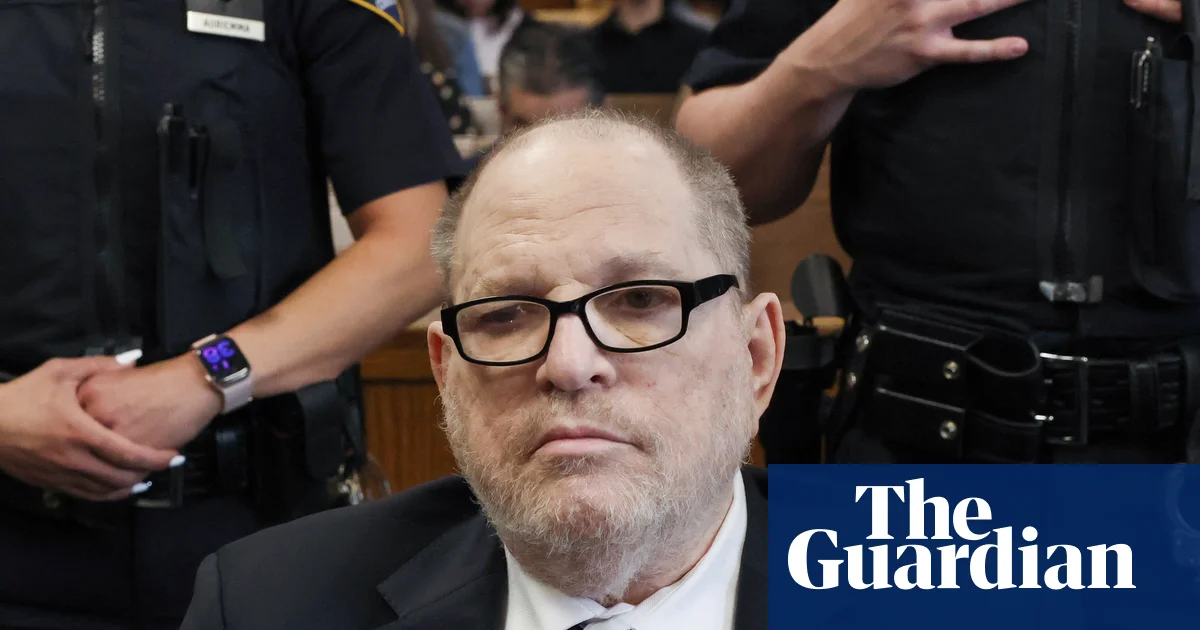
Harvey Weinstein sentenced to 15 years after sexual assault conviction
42 minutes ago
 World
World
Iran and US have held talks on sidelines of UN summit, says Donald Trump
1 hour ago
 World
World
Northwood University Named Among U.S. News & World Report’s 2027 Best Colleges
1 hour ago
 World
World
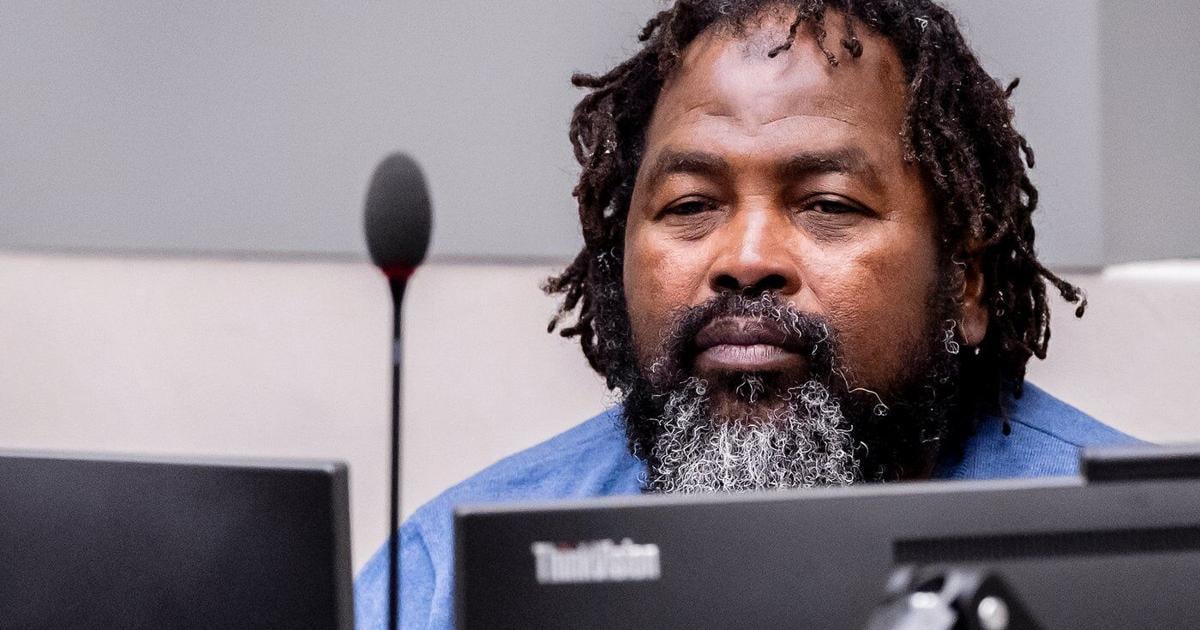
ICC convicts former Central African Republic militia commander of torture
1 hour ago
 World
World
Iran’s president strikes a defiant tone at U.N. after Trump threats
1 hour ago
 World
World
Hurricane Polo fuels fears of landslides and flooding in Mexico's southwest
2 hours ago
 World
World
A nation renamed stands up at the UN: 'Say our name. Naoero.'
2 hours ago