
IRCC updates temporary residence processing times

Temporary residence processing times have shifted across several application categories, according to updated estimates from Immigration, Refugees and Citizenship Canada (IRCC), current as of Nov. 25, 2026.
IRCC's Nov. 25 update brought several notable changes, including:
Schedule a Free Work Permit Consultation
IRCC also reported a one-week decrease in processing times for in-Canada work permit extensions and a 16-day reduction for visitor records.
The next revision to Canada’s published temporary residence processing timelines is anticipated on or around Dec. 2.
This article examines changes in IRCC’s estimated wait times between Nov. 18 and Nov. 25, with separate comparison periods applied to extensions.
Work permit processing times were largely unchanged from the previous week, apart from a one-week decrease for India and a one-week increase for the U.S.
This week’s study permit figures show one-week increases for applications submitted from Canada, Pakistan, Nigeria, and the Philippines, against unchanged estimates for India and the U.S.
IRCC’s Nov. 25 visitor visa figures show shorter wait times for Pakistan, Nigeria, and the Philippines, contrasting with modest increases for India and the U.S.
The Philippines recorded the largest improvement in super visa processing times this week, down 17 days, while the U.S. saw the greatest increase, up 11 days.
*Super visa applications can only be submitted from outside Canada.
Below are the latest wait times for visitor records, as well as study and work permit extensions submitted from within Canada:
The processing time estimate for work permits covers applications for post-graduation work permits, bridging open work permits, and changes to work permit conditions.
IRCC’s inventory of permit extension applications stood at 180,000 (-7,900) for work permits and 24,700 (-200) for study permits as of Nov. 21.
The difference between IRCC’s processing times and service standards
The immigration department uses two separate indicators to communicate application processing timelines: processing times and service standards.
Processing times offer an approximate time frame for receiving a decision following application submission. They neither guarantee a decision within the stated period nor represent the longest an applicant may have to wait.
Depending on application type, these figures are informed by either:
Service standards, on the other hand, measure processing performance against established departmental objectives, specifying the time frames within which IRCC aims to finalize 80% of applications under ordinary operating conditions.
Actual wait times may be shorter or longer than either published figure, reflecting variables such as application complexity, processing volumes, resource constraints, requests for additional documentation, and further checks.
IRCC typically updates temporary residence processing estimates weekly and permanent residence and citizenship estimates monthly. Service standards are revised less often, with those for temporary residence last reviewed in 2018–2019.
According to departmental data, 2,292,410 temporary residence applications were finalized in the first nine months of 2026, while 347,935 remained in the processing inventory at the end of September.
Related Stories
 Immigration
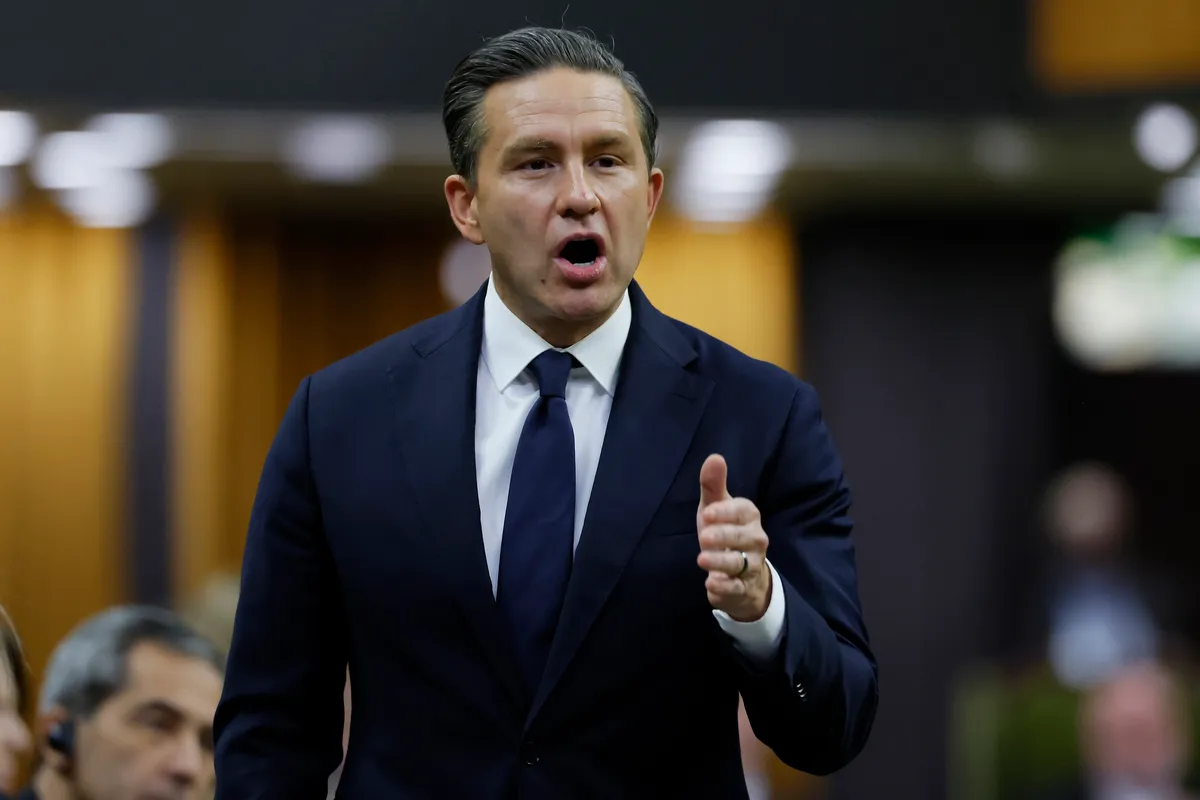
Poilievre and Carney trade barbs as House rejects Conservative immigration motion
5 hours ago
 Immigration
Kilmar Abrego Garcia, who faced U.S. deportation efforts and 'vindictive prosecution,' arrives in Spain
11 hours ago
 Immigration
Sports Direct owner Frasers Group teams with Visa on launch of Frasers Plus virtual Visa card
19 hours ago
 Immigration
Prince Edward Island selects 116 workers to pursue provincial nomination
23 hours ago
 Immigration
Self Employed Visa Canada – NON Federal Options – Canada PR
1 day ago
 Immigration
Anti
1 day ago
 Immigration
Minister defends 2027 permanent residency plan, says 'vast majority' are already in Canada
1 day ago
 Immigration
 weekly update: November 19, 2026
1 day ago