
Islamic Perspectives on Artificial Intelligence & Ethics
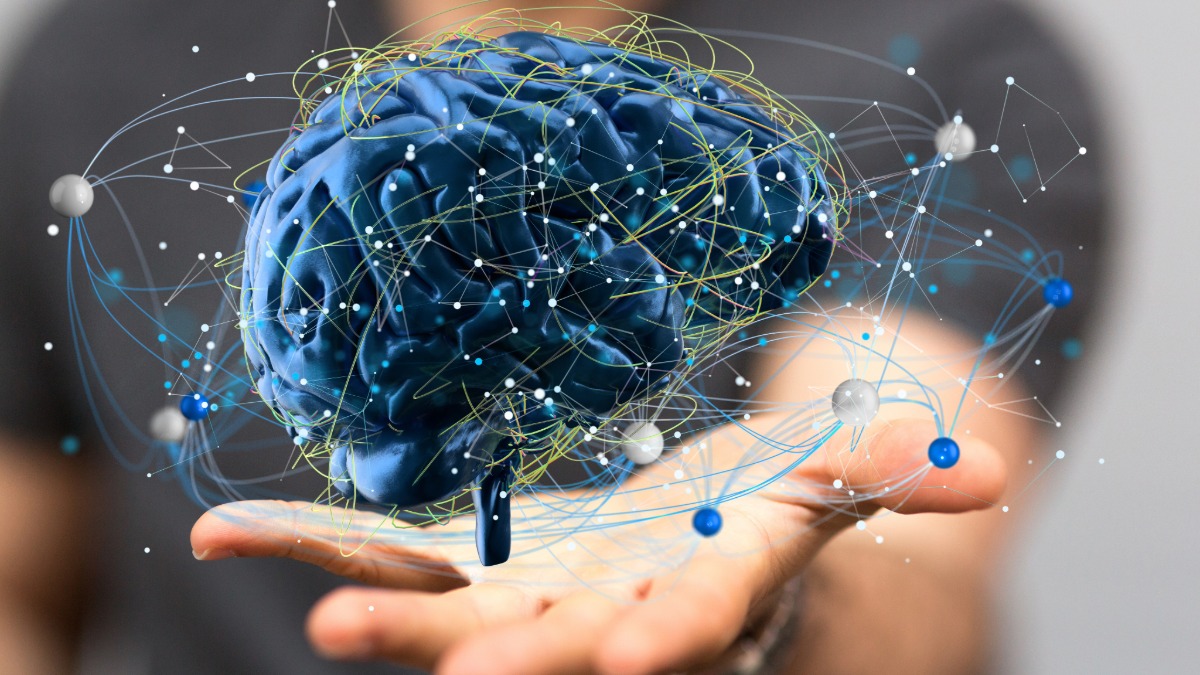
When examining Islamic perspectives on artificial intelligence, it is clear that the contemporary world stands at the precipice of a profound technological renaissance, driven by the exponential evolution of artificial intelligence and breakthroughs in genetic engineering. These twin frontiers no longer belong to the realm of theoretical science fiction; they are actively reshaping medicine, governance, cognitive automation, and the foundational structures of human life. As autonomous algorithms begin to mimic human cognition and tools like CRISPR-Cas9 afford scientists the ability to rewrite the biological code of living organisms, humanity is forced to confront existential questions regarding identity, agency, and responsibility. For Muslims, these rapid shifts cannot be navigated through blind adoption or reactionary isolation. Instead, they demand a rigorous intellectual engagement rooted in the immutable text of the Quran and the lived example of the Sunnah. By filtering modern innovation through the comprehensive objectives of divine law, Islamic jurisprudence provides a balanced, ethically grounded framework that welcomes progress while firmly safeguarding the sanctity of human dignity and the natural order established by the Creator.
At the core of the Islamic response to modern technological advancement is a foundational paradigm shift regarding human capability and stewardship. Within the Islamic worldview, human intellect, creativity, and the capacity for scientific discovery are not seen as rebellious acts of defiance against the divine, but rather as manifestations of a God-given trust. The pursuit of knowledge is an explicit religious obligation, and the physical universe is described in revelation as a canvas of signs designed to be explored, understood, and utilized for the collective betterment of creation. However, Islam rejects the secular notion of absolute autonomy, where scientific capability automatically justifies implementation. The premise that humanity can alter biological structures or simulate consciousness without accountability contradicts the principle of divine sovereignty. Therefore, the integration of cutting-edge technologies must always be governed by an ethical compass that prioritizes spiritual well-being, social justice, and systemic balance over commercial gain or hubristic ambition.
The Limits of Creation and the Prohibition of Changing God’s Design
To construct a coherent Islamic critique of both genetic editing and artificial intelligence, one must first analyze the ontological boundaries established by revelation regarding the physical form and the natural order. The Quran explicitly warns against the psychological traps that lead humanity to alter the creation of God out of arrogance or misguidance. In a powerful scriptural warning, the text exposes the ultimate objective of the devil, who vows to lead humanity astray, command them to slit the ears of cattle, and command them to alter the creation of God. Classical and contemporary scholars of exegesis note that altering creation applies directly to unwarranted, radical modifications of the natural state of things that disrupt human nature, biological integrity, or the ecological balance. When applied to genetic editing, this verse serves as a primary textual barrier against non-therapeutic genetic enhancements, such as engineering cosmetic traits, altering emotional dispositions for societal engineering, or designing designer babies, which seek to override the diverse, deliberate design of the Almighty.
This scriptural principle is further cemented by explicit prophetic traditions that condemn artificial alterations of the human body performed for purely vain, aesthetic reasons. It is recorded in the authentic compilation of Imam al-Bukhari, on the authority of Abdullah ibn Mas’ud, that the Prophet Muhammad, peace be upon him, cursed women who practice tattooing and those who seek to be tattooed, and those who remove facial hair, and those who create spaces between their teeth for artificial beautification, who alter the creation of Allah. This tradition establishes a profound legal precedent in Islamic bioethics: modifying the human form out of vanity, societal pressure, or a desire to conform to a superficial standard of perfection is strictly prohibited because it represents a rejection of the divine mold. Conversely, jurisprudence derives from this same text that corrective or therapeutic interventions aimed at alleviating pain, curing debilitating genetic diseases, or restoring lost functionality are not only permissible but highly encouraged, as they fall under the sacred duty of healing and preservation.
When extending this dynamic to artificial intelligence, the prohibition against mimicking or competing with divine creative power becomes highly relevant. In a tradition narrated by Imam Muslim in his authentic collection, on the authority of Aisha, the mother of the believers, the Messenger of Allah stated that the people who will receive the most severe punishment on the Day of Resurrection will be those who try to imitate the creation of Allah. Historically applied to physical image-making and idolatry, contemporary jurists utilize the underlying legal rationale of this narration to analyze the development of sentient-seeming AI and humanoid robotics. If engineers attempt to create machines with the explicit intention of replicating the unique human soul, claiming to bestow genuine consciousness, or asserting that technology can replace the spiritual essence of human life, they cross an ethical boundary into spiritual hubris. Artificial intelligence must always be contextualized as a sophisticated tool of data processing and computational logic, completely devoid of an independent spirit, moral accountability, or a sacred essence.
Bioethical Imperatives of Genetic Editing: CRISPR and Germline Modification
The application of genetic editing tools within Islamic bioethics requires a sharp, legally defined distinction between somatic cell editing and germline modification. Somatic editing involves altering the non-reproductive cells of an individual to treat a specific disease, such as sickle cell anemia, muscular dystrophy, or blindness, ensuring that the genetic changes are confined to that single patient. Islamic legal bodies worldwide, including the International Islamic Fiqh Academy, view somatic gene therapy as entirely permissible, classifying it under the established sunnah of medical treatment. The Prophet Muhammad emphasized this medical imperative in a tradition recorded by Imam Abu Dawud in his Sunan, on the authority of Usamah ibn Sharik, who related that a group of bedouins asked if they should seek medical treatment, to which the Prophet replied, “Make use of medical treatment, for Allah has not made a disease without appointing a remedy for it, with the exception of one disease, namely old age.” This directive provides absolute legitimacy to genetic therapies that target debilitating illnesses, viewing them as a fulfillment of the divine command to seek cures.
The ethical calculus shifts dramatically, however, when examining germline genetic editing, which involves modifying the reproductive cells or early-stage embryos. Because edits made to the germline are hereditary, they permanently alter the genetic lineage of all future descendants, introducing irreversible changes into the human gene pool. The primary concern within Islamic law regarding germline intervention is the potential disruption of gene pools, the unintended introduction of biological anomalies, and the exploitation of vulnerable human embryos. The Quran emphasizes the systematic, meticulous nature of human development in the womb, stating that God fashioned humanity from a quintessence of clay, then placed him as a drop of sperm in a place of rest, firmly fixed, then made the sperm into a clot of congealed blood, then of that clot made a fetus lump, then made out of that lump bones and clothed the bones with flesh, then developed out of it another creature. This description underscores that embryonic development is a highly orchestrated divine process that must not be subjected to reckless, unguided experimentation or genetic manipulation.
Furthermore, the higher objectives of Islamic law, known collectively as the Maqasid al-Shariah, serve as the ultimate legal metric for evaluating these biotechnological practices. The Shariah is structurally built upon the preservation of five foundational necessities: religion, life, intellect, lineage, and property. Germline editing directly intersects with the preservation of life and the preservation of lineage. If genetic engineering is utilized to eliminate hereditary diseases before birth, it aligns perfectly with the preservation of life. However, if it is used to arbitrarily alter human traits, scramble ancestral lines, or create a tier of genetically enhanced individuals, it violates the preservation of lineage and threatens social equity. Therefore, the consensus of contemporary Muslim jurists mandates a strict precautionary principle: germline editing must remain prohibited until scientific research can guarantee absolute safety, eliminate the risk of off-target mutations, and establish an international regulatory framework that prevents the commodification of human life.
Algorithmic Justice and the Soul: Islamic Perspectives on Artificial Intelligence
As artificial intelligence systems assume greater control over societal infrastructure, from automated judicial sentencing and financial credit scoring to autonomous weaponry, the focus of Islamic critique expands from biology to ethics, justice, and cognitive responsibility. Islam views the capacity for rational thought, moral agency, and accountability as unique gifts bestowed exclusively upon humanity and the spiritual world. The Quran declares that God has indeed honored the children of Adam, provided them with transport on land and sea, given them for sustenance things good and pure, and conferred on them special favors above a great part of creation. This ontological honor is directly tied to the human intellect and the capacity to make moral choices. Consequently, an algorithm, no matter how complex its neural network or how vast its training data, can never possess a moral conscience, a soul, or a genuine sense of accountability before the Creator.
This distinction carries immense legal implications for the deployment of machine learning models. Under Islamic jurisprudence, accountability for an action cannot be transferred to a machine. If an AI system makes an error that results in financial ruin, medical negligence, or the loss of innocent life, the ultimate moral and legal liability rests entirely upon the human actors involved: the developers, the operators, or the regulators who deployed the system. This principle is illustrated by a legal maxim derived from a prophetic tradition recorded by Imam Ibn Majah, on the authority of Ibn Abbas, where the Messenger of Allah stated that there should be neither harming nor reciprocating of harm. This comprehensive rule forms the foundation of the Islamic law of torts, requiring that any technology introduced into the public sphere must have its potential harms meticulously calculated, minimized, and accounted for by human stewards.
The Intersection of Automation and Human Purpose
The rapid advance of cognitive automation and artificial intelligence also forces a critical re-examination of the meaning of labor, community, and human purpose within an Islamic economic framework. As machine learning models automate tasks previously performed by human thinkers, writers, and laborers, large sectors of the global workforce face displacement. Unlike secular economic models that often treat human labor purely as a factor of production to be minimized for maximum corporate profitability, the Islamic economic philosophy views work as an act of worship and a means of fulfilling one’s duty to society. The Prophet Muhammad emphasized the dignity of honest labor in a tradition recorded by Imam al-Bukhari, on the authority of Al-Miqdam, stating that no one has ever eaten a better meal than that which he has earned by working with his own hands.
When AI is deployed ruthlessly to mass-terminate human employment without providing social safety nets or retraining programs, it disrupts the socioeconomic stability of families and communities, directly violating the preservation of property and life outlined in the Maqasid al-Shariah. Therefore, Islamic perspectives advocate for a collaborative human-AI ecosystem rather than a competitive replacement model. Technology should be designed to augment human capability, removing mundane, hazardous, or repetitive tasks so that human beings can engage in higher-level creative, intellectual, and community-oriented endeavors. The deployment of automation must be managed by governance structures that prioritize public welfare over unchecked capital accumulation, utilizing mechanisms like corporate social responsibility and ethical taxation to redistribute the wealth generated by automated systems to support displaced workers.
Furthermore, the rise of AI-generated content and deepfake technology introduces unprecedented challenges to the preservation of truth and the integrity of human communication. The ease with which digital media can be fabricated threatens to erode public trust, ruin individual reputations, and destabilize entire societies through the spread of misinformation. Islamic ethics places an absolute premium on truthfulness and the rigorous verification of news. The Quran explicitly instructs the believers that if a wicked person comes to them with any news, they must ascertain the truth, lest they harm people unwittingly and afterwards become full of repentance for what they have done. This scriptural mandate requires the development of robust technological tools designed to detect fabrications, alongside the enforcement of strict legal penalties for those who utilize AI to commit slander, distribute fraud, or manipulate democratic processes, ensuring that the digital landscape remains an environment of safety, transparency, and mutual trust.
Synthesizing Progress: Islamic Perspectives on Artificial Intelligence for the Future of Humanity
The dramatic arrival of artificial intelligence and genetic editing does not catch the intellectual tradition of Islam unprepared; rather, it highlights the timeless flexibility and moral depth of its foundational texts. When examined through the balanced lenses of the Quran, the Sunnah, and the comprehensive objectives of the Shariah, these technological fields transform from terrifying ethical minefields into powerful opportunities for human advancement. The Islamic perspective avoids both the reckless optimism of techno-utopianism, which pursues innovation without moral boundaries, and the defensive fear of neo-Luddism, which rejects progress out of hand. Instead, Islam offers a courageous third path: an ethical framework that embraces scientific brilliance while keeping it anchored to human dignity, justice, and spiritual purpose.
By drawing clear, unshakeable legal lines between therapeutic healing and hubristic alteration, and between automated tools and moral accountability, Islamic jurisprudence ensures that science remains a dedicated servant to humanity rather than its master. Genetic editing must be championing the eradication of disease while respecting the sacred boundary of human identity, and artificial intelligence must be harnessed to uplift human intellect, optimize justice, and distribute wealth equitably across the globe. As humanity continues to step forward into uncharted technological territory, the eternal guidance of Islam provides a brilliant lighthouse, ensuring that as our machines become smarter and our biological tools become more precise, our societies remain profoundly compassionate, deeply just, and permanently connected to our Creator.
Related Stories
 AI News
Bill Gross bets AI can help mass
23 hours ago
 AI News
Nigeria records 93% rise in AI micro
23 hours ago
 AI News
The Italian gelato maker using AI to invent new flavours
23 hours ago
 AI News
Closing the Gap Between Agentic CX Pilots and Production
23 hours ago
 AI News
New Brunswick data centre debate highlights cross
1 day ago
 AI News
How to Structure an AI Agent Referral Fee Agreement Between Startups
1 day ago
 AI News
No, AI didn’t delete a Swedish reality TV series
1 day ago
 AI News
There is no AI in Armageddon. Artificial intelligence is a tool, not an apocalypse
1 day ago