
Jamie Dimon predicts the bull market ‘will stop’
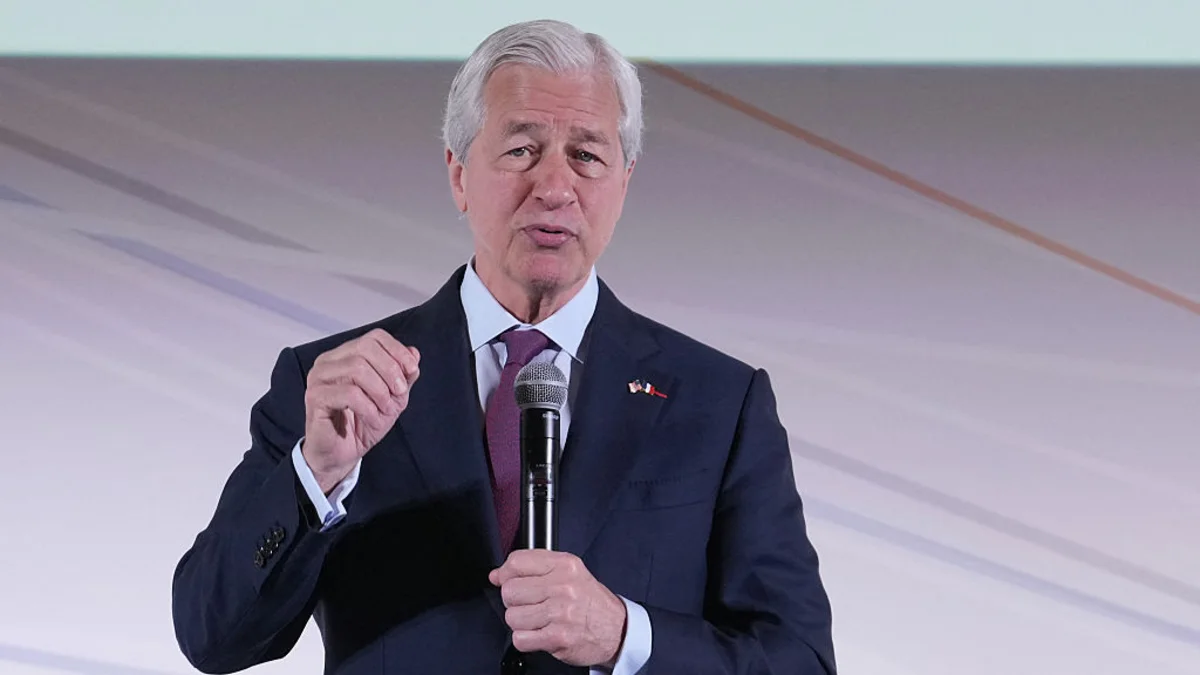
Jamie Dimon predicts the bull market ‘will stop’ — and Canadian investors with RRSPs and TFSAs should take note
Most investors know that bull markets don't last forever. But when the head of the world's most powerful bank says "it will stop" — while global geopolitical tensions keep building — it's worth paying attention, especially if you have money in a Registered Retirement Savings Plan (RRSP) or Tax-Free Savings Account (TFSA).
Jamie Dimon, CEO of JPMorgan Chase (JPM), made waves in June 2026 when he described the current bull run (1) as a force nearly impossible to contain. "We're in a bull market. It's like a little tsunami," he said at a Council on Foreign Relations event on June 15. "When that kind of thing happens, it's very hard to stop. But it will stop."
His warning came at a time when North American stock markets have been climbing to record highs despite a long list of serious concerns — a war in the Middle East, spiking oil prices and rising tensions between Russia and China. And it hits close to home for Canadian investors: The S&P/TSX Composite Index hit a record intraday high (2) of 35,629.89 on June 17, 2026, up more than 31% year-over-year. If Dimon is right, what happens to your RRSP and TFSA when the tension breaks?
Warren Buffett used these 4 solid, repeatable money rules to turn $9,800 into a $150B fortune. Here's how to apply them to your own life
Here are 5 'must-haves' that Canadians constantly overpay for. How many of these are sabotaging your budget every single month?
Are you paying too much for car insurance? Here are 3 clever ways to slash your monthly bill
What caught Dimon off-guard about the economy
Dimon acknowledged that several powerful forces have kept markets climbing. He pointed to roughly US$700 billion (C$972 billion) in AI-related spending from the largest technology companies, a U.S. unemployment rate near 4.3%, and economic growth running around 2% in early 2026.
But Dimon said he's been caught off-guard by how relaxed investors have been, given how unstable the world is right now. He pointed to ongoing tensions with Iran, Russia and China as forces that matter enormously for the free world — even if they aren't hurting the economy today. "I am surprised... that stuff is really important for the free world, but it's not necessarily the economy today," he said.
The U.S.-Iran conflict, in particular, led to the closure of the Strait of Hormuz (3) — a critical shipping route that handles about 20% of the world's oil supply — blocking the movement of oil, fertilizers and other energy products and pushing commodity prices significantly higher. For nearly four months, financial markets mostly ignored it.
Related Stories
 World
World
Watch the B.C. election provincial leaders’ debate live
5 minutes ago
 World
World
Energy agency lowers world oil demand forecast for the year
1 hour ago
 World
World
World set to cross 1.5°C global warming, but can still limit, adapt to and return from higher temperatures
1 hour ago
 World
World
The Vinyl Factory launches Made at VF with World News’ debut album
3 hours ago
 World
World
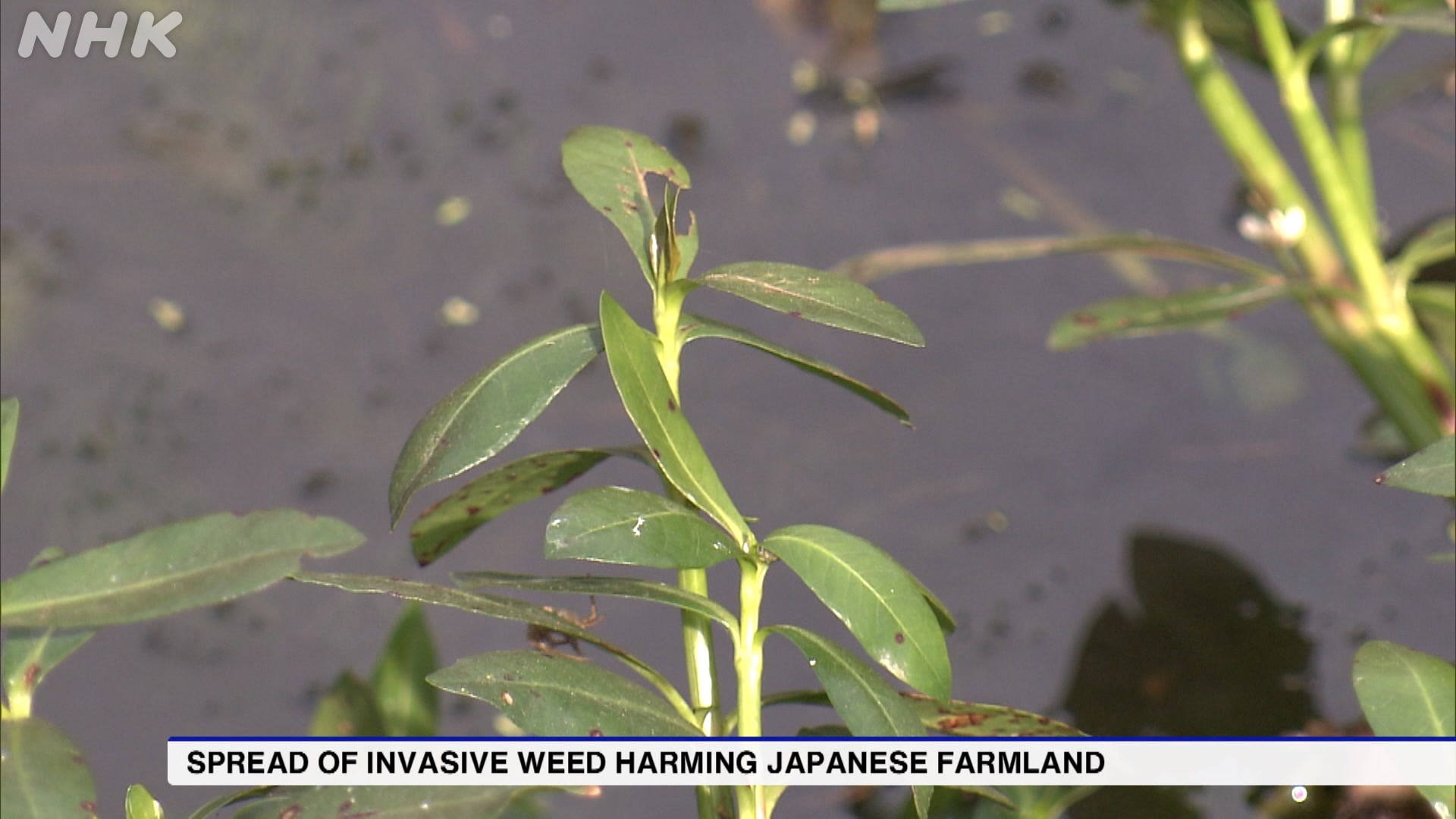
Typhoon rains fuel invasive weed in Japanese farmland | NHK WORLD
4 hours ago
 World
World
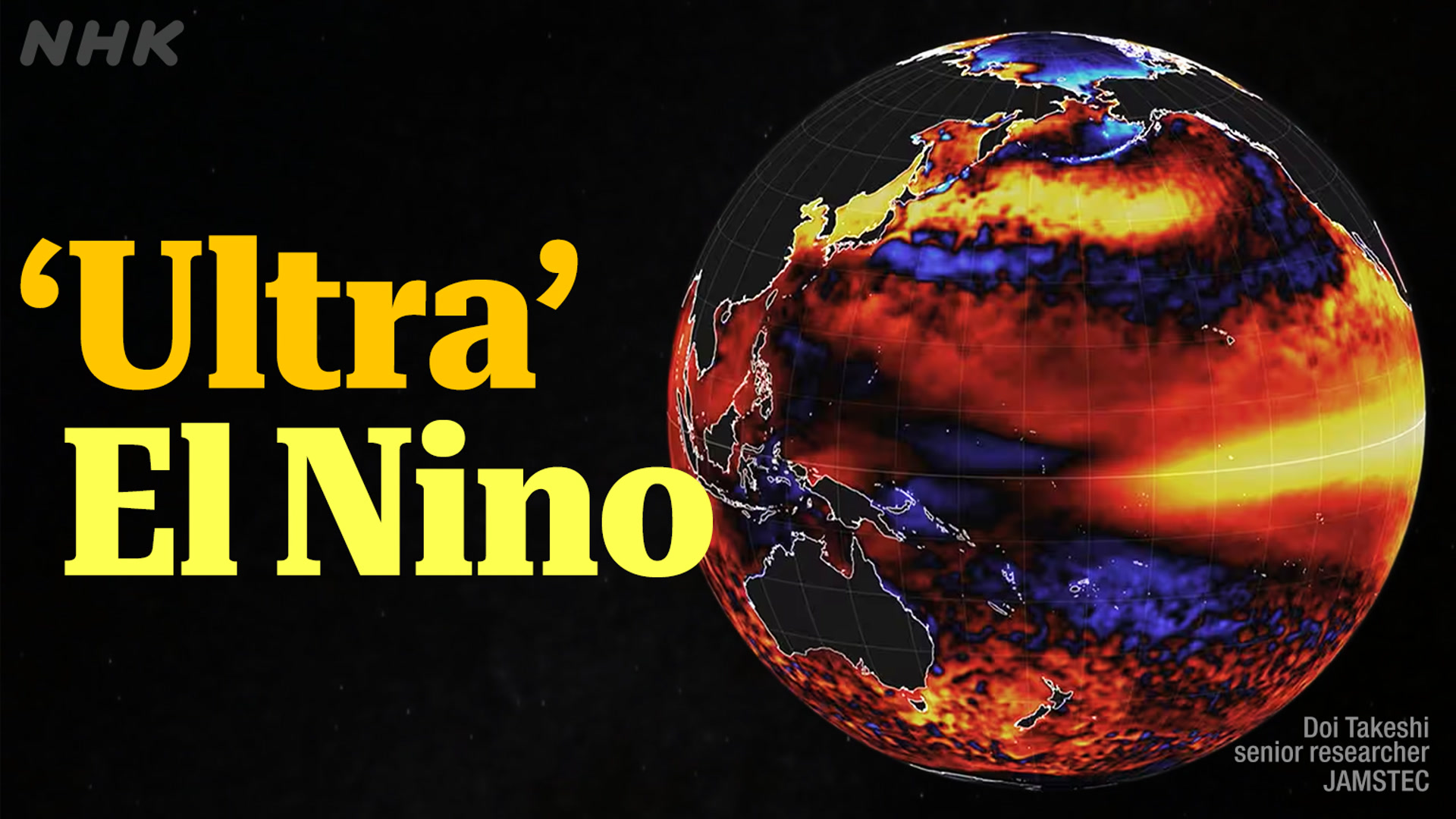
Global implications of extreme weather phenomenon | NHK WORLD
4 hours ago
 World
World
Russia detains Japanese journalist for alleged espionage
4 hours ago
 World
World
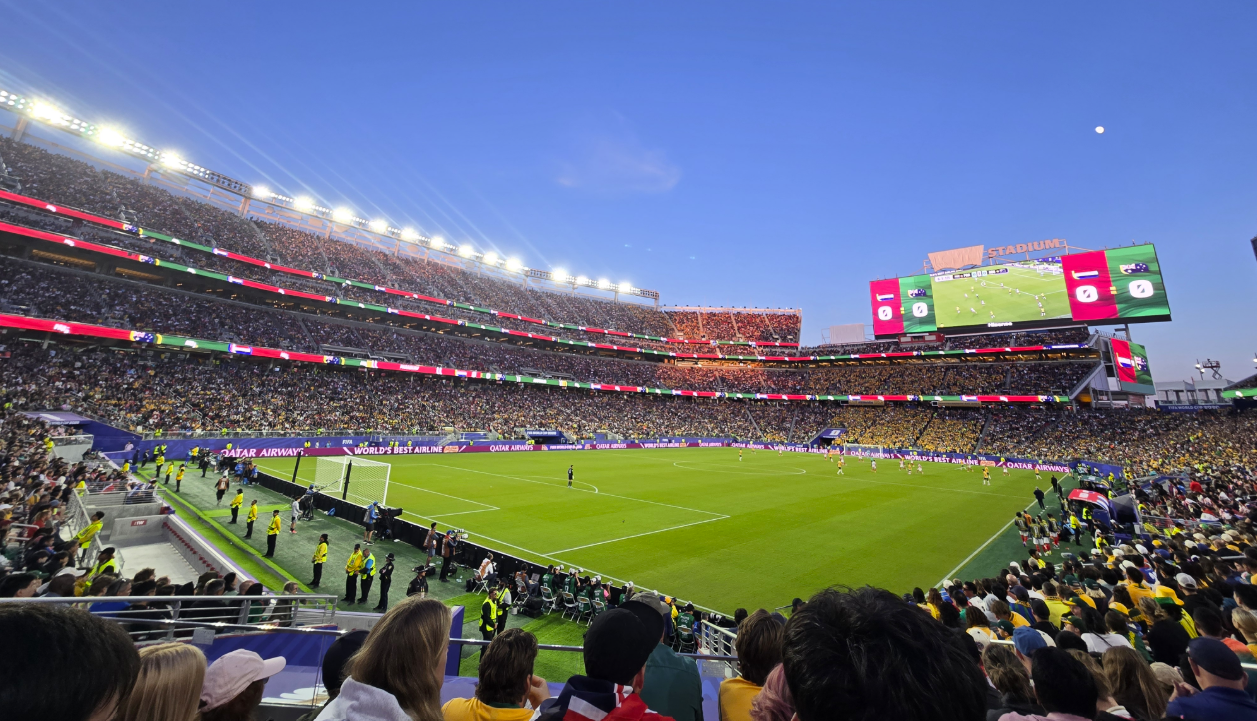
FIFA’s failure to implement human rights commitments at 2026 Men’s World Cup left communities exposed, rights groups say
4 hours ago