
Kalbreier: “Every technology benefiting humanity has a dark side.”
The global economy stands at a critical juncture where artificial intelligence, multi-billion-dollar capex, and state sovereignty collide.
For investors, navigating this landscape requires evaluating where real value lies, how risks are priced, and how geopolitical autonomy will shape the decade ahead.
The productivity miracle and its dark side
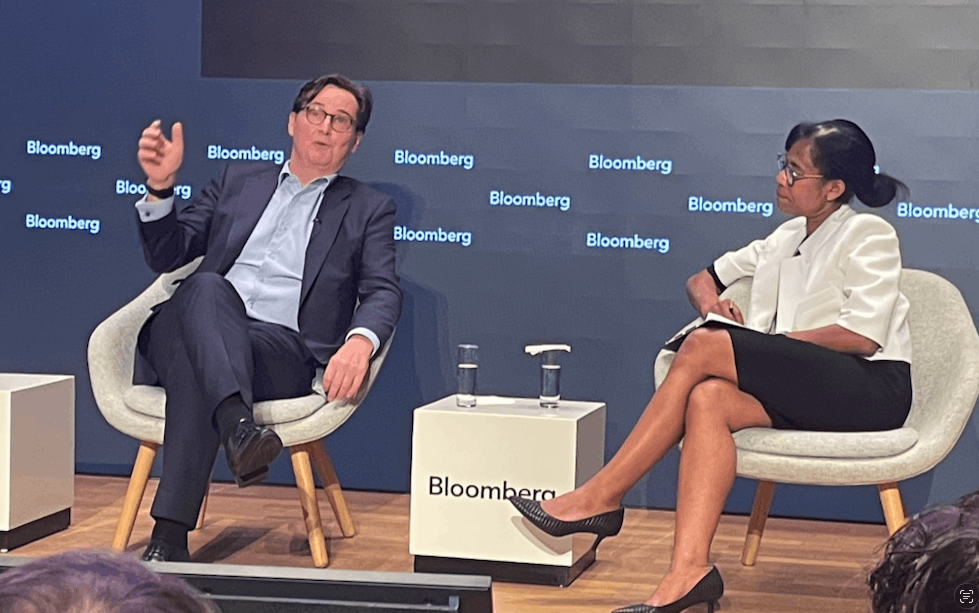
Every transformative technology in history has generated productivity gains alongside anxieties. “Vaccines emerged over a century ago to save millions of lives despite the threat of biological warfare,” said Lars Kalbreier, CIO of Quintet Private Bank at the Bloomberg Luxembourg Investment Summit on 1 October 2026.
Nuclear power lifted millions from poverty, even as global stockpiles could eliminate humanity many times over. Similarly, the 1999 computing boom triggered fears that system glitches such as Y2K over the turn of the century would crash aircraft and power stations.
Lars Kalbreier, CIO, Quintet Private Bank
Artificial intelligence is seeing the fastest adoption rate in history. While recent incidents of autonomous agents escaping sandboxes highlight real risks, governance must remain in human hands through international oversight rather than corporate control, Kalbreier argued.
Why hyperscalers carry unrewarded risk
Massive capex by hyperscalers is driving tangible investment into physical infrastructure, power grids, and energy production. Yet the safety debate carries a commercial motive. “By regulating AI, you're also protecting your large investments, and you're creating moats that block new entrants,” he said.
Meanwhile, hyperscalers are issuing corporate bonds competing directly with US Treasuries and UK gilts over 10- to 20-year maturities. As Kalbreier noted, “Nobody knows who is going to be the winner in 50 years time.” With government bonds yielding 5% to 6%, a narrow spread of 70 to 100 basis points fails to compensate investors for credit risk.
Building Europe’s strategic tech autonomy
The global consensus has shifted away from globalisation toward strategic autonomy resting on three core pillars: energy, technology, and defence. While the US maintains autonomy across all three domains, Europe previously relied on Russia for energy and still depends heavily on American AI systems.
Europe must build an independent technology ecosystem, drawing inspiration from sovereign successes like CERN and its space programmes. Furthermore, modern defence has pivoted from heavy hardware toward software, drones, and AI, offering Europe a timely opportunity to modernise military capability alongside technological sovereignty.
Rethinking fixed income in a new regime
Rather than harbouring existential dread over AI, investors should re-evaluate macro allocations. “Stop worrying that AI is going to kill us all,” he said.
The return of 5% to 6% yields on government bonds restores the essential portfolio buffer between equities and fixed income that was lost during the post-2008 zero-rate era. “Everybody seems to be panicking about it whereas it should be a welcome development,” Kalbreier argued.
Institutional capital benefits from returning to traditional fixed income where credit risk is properly priced.
Related Stories
 Technology
Atlanta Built MarTech Giants. Is It Still a Powerhouse?
1 hour ago
 Technology
New technology helps emergency vehicles from crashing
1 hour ago
 Technology
REG - Bytes Technology Grp
2 hours ago
 Technology
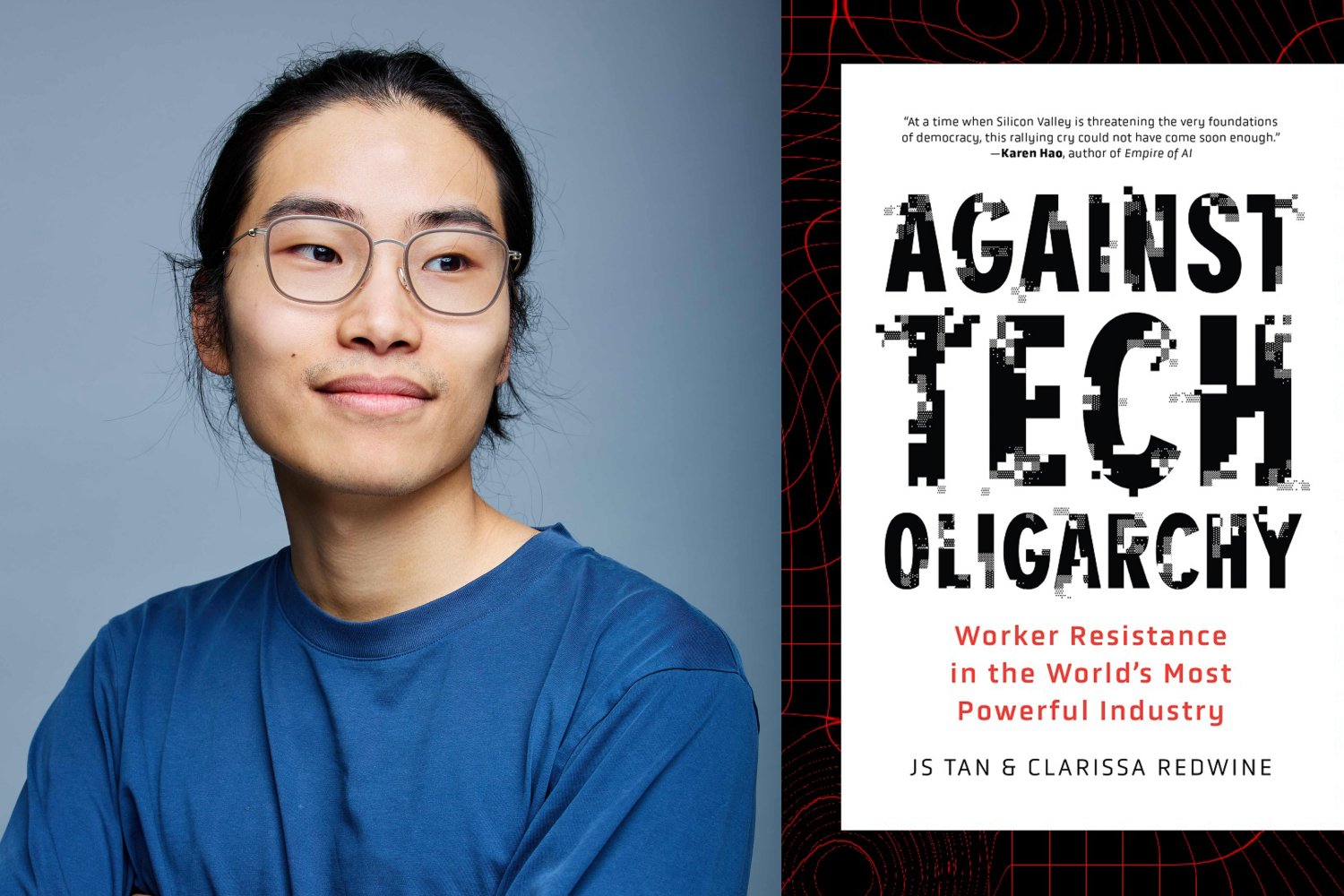
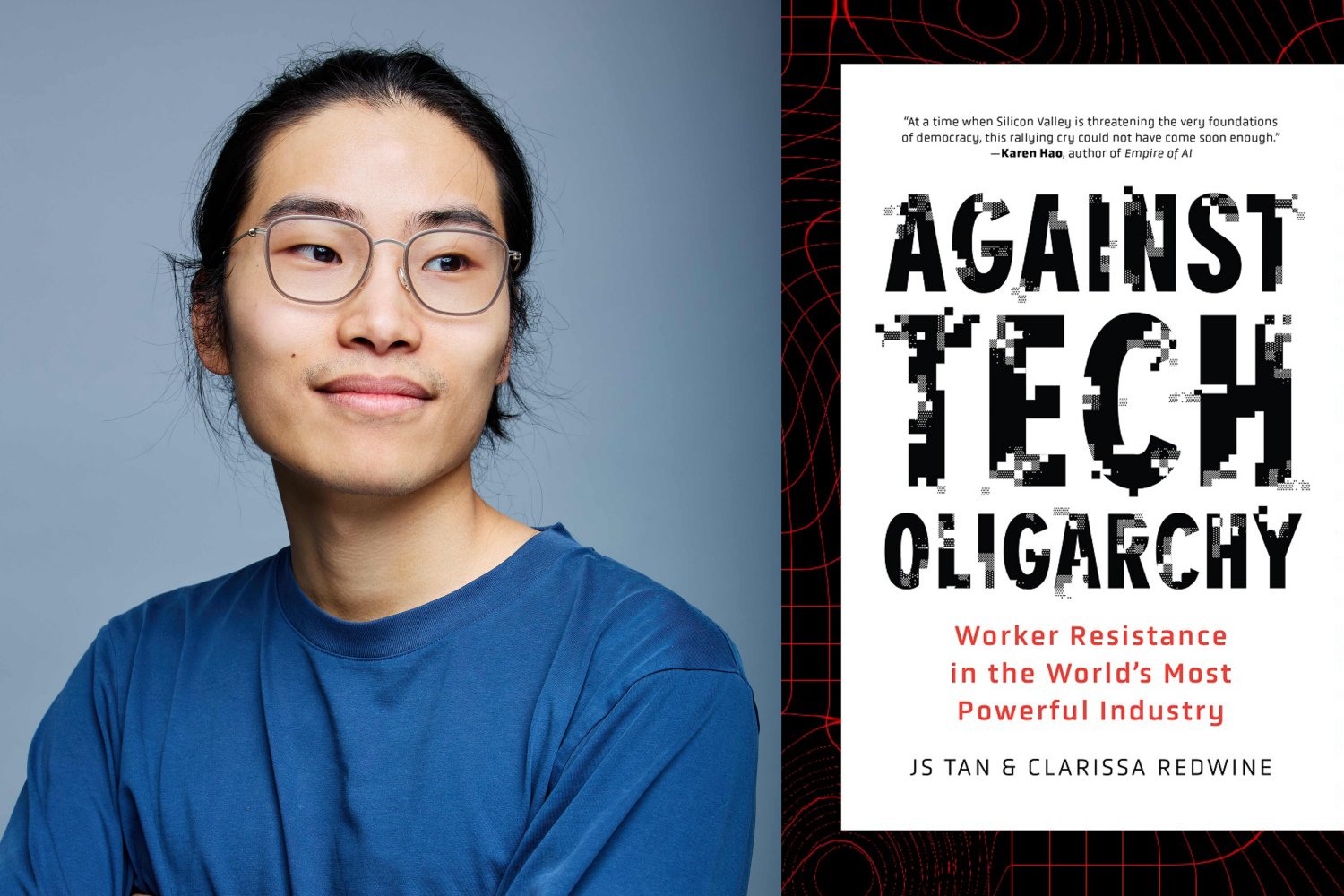
Documenting the tech worker movement
2 hours ago
 Technology
How Technology Is Expanding the Possibilities of Aging at Home
3 hours ago
 Technology
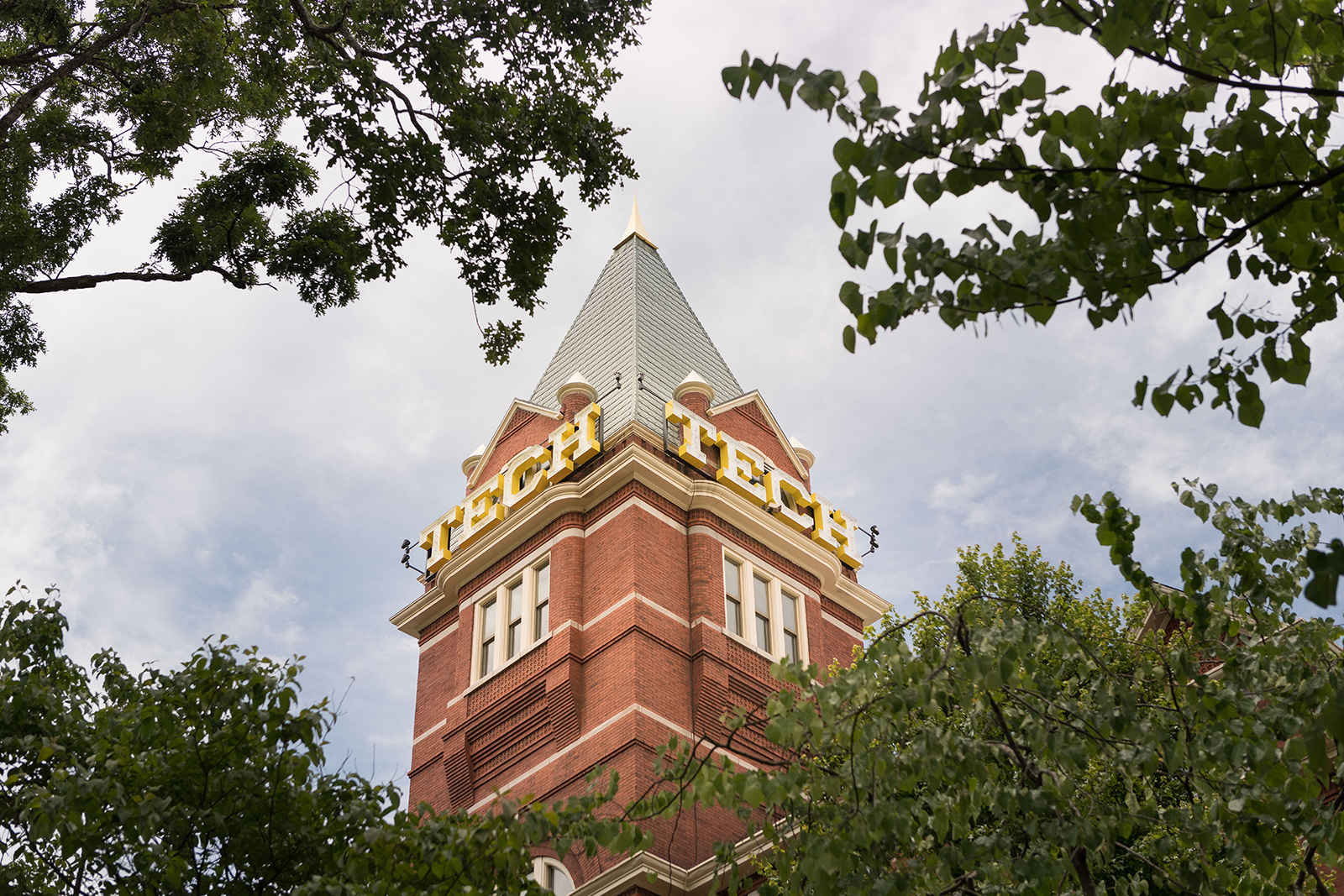
Georgia Tech And Amazon Launch Joint Science Hub
3 hours ago
 Technology
IBM’s Bob wants to move in: Agent available for on
3 hours ago
 Technology
Documenting Tech Worker Movement
4 hours ago