
Keep calm and heed Warren Buffett — history shows market meltdowns are short
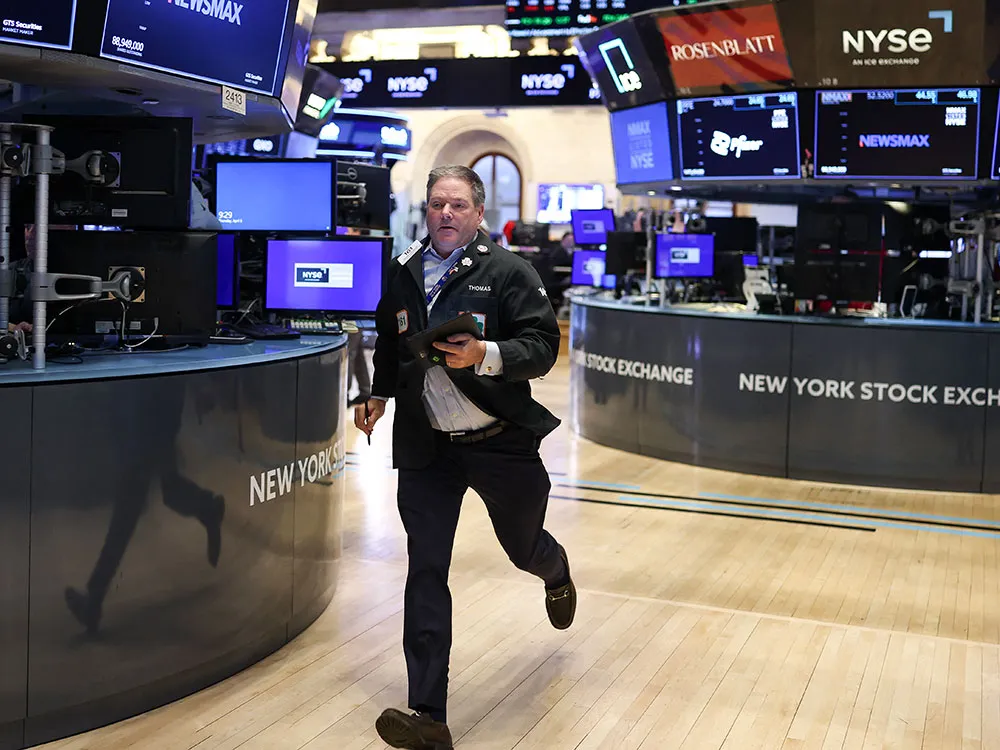
Warren Buffett says, “Be fearful when others are greedy and greedy when others are fearful.” Today, people are fearful.
Investment markets are terrible as I write this. This doesn’t happen often, but it happens, though everyone says this time is different. There has never been a United States president such as Donald Trump before, and he’s doing the things that Trump does.
Of course, they are correct that the reason for this market drop is different than previous market declines. After all, no two declines are exactly the same.
But here’s what is the same. The stock market has a foundation based on the human emotions of greed and fear. This is the reason why great investors such as Buffett say to be greedy when others are fearful. To highlight what this means, let’s look at some other times when the investment markets were terrible.
In March 2020, during the early days of COVID-19, we pulled data related to some historical times when the S&P 500 was down 15 per cent from a peak. We focused on the times it had dropped 15 per cent in 30 days or less; at the time, this had happened eight times in 70 years. In today’s scenario, the S&P 500 is down more than 16 per cent from its peak in February.
This shows what happened to the market in the period after a 15 per cent drop:
Remember that human emotions of fear and greed never change. That is why the numbers above are likely to happen again.
If we don’t look at history, but just today’s unique scenario, there are a few reasons why things will likely look a lot better in the markets in the months ahead.
The five-year U.S. bond yield has dropped to 3.65 per cent from 4.1 per cent in a month. This increases the likelihood that U.S. interest rates will fall, which is generally supportive of the stock market.
Trump’s negotiating style is to start by blowing things up, demanding the moon and then retreating from there. The “Liberation Day” of massive U.S. tariffs on April 2 was the equivalent of him blowing things up.
Trump is not a patient and strategic man. Most who have worked with him in the past describe him as impulsive and transactional. He has shown that he doesn’t care what happens outside the U.S., and he doesn’t seem to care about the so-called pure Democrat states, but he does care about Republican and near-Republican states. He cares about their governors and senators, and he cares about the votes of those residents.
Related Stories
 Stocks & Markets
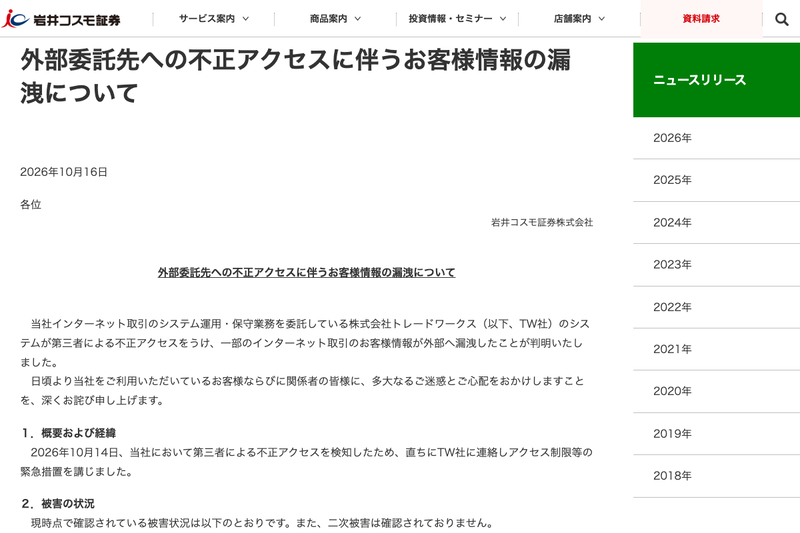
Iwai Cosmo Securities: 4,611 Customer Records Leaked Due to Unauthorized Access at Outsourced Partner
12 hours ago
 Stocks & Markets
Stocks to Watch Today: ICICI Bank, HDFC Bank, Axis Bank, GPT Infra, RailTel, ACME Solar, Yes Bank, Urban...
12 hours ago
 Stocks & Markets
Japanese Stocks Slide Amid Tech Selloff
12 hours ago
 Stocks & Markets
Oxford spin-out OMass Therapeutics lands €275 million to bring novel small-molecule therapies closer to patients
2 days ago
 Stocks & Markets
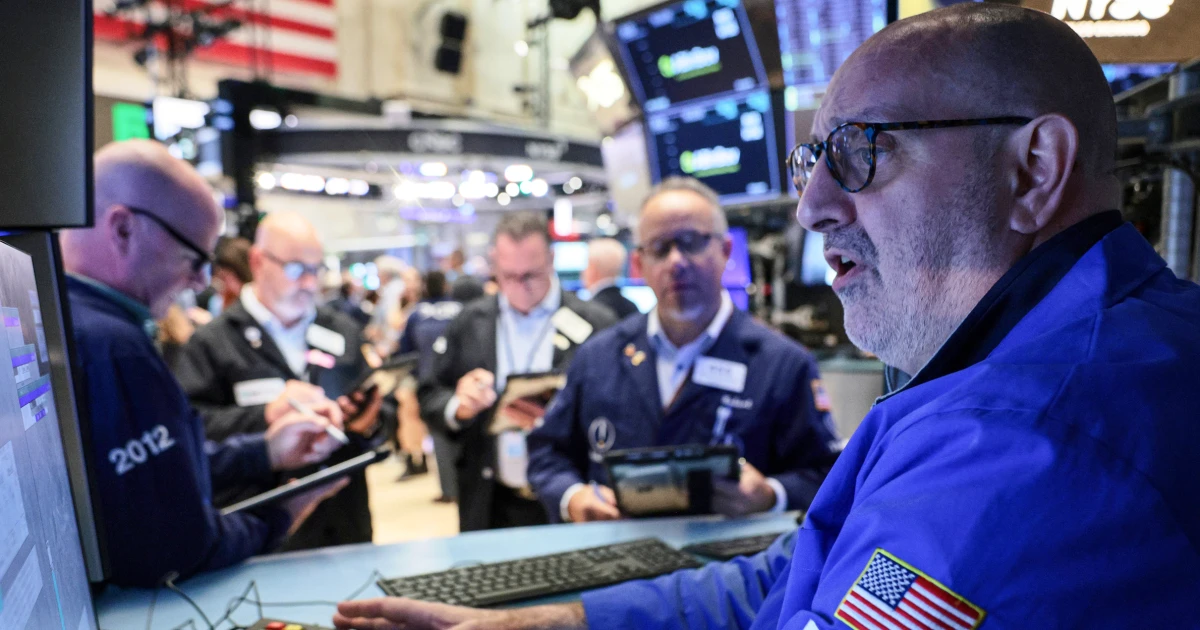
Tech stocks erase $1 trillion of wealth as oil surges to $110 for the first time since May
2 days ago
 Stocks & Markets
Tech stocks tumble as AI debt fears rattle Wall Street
2 days ago
 Stocks & Markets
Stocks rebound after tech sell
3 days ago
 Stocks & Markets
Sensex Edges Higher on Tech Gains
3 days ago