
Kingston wildfire ‘changed the conversation’ about wildfire impacts in N.L.

Kingston wildfire ‘changed the conversation’ about wildfire impacts in N.L.
Wildfire Resilience Consortium of Canada says wildfire activity is becoming a concern
Last year, Newfoundland and Labrador experienced a historic wildfire season, and one wildfire management expert says increased fire activity is more likely to become the norm in coming years.
Wildfire Resilience Consortium of Canada regional co-ordinator Hilary Winstanley said wildfire activity in the province is becoming an increasing concern and believes the impacts of the Kingston fire changed the conversation around wildfire prevention.
“We are getting increased risks in Newfoundland communities that we are seeing elsewhere in Canada and it does feel like it is certainly more emerging in Newfoundland in the last few years," Winstanley told CBC Radio’s The St. John’s Morning Show.
The Kingston fire started Aug. 3, 2025 and forced more than 3,000 residents in the Conception Bay North region to evacuate, destroyed some 200 structures and burned 10,708 hectares at its height. Though some residents have been able to return home, much of the community is still recovering.
It was one of a number of devastating fires that burned across the province in 2025.
Historically, Winstanley said N.L. has seen fewer of the large, high profile fires that usually occur in western Canada, but that is changing.
“You are getting significantly more fires, and you are seeing some of those significant impacts to communities, structure and infrastructure,” she added.
According to her, this is a common trend across the country right now, where fires have grown more severe, and due to hotter conditions, are burning larger and are harder to extinguish, which makes the wildfire season last longer.
“It’s not as much viewed as a rare threat as it may have once been,” said Winstanley.
When looking at the 2026 fire season so far, N.L. has recorded 123 wildfires, with two currently burning in Labrador.
Earlier this summer, wildfires prompted evacuations in some Labrador areas, as over 100 residents and cabin owners from the Walsh River area, Duley Lake, Throne Lake and Tamarack Golf Course had to leave for 10 days.
Despite the high number of fires already reported and that the fire season is still ongoing, the government's dashboard shows the number of wildfires are down by 32 per cent compared to the same time last year. However, this year's wildfires have collectively burned approximately 16 times more hectares than 2025.
Why fire risk is already high this summer — despite a snowy winter and cool June for parts of N.L.
'We're just moving forward’: rebuilding efforts carry on almost a year after Kingston fire
While Winstanley said N.L. has strengths in awareness around fire prevention and firefighting skills, it still has hard to access terrain, limited resources and the impact of climate change to contend with.
Because of these factors, in terms of fire management, Winstanley said there is a bigger role for residents to play.
“There is still large scale response and operation capacity to support those fires but there is need for more local reliance as well,” said Winstanley.
Download our free CBC News app to sign up for push alerts for CBC Newfoundland and Labrador. Sign up for our daily headlines newsletter here. Click here to visit our landing page.
Cameron Kilfoy (he/him) is a journalist working with CBC News based in St. John's. He can be reached at cameron.kilfoy@cbc.ca.
With files from The St. John's Morning Show
Related Stories
 Canada
Conservatives call on prime minister to reconvene Parliament over failure to secure Canada
29 minutes ago
 Canada
Poilievre wants prime minister to reconvene Parliament to discuss rejected trade deal
29 minutes ago
 Canada
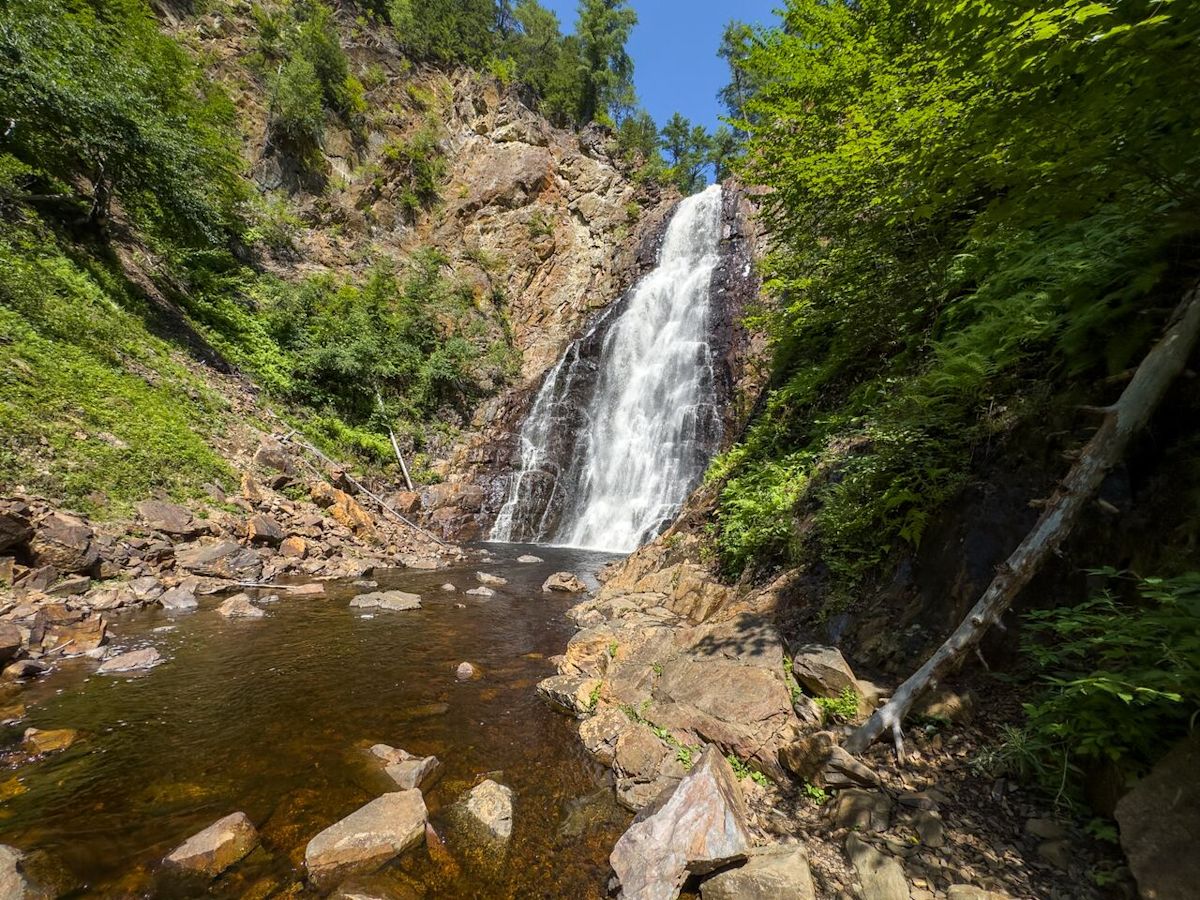
Waterfalls of New Brunswick: Fall Brook Falls
29 minutes ago
 Canada
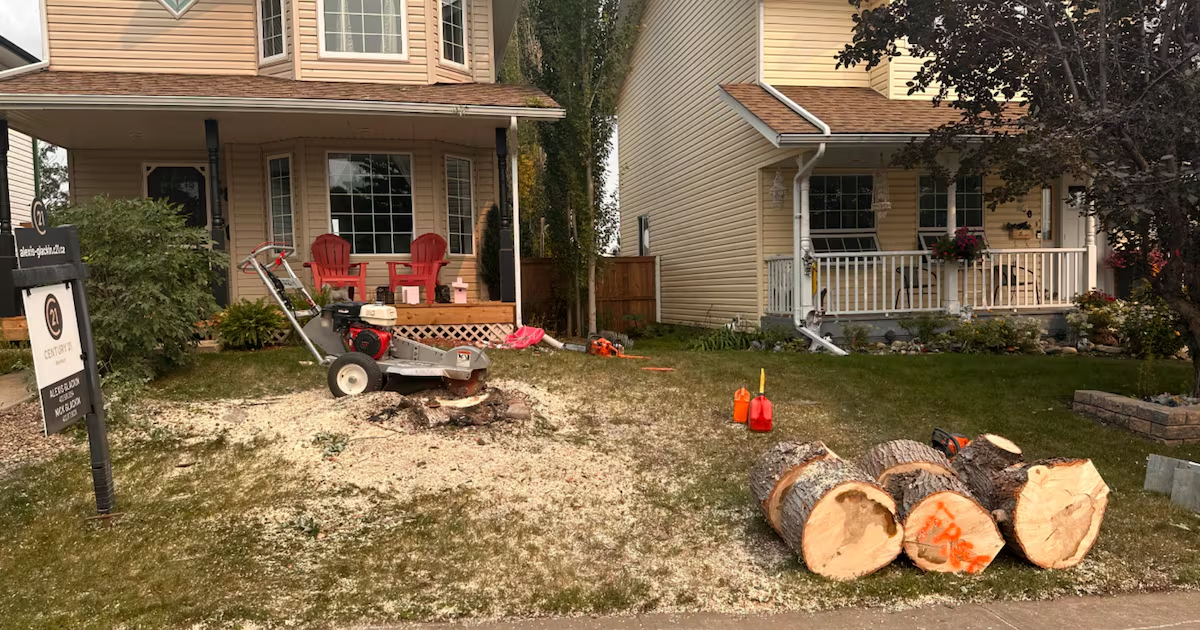
‘I started yelling through the camera’: Overpayment scam leads to tree
29 minutes ago
 Canada
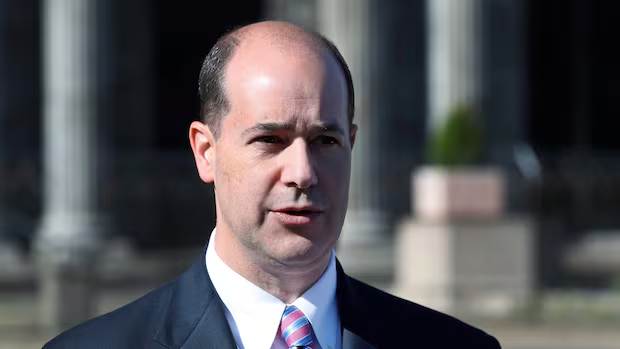
The Ambassador Bridge's monopoly was ending. What its owner wanted from Ottawa is largely a secret
29 minutes ago
 Canada
Ottawa school breakfast program feeding 1,300 more students this September
1 hour ago
 Canada
Partial lunar eclipse to grace Canadian skies this week
1 hour ago
 Canada
Conservatives ask Carney to release U.S. trade offer details
2 hours ago