
Longer Lives, Uncertain Costs: Americans Split on How Artificial Intelligence and Medical Advancements Will Affect Retirement, TIAA Survey Finds

77% See Rising Healthcare Costs as a Direct Threat to Retirement, and Four in Ten Americans Doubt Their Plan Can Keep Up with Longer Lives
NEW YORK, Oct. 1, 2026 /PRNewswire/ -- As the nation marks National Retirement Security Month, new research from TIAA, Retirement in the Age of AI and GLP-1s, reveals Americans are divided on how artificial intelligence (AI) and medical breakthroughs will affect their financial security in retirement.
The survey of 1,000 U.S. adults paints a nuanced picture of optimism and anxiety, revealing how Americans are weighing the promise of longer lives against the very real cost of funding them.
"We are living through one of the most exciting periods in human history as AI and medical breakthroughs help give people longer, healthier lives than ever before. At TIAA, we want to make sure every American has the financial foundation to enjoy those extra years," said Thasunda Brown Duckett, President and Chief Executive Officer of TIAA. "Through education, advocacy, and expanded access to lifetime income solutions, we can help ensure the gift of a longer life is a source of joy, not financial concern."
Uncertainty About Healthcare Costs
Asked how integrating AI into the healthcare system will most likely affect retirees' financial futures, respondents are nearly evenly split across four scenarios.
Twenty-seven percent believe AI will increase healthcare costs by creating expensive new breakthrough treatments. Twenty-two percent believe AI will lower costs by making care more efficient, preventative, and accessible. Twenty percent expect AI to have no significant financial impact on healthcare costs in retirement. And 32% simply do not know what AI will do.
The findings are more striking given that 77% of respondents already identify the rising cost of healthcare as a direct threat to their retirement plans.
The Financial Fears of a Longer Life
The survey found four in ten Americans (43%) are not confident that traditional retirement planning methods adequately account for longer lifespans, as retirements increasingly extend into a person's 80s, 90s, and beyond.
When asked about the financial challenges associated with potentially living longer due to advancements in healthcare such as GLP-1 medications, Americans raise a number of concerns.
The top concerns are running out of money to cover basic day-to-day living expenses (46%), not having enough disposable income to actually enjoy the extra years (42%), and affording the high cost of long-term medical, memory, or nursing care (41%). Thirty percent worry specifically about becoming a financial burden on their children or family members.
More than half (53%) of Americans say a primary retirement concern is withdrawing too much and running out of money before they die.
AI in the Workplace: A Longevity Risk of a Different Kind
The survey also surfaced a related anxiety about AI's near-term impact on retirement readiness. Forty percent of Americans view the rise of AI in the workplace as a threat to their retirement plans. This concern reflects a logical chain: if AI disrupts careers and reduces earning potential before workers reach a comfortable savings level, the accumulation phase of retirement planning is shortened, leaving less time to build the nest egg needed to fund a longer retirement.
Ninety percent of survey respondents agree that it is important for all Americans to have access to retirement savings accounts, as well as the resources and education needed to properly manage their funds. Workers also overwhelmingly believe employers have a responsibility to offer a retirement plan that provides options for converting savings into guaranteed retirement income that never runs out. When workers have access to guaranteed lifetime income products within their retirement plans, the core longevity risk of outliving their savings is addressed. No matter how long a person lives, a guaranteed income stream continues to arrive.
The 2026 TIAA Retirement in the Age of AI and GLP-1s Survey was commissioned by TIAA and conducted online by KRC Research among 1,000 U.S. adults (ages 18-65). The data collection for this study took place from July 27th to July 31st, 2026.
Our mission is to help ensure a more secure financial future for all. As a leading retirement, wealth and asset manager, the company has delivered investment options and guidance to help people pursue prosperity that lasts across market cycles and generations. TIAA has nearly $1.6 trillion in assets under management (as of 06/30/2026) [i] and has paid more than $6.17 billion in lifetime income to retired clients in 2025. [ii]
For more information, visit www.tiaa.org/about.
This material is for informational or educational purposes only and is not fiduciary investment advice, or a securities, investment strategy, or insurance product recommendation. This material does not consider an individual's own objectives or circumstances, which should be the basis of any investment decision.
Any guarantees are backed by the claims-paying ability of the issuing company.
Past performance is not a guarantee of future results.
TIAA Institute is a division of Teachers Insurance and Annuity Association of American (TIAA), New York, NY
© 2026 and prior years. Teachers Insurance and Annuity Association of America & College Retirement Equities Fund.
i As of June 30, 2026, assets under management across Nuveen Investments affiliates and TIAA investment management teams are $1,599 billion. ii As of December 31, 2025, TIAA paid out $6.17B in total annuity income. This figure represents all annuity income, including guaranteed and additional amounts, for all of TIAA's annuity products.
Related Stories
 AI News
DeepSeek and Huawei release open-source Ascend AI programming tools to reduce reliance on Nvidia CUDA ecosystem
48 minutes ago
 AI News
Do AI and air traffic control mix? CEO addresses anxiety about new FAA tool
48 minutes ago
 AI News
Cybersecurity Awareness Month highlights identity theft risks in AI chatbot histories
48 minutes ago
 AI News
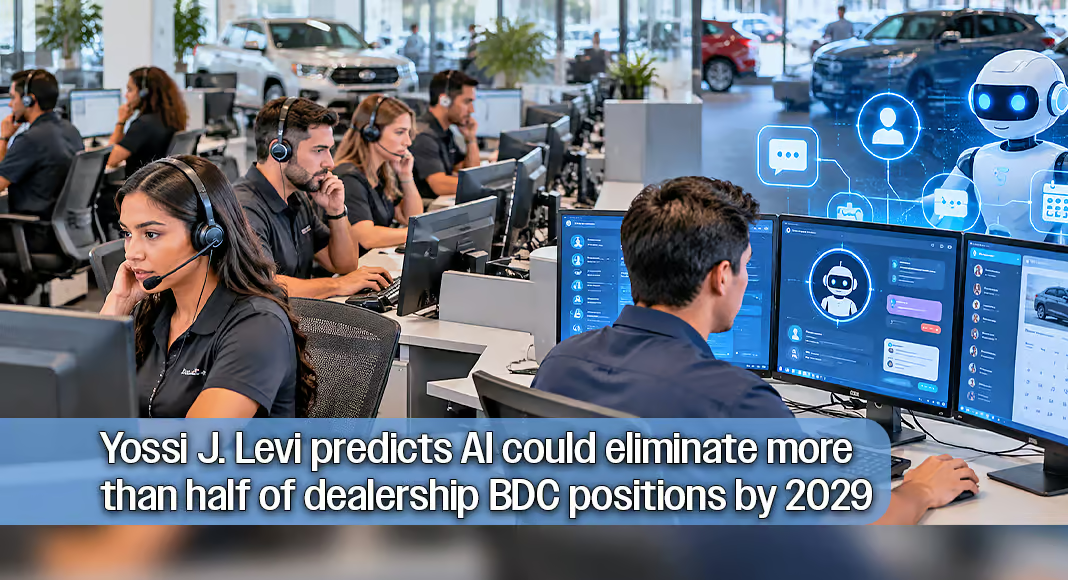
Artificial Intelligence Could Reshape Dealership Business Development Centers
48 minutes ago
 AI News
Ukrainian fintech Aiffin entered Moove Lab at Station F: how AI leasing works
1 hour ago
 AI News
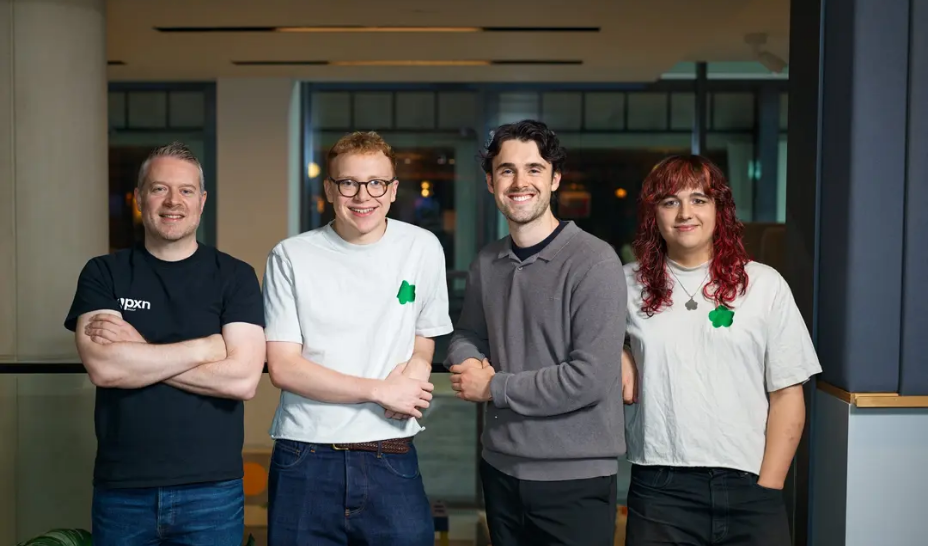
AI sales startup Revnu raises €2.6 million to build team and accelerate international growth
1 hour ago
 AI News
NEXXT AI Hackathon 2026: More than 50 teams build artificial intelligence solutions in Bucharest
1 hour ago
 AI News
Barclays Accelerates AI Rollout With Anthropic’s Claude Code
1 hour ago