
Lost in translation: Australia’s Mandarin intelligence gap
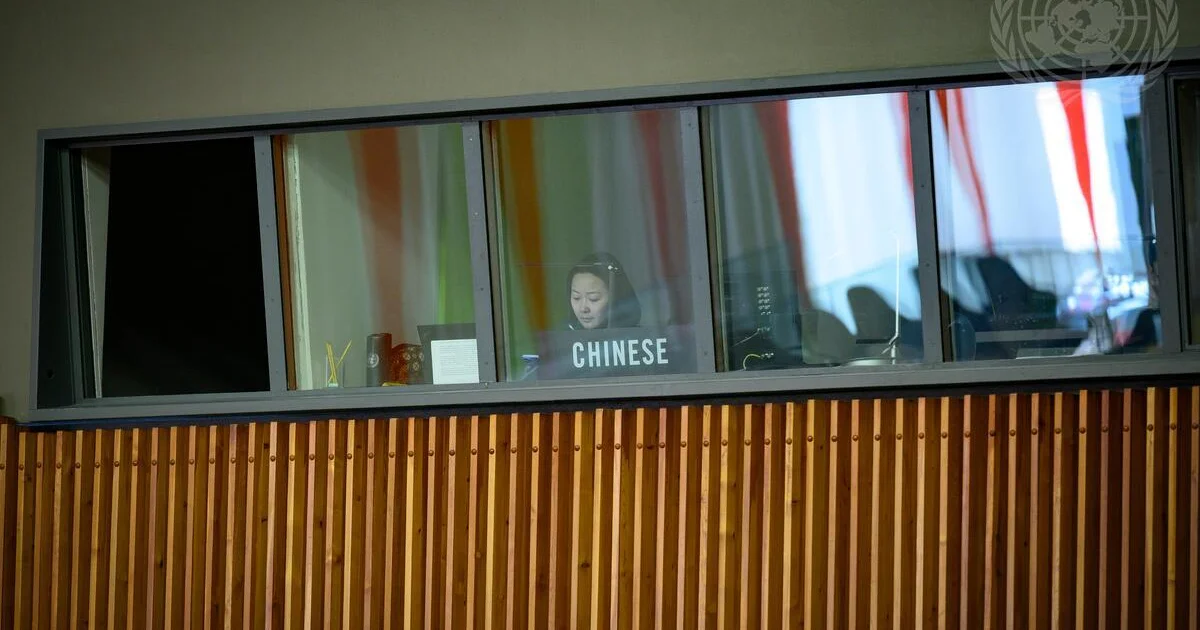
This talent shortage is intersecting with a data problem. The volume of China's strategic communication now exceeds what human analysts can triage. State-run Xinhua averages some 15,000 articles per day (Opens in new window) across 11 languages. China’s Foreign Ministry, uniquely among the world’s foreign affairs departments, briefs the press every working day (Opens in new window) – 230 times in 2024. And that’s before shipping manifests, social media trends, and regional publications enter the picture.
To manage this iceberg of open-source intelligence (OSINT), Australia’s China-watching community is turning to AI. Canberra has already put billions behind the turn. In 2024, the ASD signed a partnership with Amazon Web Services (AWS), worth at least $2 billion over ten years, to establish a top secret sovereign cloud for the National Intelligence Community (NIC). In the government’s own words (Opens in new window), the TS cloud is “purpose-built” to host the NIC’s most sensitive data and “harness leading technologies including artificial intelligence and machine learning.”
Outsourcing triage at this scale means outsourcing judgement over what gets surfaced and what stays buried in the ice.
One diplomatic platitude AI triage misses is the Mandarin rendering of “both sides should meet each other halfway”. Read literally, this phrase implies that two parties should work together and share responsibility for resetting diplomatic relations. In practice, the phrase – which was deployed (Opens in new window)repeatedly (Opens in new window) during the 2020–22 Australia-China diplomatic freeze – shifts fault onto the non-China party and masks Beijing’s uncompromising demand for corrective action.
In a study comparing the Chinese original and English translations of 91 foreign policy statements, Sabine Mokry notes (Opens in new window) that “in 70% of substantive differences, the Chinese version of the document signals more illegitimate ambitions than the English version”.
For ASD, AI deployment means (Opens in new window) “the triage of large volumes of data to identify high value intelligence.” It’s a surfacing operation, not a comparison of different versions of the same document to catch where they differ. Whether AI can do this work is one question. The binding constraint is that the linguistic talent capable of reading both versions was never in the room.
Multiplied across Australia’s China-watching community, that empty room creates a shared blind spot – cognitive monoculture. Non-Mandarin-speaking analysts all use the same tools and see the same summary of Beijing’s preferred reading, unable to verify flattened summaries against original artefacts. AI is necessary for triage at this scale, but it also compounds the cost of Australia’s scarcity of Mandarin expertise, rather than serving as a substitute.
Related Stories
 AI News
Bill Gross bets AI can help mass
4 days ago
 AI News
Nigeria records 93% rise in AI micro
4 days ago
 AI News
The Italian gelato maker using AI to invent new flavours
4 days ago
 AI News
Closing the Gap Between Agentic CX Pilots and Production
4 days ago
 AI News
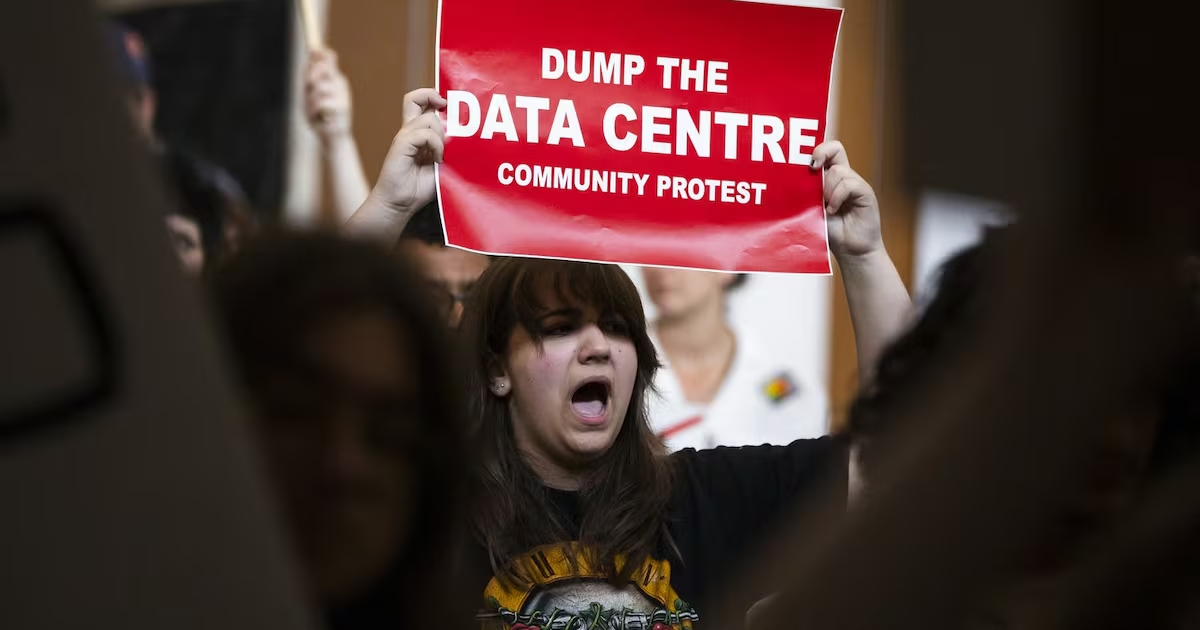
New Brunswick data centre debate highlights cross
4 days ago
 AI News
How to Structure an AI Agent Referral Fee Agreement Between Startups
4 days ago
 AI News
No, AI didn’t delete a Swedish reality TV series
4 days ago
 AI News
There is no AI in Armageddon. Artificial intelligence is a tool, not an apocalypse
4 days ago