
Mindful Tech Use May Cut Workplace Burnout: Study

Employees who engage with digital technology more mindfully are better protected against technostress, exhaustion and poorer mental well-being — and a new tool can now measure this capacity, according to new research.
Researchers from the University of Nottingham's Schools of Psychology and Medicine have developed and validated the Digital Mindfulness Scale (DMS) — the first measure designed to capture how mindfully people engage with technology at work, and how this protects their well-being. The results have been published in Computers in Human Behavior.
The 15-item scale captures three dimensions of digital mindfulness: intention (having a clear purpose for using technology), attention (staying focused and resisting digital distractions), and attitude (responding to oneself with kindness and patience when things go wrong). It is grounded in long-established mindfulness principles, adapted for the realities of digitally mediated work.
The team first refined the scale with a panel of mindfulness and digital technology experts, then tested it in a two-part survey of around 400 UK employees, one month apart. Workers who scored higher in digital mindfulness went on to report lower technostress and exhaustion and better mental well-being a month later — over and above their general disposition to mindfulness and other related factors.
This new study builds on previous work which revealed that employees who are more mindful in the digital workplace are better protected against stress, anxiety and overload.
Elizabeth adds: "Crucially, digital mindfulness is something that can be developed. Simple habits — setting an intention before picking up a device, protecting your attention from notifications, and meeting digital frustrations with self-compassion rather than self-criticism — can all help. The new scale gives researchers and organisations a reliable way to measure this capacity and to test whether such approaches actually work."
The researchers suggest digital mindfulness is best cultivated through a combination of individual skills — such as intention-setting, attention management and self-care — and organisational measures, such as norms around availability and notifications and 'right to disconnect' approaches. The scale could be used to evaluate workplace well-being initiatives and to inform the design of digital tools that support, rather than erode, healthy technology use.
The research was funded by ESRC-MGS (Economic and Social Research Council - Midland Graduate School).
Related Stories
 Technology
Branding for Startups in Ahmedabad: Social Sherpa Builds Brands Ready to Scale
54 minutes ago
 Technology
ZAWYA: Central Bank of Bahrain to triple technology investments
55 minutes ago
 Technology
Hinduja Tech Appoints Faiz Ahmad As CEO, Effective 1 November
55 minutes ago
 Technology
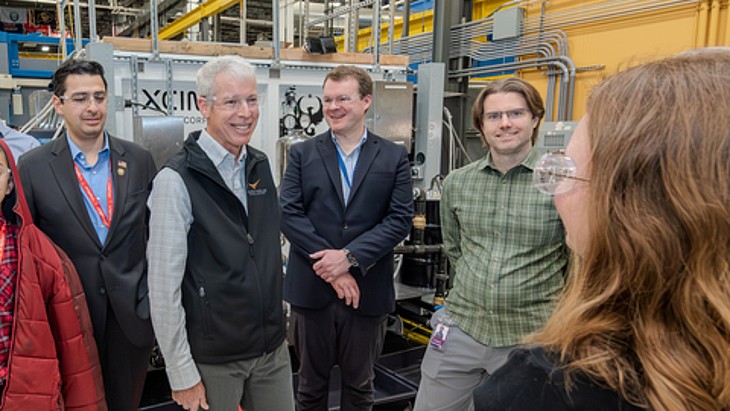
Fusion firm Xcimer announces fresh DOE milestones award
1 hour ago
 Technology
Sub-Rs 20,000 smartphone market may be heading to a 'collapse' and reason is the 'most
1 hour ago
 Technology
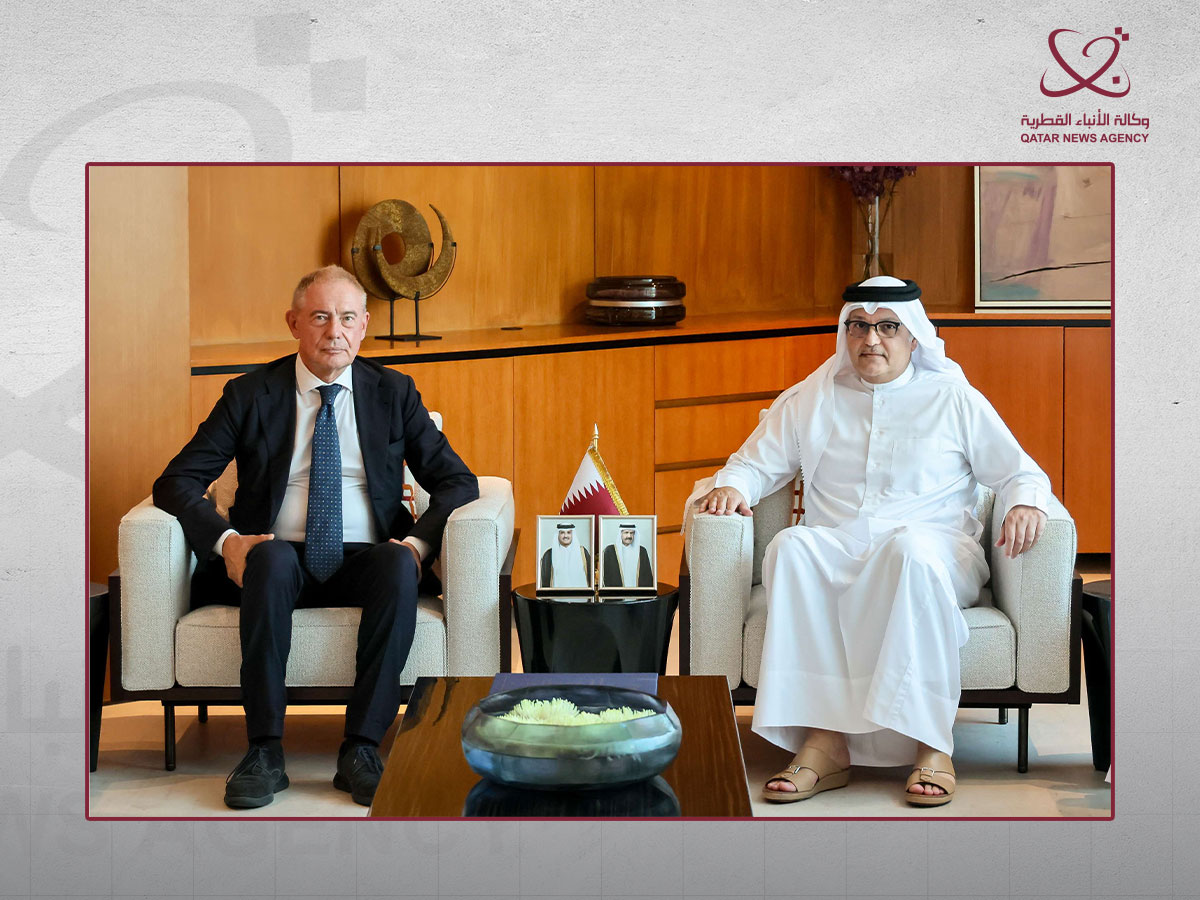
Qatar, Italy Eye Expanded Digital, Technology Cooperation - Fana News -
1 hour ago
 Technology
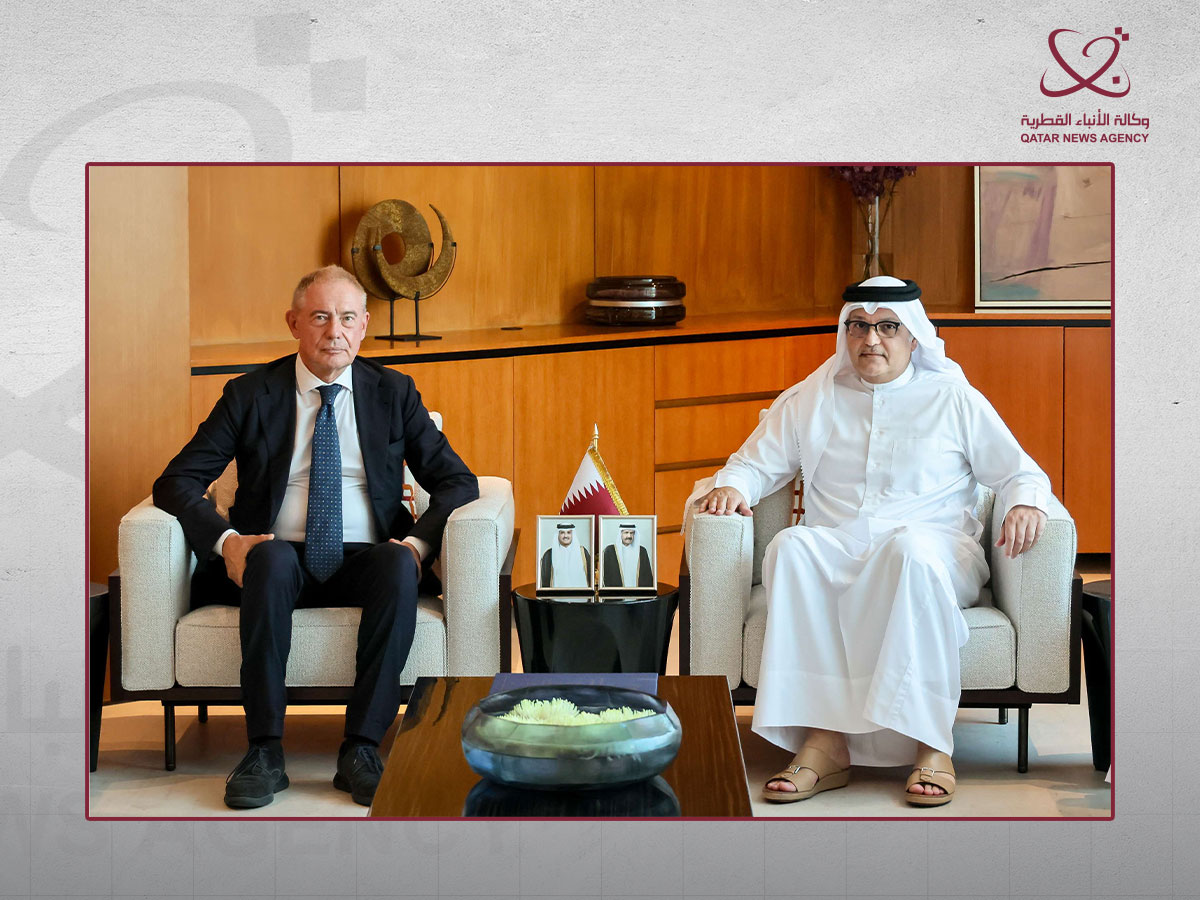
Qatar, Italy Eye Expanded Digital, Technology Cooperation
2 hours ago
 Technology
Tata Power, Ocean Sun Tie Up for Floating Solar Tech
3 hours ago