
New technology removes microplastics from water
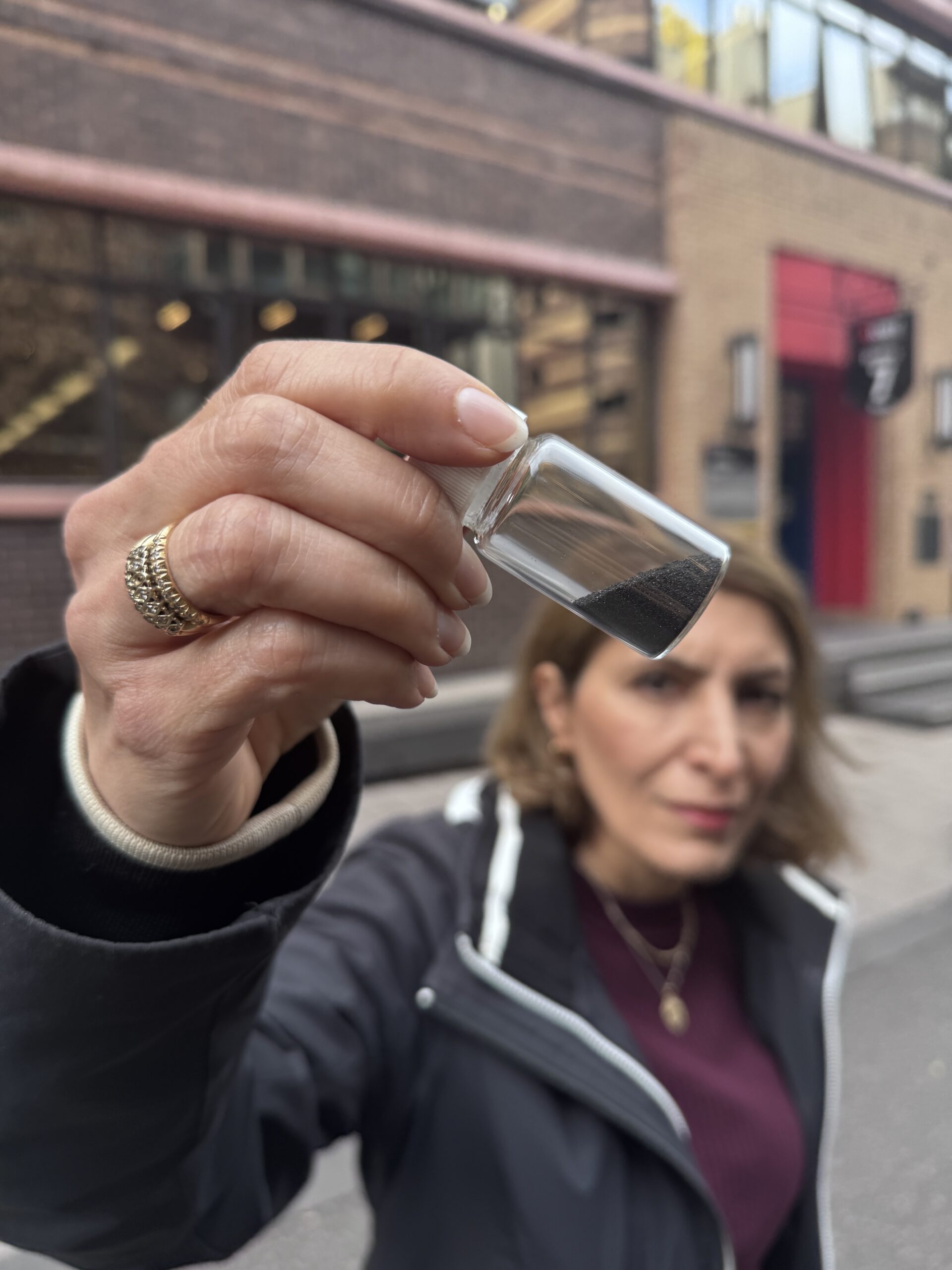
Researchers at RMIT University have developed a new water treatment material capable of removing more than 95 per cent of microplastics and nanoplastics from water, marking a significant step towards tackling one of the world’s fastest-growing environmental challenges.
The breakthrough builds on the team’s 2022 research and is designed to capture even the tiniest plastic particles, some as small as 30 nanometres, while also removing contaminants including heavy metals, dyes and traces of pharmaceuticals.
Laboratory testing found the material removed more than 95 per cent of microplastics within an hour, with around 80 per cent captured in just 15 minutes – a timeframe compatible with existing water treatment plants.
Lead researcher Professor Nicky Eshtiaghi said finding an effective way to remove nanoplastics had become increasingly important.
“There is currently no effective solution for removing nanoplastics at scale,” Professor Eshtiaghi said.
The material was tested on industrial laundry wastewater, one of the largest sources of synthetic microfibres, where it removed more than 88 per cent of polyester fibres while continuing to perform well in complex wastewater conditions.
Researchers also found the technology could remove more than 95 per cent of contaminants including mercury, chromium, copper, dyes and the common pain reliever ibuprofen. Early testing also showed promise in removing some larger PFAS compounds, although further research is needed.
A key advantage of the technology is that the treatment material can be recovered using magnetic separation technology and reused multiple times, making it more practical and affordable for large-scale use.
Since the team’s original breakthrough in 2022, manufacturing has also become far more efficient, increasing production fivefold while reducing estimated costs by around 75 per cent.
The researchers are now working with Australian and international industry partners to explore applications in municipal water treatment, stormwater systems, textile manufacturing and industrial wastewater.
With governments around the world introducing stricter regulations on microplastics entering waterways, the team hopes the new technology could help protect rivers, oceans and drinking water supplies in the years ahead.
Related Stories
 Technology
Tech business prospects explored at Copenhagen TechBBQ
3 hours ago
 Technology
From 'Climate Lawyer' to Nominee for Minister of SMEs and Startups… The Startup Industry’s Expectations for Lee So
3 hours ago
 Technology
Hamal demands advanced rescue technology for Rasuwa flood victims
5 hours ago
 Technology
iZoneMedia360.com: Where AI, Startups and Emerging Tech Come Together
7 hours ago
 Technology
The MacBooks I recommend for students, creators and everyday users | Technology News (HT Tech)
8 hours ago
 Technology
Portugal to have a new technology centre
10 hours ago
 Technology
In a rare moment of unity, Americans are fighting Big Tech together
10 hours ago
 Technology
Leatherwood throws 4 TDs in Tennessee Tech win over Monmouth
12 hours ago