
Nigeria digital economy UNGA side event draws calls for 'clean' business
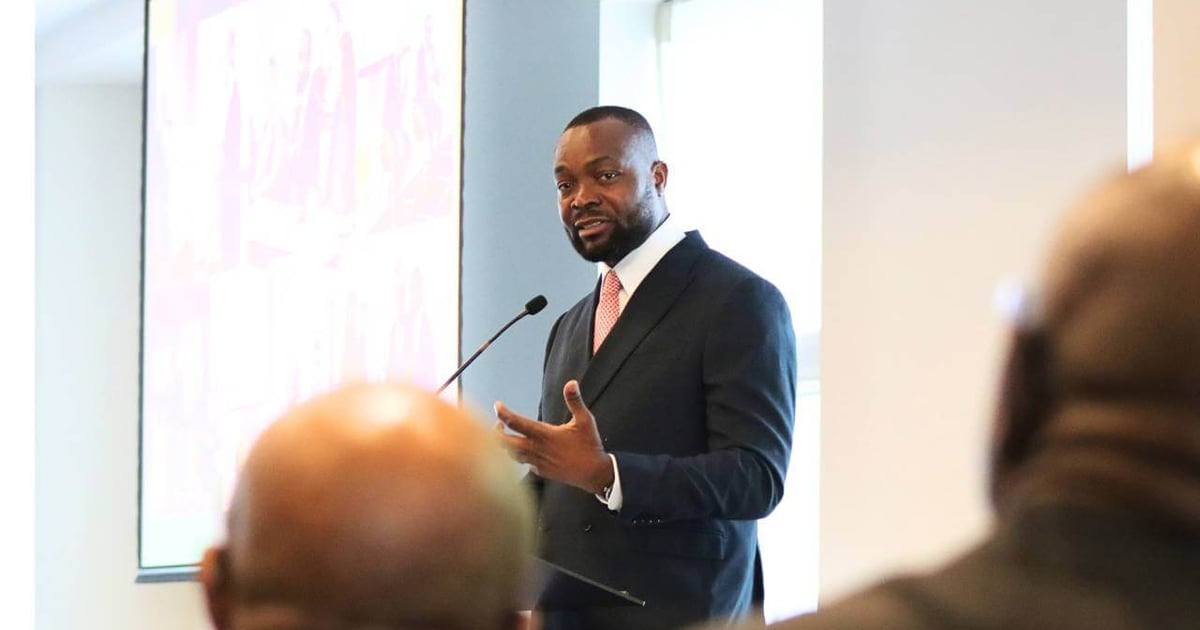
Nigeria's Minister of Communications, Innovation and Digital Economy Bosun Tijani on Monday touted the nation's recent initiatives, including Project Bridge (Building Resilient Digital Infrastructure for Growth), which he said has attracted more investment offers than needed.
He was speaking at an event on the sidelines of the 81st session of the United Nations General Assembly (UNGA) in New York.
Despite the nation's success in attracting US$200 million from institutions such as the African Development Bank Group and $500 million from the World Development Bank Group in April, one telecom executive noted that business in Nigeria must be pursued with integrity.
Sam Darwish, co-founder, chairman and CEO of IHS Towers, said he believes in Project Bridge, noting that there is a significant amount of opportunities in Nigeria, but said business must be done in a "clean way."
"[You must] conduct a business in an ethical manner, and when you do that, you go to all the institutions on Earth who are looking for ways to invest, and they will put money behind it," he told attendees.
Related:Nigeria's Project Bridge moves to implementation phase
Kazeem Oladepo, senior vice president and chief operating officer at IHS Towers Nigeria, believes this too relates to investors seeking to invest in Project Bridge.
"If you're bringing money into the country, you will need certain approvals from the [Securities and Exchange Commission], depending on the sort of money you're bringing in, meaning equity or debt. You need to have a governance-structured framework within the business," he told Connecting Africa.
A May 2025 World Bank report titled "Nigeria: Country Private Sector Diagnostic" cited "corruption, crime and violence" in certain areas of the nation as a reason private sector investment was constrained.
According to Nigeria's communications ministry, Project Bridge aims to deploy "at least 90,000 kilometers of fiber optic cables" in the world's most populous Black nation.
The country also plans for it to serve as a national backbone for universal connectivity coverage.
Oladepo, who is also a key player in the Bridge Project, said that not only will Nigeria benefit, but so will neighboring countries.
"If we find the right partners and we build the infrastructure. There's a huge opportunity to provide significant capacity to landlocked countries that are not today connected to the global Internet at the shores, which is where the submarine cables are," Oladepo told Connecting Africa.
"For a country like Niger, Chad, Burkina Faso and even some parts of Cameroon, and the countries that are connected to them but do not have access to direct fiber connection at the Atlantic [Ocean] shore level, [Project] Bridge [will] facilitate access to those countries," he added.
Related:AfDB approves $200M towards Nigeria's fiber expansion
Sangbu Kim, vice president for digital and AI at the World Bank Group, said Nigeria is in "a very important role to embrace all the neighboring countries."
He expressed the importance of digital infrastructure across the country and said without it, "we cannot find real efficiency and competitiveness within this region."
Sangbu Kim, World Bank Group vice president for digital and AI, speaking at a UNGA side event in New York on September 21, 2026. (Source: Eden Harris)
Kim also said the region needs to build trust with each other, pointing to how geopolitical tension can make it difficult to collaborate, typically on digital infrastructure and data.
In July, the Council on Foreign Relations' Global Conflict Tracker noted that Burkina Faso and Niger, among other countries in the region, have accounted "for over half of global terrorism-related deaths."
Ojoma Ochai, managing director of CcHUB, an African innovation center which supports creative entrepreneurs, believes that Project Bridge will help bring creatives from less connected states in Nigeria to better-connected ones.
"The first thing that will happen is we will see decentralization of production because suddenly a young person in a second or third tier city can create and produce and collaborate with anybody anywhere," Ochai told Connecting Africa.
Related:Minister pitches South Africa as digital infrastructure hub
Ochai, who is also the co-founder of CcHUB's Creative Economy Practice, believes that "it's almost a virtuous cycle that we're creating more. Create more creation, more distribution, more consumption, which fuels even more creation. So, Project Bridges is a massive opportunity for the creative industries."
Strategy&, a company part of the PwC ecosystem, released a report titled "2026 Nigeria Economic Outlook: Turning macroeconomic stability into sustainable growth," highlighting Nigeria's first creative economy assessment of its industry and accomplishments.
According to the report, in the third quarter of 2025, the arts, entertainment and recreation sector contributed 165.1 billion Nigerian naira ($124.6 million) to GDP and was one of the fastest-growing sectors, recording 9.13% year-on-year growth.
The company attribute that growth to booming demand for digital content, rising mobile and Internet penetration, and increased government investment in digital infrastructure, among other factors.
The World Bank estimates Nigeria's fiber-optic infrastructure opportunity could generate as much as $5 billion in tax revenue, creating up to 229,000 jobs.
Tijani told attendees that he wasn't acting like a politician and wasn't pandering to them, and that there are truly meaningful actions taking shape in Nigeria.
"[We are building] so the children coming after us will feel like they are now going to be a part of the future that is imagined," Tijani said.
Related Stories
 Business
Dolly Parton's manager accuses her nephew of threats and intimidation
1 hour ago
 Business
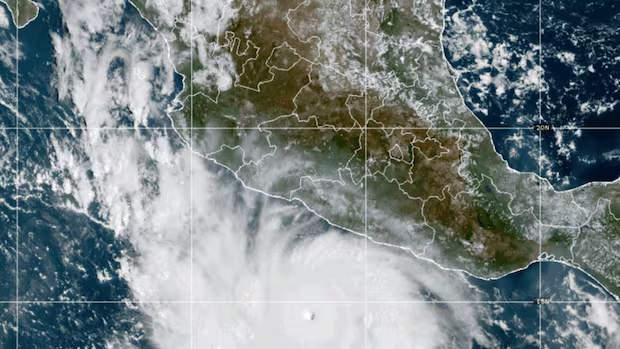
Hurricane Polo in the Pacific Ocean considered 'one of the strongest storms ever'
2 hours ago
 Business
Egypt’s Paymob Raises USD 35 M To Expand Digital Payments Across MENA
2 hours ago
 Business
Startup Networking Toronto: Founders, Investors & Talent Mixer
3 hours ago
 Business
Indian Startup IPO Sprint, Zetwerk
5 hours ago
 Business
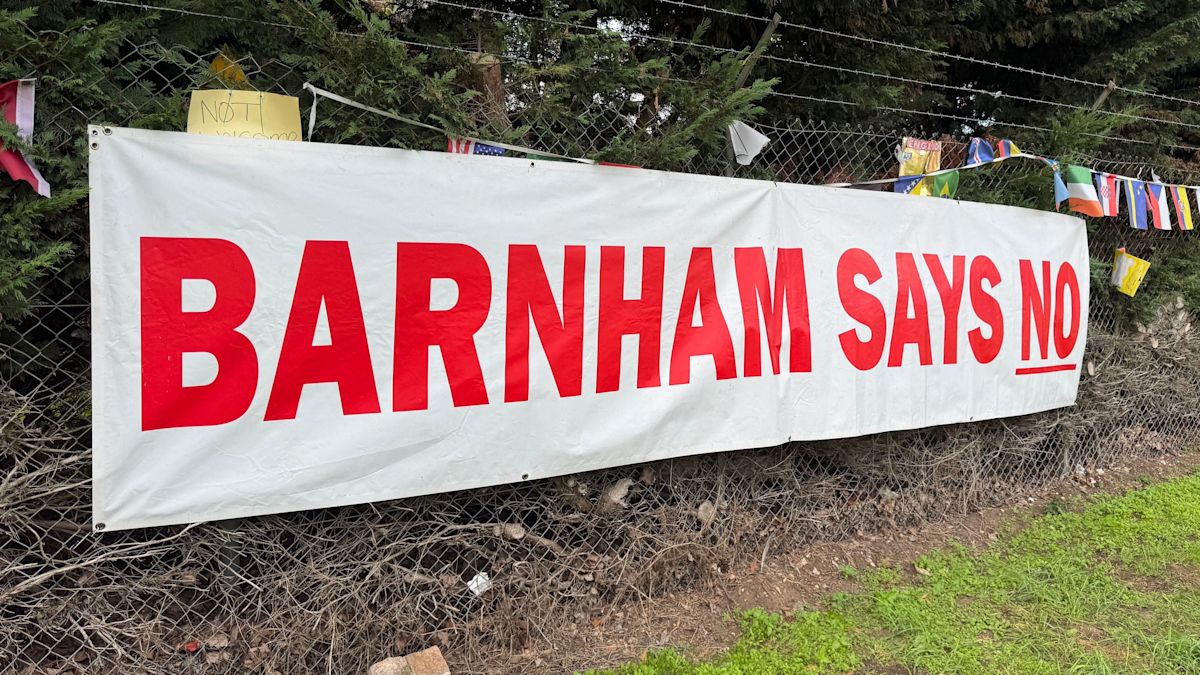
Will another village 'roar' over asylum plans?
8 hours ago
 Business
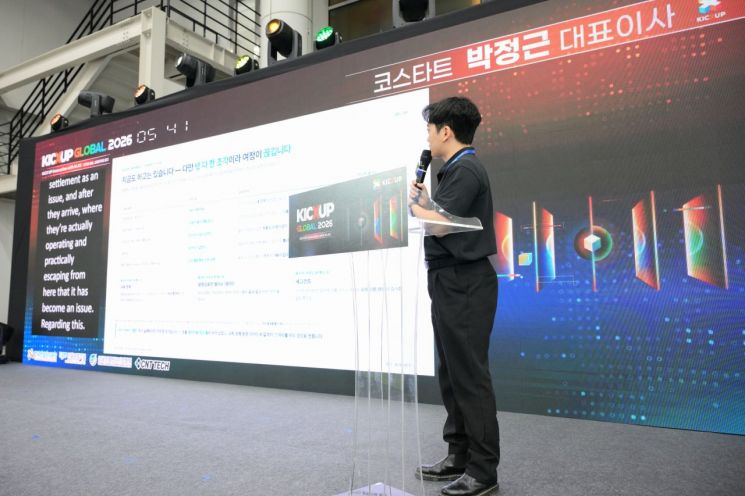
Korea Industrial Complex Corporation Opens Global Business Platform Connecting Exports and Investments
8 hours ago
 Business
‘Everything is a blank sheet of paper’: One marketer on going from big brands to a startup
8 hours ago